Gallery 1 Images
Site Information
About This Site
Halima al-Saadia رضي الله عنها is remembered in Islamic history as the noble woman who cared for the young Prophet Muhammad ﷺ during part of his early childhood. Her name remains deeply loved because it belongs to the quiet, formative years of the Prophet’s...
Historical Significance
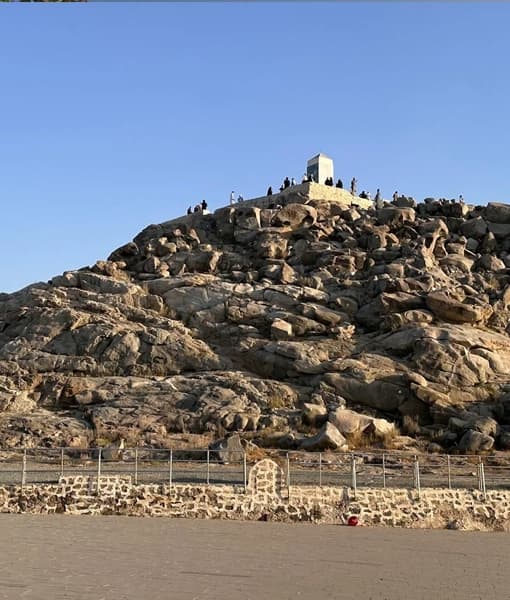
Halima al-Saadia رضي الله عنها is remembered in Islamic history as the noble woman who cared for the young Prophet Muhammad ﷺ during part of his early childhood. Her name remains deeply loved because it belongs to the quiet, formative years of the Prophet’s life, when he was raised in the care of a desert family among Banu Saad. The ruins traditionally linked with her home are visited for that reason. People come not because the site has been proven beyond doubt as her original house, but because local memory has long connected this place with that sacred chapter of the Prophet’s childhood. For many visitors, the site offers a chance to think about the simple world in which that early life unfolded. Today, the place is best understood as a traditional heritage site rather than a fully authenticated archaeological one. That distinction matters. It allows visitors to respect the memory of Halima al-Saadia رضي الله عنها and the early life of Prophet Muhammad ﷺ without claiming more than the evidence can support. Historical Significance Halima al-Saadia رضي الله عنها and the Early Years Halima al-Saadia رضي الله عنها holds a honored place in Muslim memory because she nursed and cared for Prophet Muhammad ﷺ in his childhood. The classical biographical tradition describes how infants of noble lineages were often given to desert families, and the Prophet ﷺ spent part of his early years in that environment. Her role is remembered with affection because it belongs to the earliest human care he received.
- She is known in the sīrah tradition as the Prophet’s foster mother.
- Her name is linked to mercy, patience, and care.
- The Prophet’s childhood among Banu Saad is part of the standard early biography.
- This memory shapes why the site still draws interest today.
Banu Saad and the Desert Setting Banu Saad was a tribal community associated with the desert life of western Arabia. Historical writing places the early childhood of Prophet Muhammad ﷺ in a tribal setting outside the city, where children were raised in a hard but healthy environment. That wider geography is important because it explains why Taif and the surrounding region became attached to later memory about Halima al-Saadia رضي الله عنها.
- Banu Saad is part of the Prophet’s early-life background.
- The area is linked in memory with open desert life, not urban settlement.
- Some historians place the broader tribal territory differently.
- The region around Taif remains central to later local tradition.
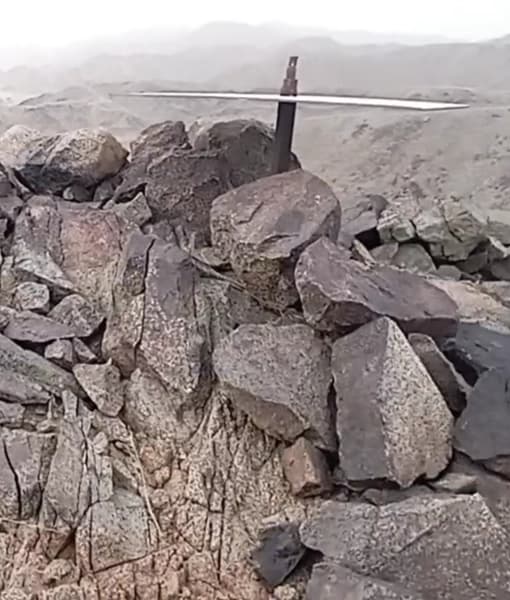
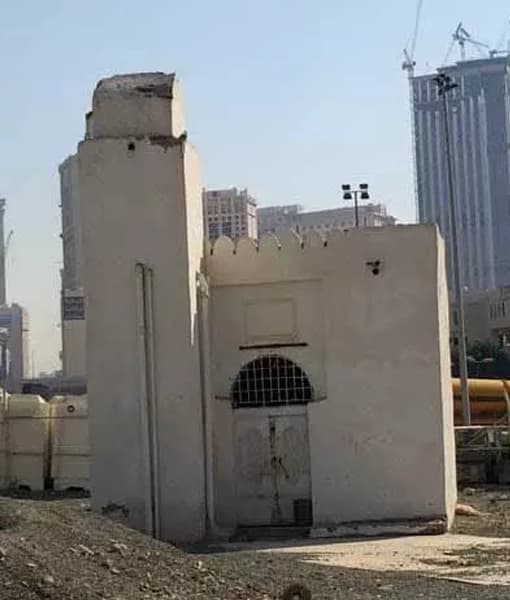
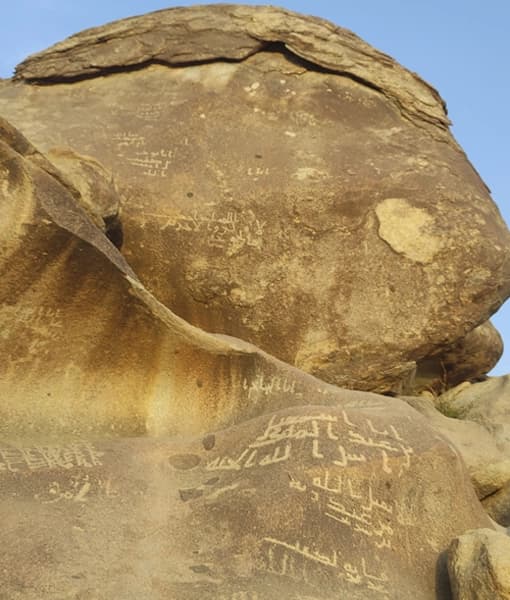
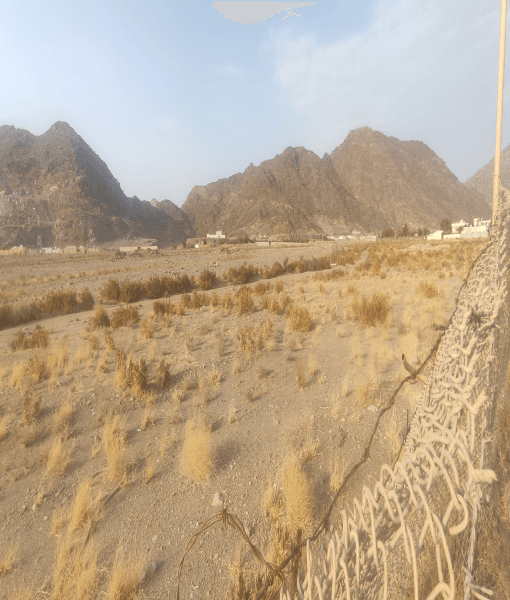
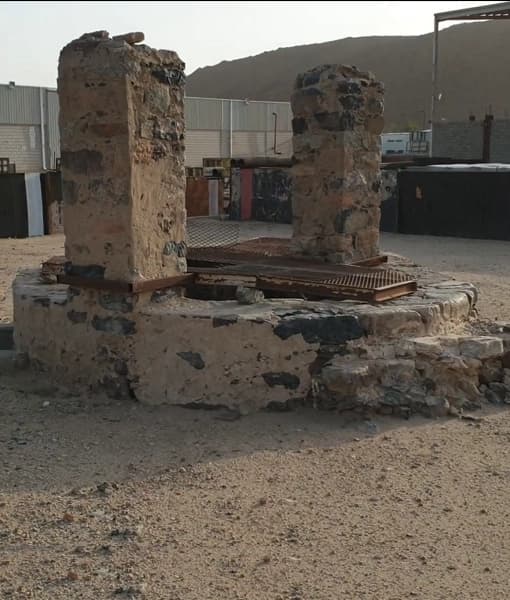
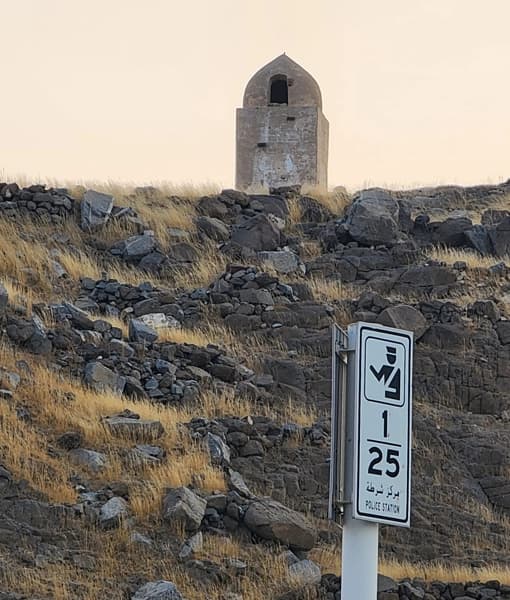
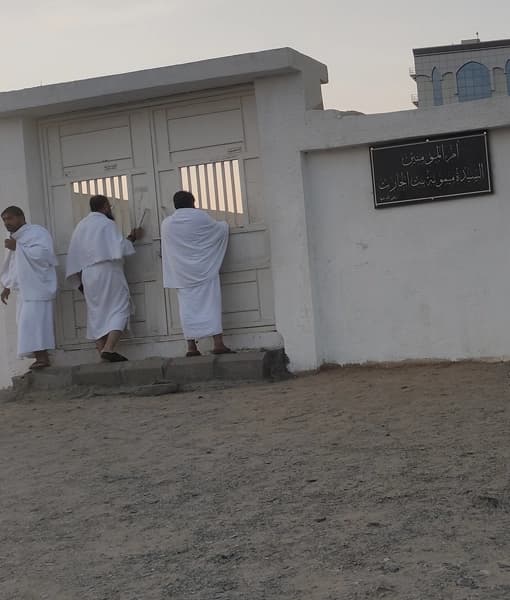
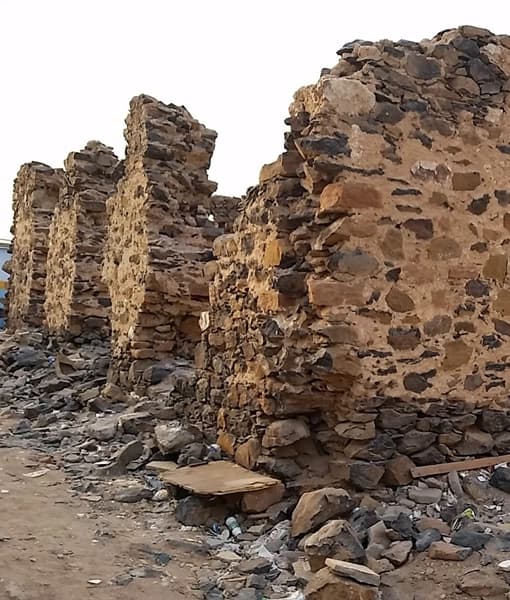
The Ruins and Local Memory Visitors usually come to see the ruins, stones, and modest remains that local tradition associates with Halima al-Saadia’s home or village. The site is presented in tourism language as a place connected with her memory, but the physical remains themselves are not enough to prove a direct historical link. That is why the site should be read as a traditional memorial landscape.
- The ruins are locally associated with Halima al-Saadia رضي الله عنها.
- Tourism language preserves the memory, not absolute proof.
- The remains are modest and should be treated respectfully.
- Local tradition gives the site its emotional and cultural value.
The Historical Debate The identification of this place has been debated by historians and heritage researchers. Some local residents and writers support the traditional link with Halima al-Saadia رضي الله عنهاwhile Saudi heritage researchers have questioned whether the ruins can really be authenticated as her home. Other historical interpretations place the wider Banu Saad territory farther north, toward areas such as Qarn al-Manazil and Aqiq Ashira.
- The traditional identification remains part of local heritage.
- Archaeological proof has not settled the matter.
- Different historical maps of Banu Saad exist.
- Responsible writing should preserve the tradition without overstating certainty.
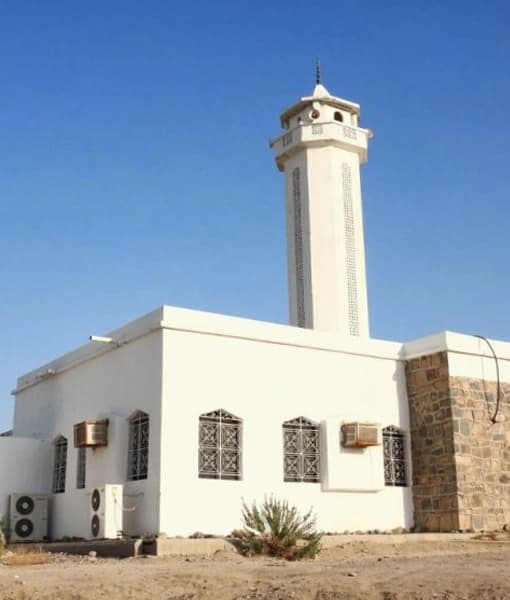
Site Today What Visitors Can See The site today is understood as a modest heritage location rather than a large developed monument. Visitors normally come to see the remains that have been linked with Halima al-Saadia رضي الله عنها in local memory. The value of the visit lies in the story attached to the place, not in grand structures or museum- style displays. Official Heritage Presentation The current tourism framing uses the name "Halima Al-Saadia Village," which helps visitors identify the site in modern travel material. This official presentation gives the place visibility, even though the archaeological identification itself remains debated. For a visitor, that means the site belongs to both living tourism and older historical memory. Preservation and Condition The surviving ruins appear simple and limited. That modest condition is part of the site’s character, but it also means visitors should not expect a fully reconstructed house or a formally restored historic building. The site should be approached as a remembered place, preserved mainly through recognition rather than major physical reconstruction. Visiting with Respect Because the site carries religious and historical memory, visitors should keep their visit quiet and respectful. It is better to come with learning than with certainty, and with gratitude rather than exaggeration. A careful visitor can appreciate both the memory of Halima al-Saadia رضي الله عنها and the limits of what the landscape can prove. Why It Still Matters This site still matters because it keeps alive a tender part of the Prophet Muhammad ﷺs early life. The childhood of the Prophet ﷺ is not a minor detail in Islamic history. It shows how ordinary human care, desert life, and family duty formed part of the story of a future Messenger of Allah ﷺ. It also matters because Halima al-Saadia رضي الله عنها represents a form of love that is quiet but lasting. Her place in Muslim memory is not built on politics or power. It rests on care, trust, and the dignity of a woman who became linked forever with the earliest years of the Prophet’s life. That is why her name is still remembered with respect. For visitors, the site offers a useful lesson. Loving Islamic history does not mean claiming certainty where the evidence is weak. It means honoring the tradition, listening carefully to the historians, and preserving what can be preserved. That balance gives the place its real value in Ziyarat in Taif and in the wider Islamic heritage of Saudi Arabia. Frequently Asked Questions 1. Who was Halima al-Saadia رضي الله عنها? She was the woman traditionally remembered for caring for and nursing the young Prophet Muhammad ﷺ during part of his early childhood. 2. Where is the site traditionally associated with Halima al-Saadia located? It is traditionally associated with the Banu Saad area near Taif, and modern tourism material often refers to it as "Halima Al-Saadia Village." 3. Are the ruins officially proven to be Halima al-Saadia’s original home? No. The ruins are traditionally associated with her, but the archaeological identification is not conclusively proven