Gallery 1 Images

Site Information
About This Site
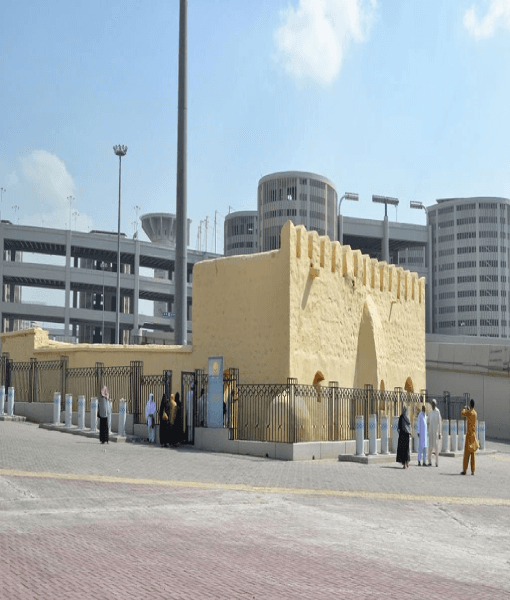
Masjid al-Ijabah is one of the oldest and most remembered mosques in Makkah. Its name, “al-Ijabah,” means “the Answer” or “Acceptance,” and it is tied to a moment when the Prophet Muhammad ﷺ prayed and made a heartfelt supplication that was answered. That...
Historical Significance
Masjid al-Ijabah is one of the oldest and most remembered mosques in Makkah. Its name, “al-Ijabah,” means “the Answer” or “Acceptance,” and it is tied to a moment when the Prophet Muhammad ﷺ prayed and made a heartfelt supplication that was answered. That single event gave the mosque its identity and its lasting place in the memory of pilgrims. The mosque is not only old; it is emotionally significant. It is remembered as a place where the Prophet ﷺ prayed at several key moments, including after the difficult years of the Quraysh boycott, on the day of the Conquest of Makkah, and during the Farewell Hajj. For visitors, this makes the site feel connected to both hardship and relief, to struggle and to victory, all within one small sacred space. In the wider map of Makkah Ziyarat, Masjid al-Ijabah stands as a quiet reminder that Islamic history is carried not only by mountains and valleys, but also by mosques where prayer and supplication were offered with complete trust in Allah. It invites pilgrims to slow down, remember the Seerah, and reflect on the power of sincere dua.
HISTORICAL BACKGROUND
The meaning of “al-Ijabah” The name “Masjid al-Ijabah” comes from the Arabic word “ijabah,” meaning “answer” or “acceptance.” Tradition holds that the Prophet Muhammad ﷺ prayed in this place and asked Allah for three things concerning his Ummah. Two were granted, and one was not. That moment of answered prayer became the defining story of the mosque, and its name has carried that memory ever since. This naming matters because it turns the mosque into a living lesson about dua. It reminds visitors that the Prophet ﷺ cared deeply for his Ummah, that he prayed for their protection, and that Allah responds to sincere supplication in ways that reflect His wisdom. The mosque therefore carries both historical and spiritual weight.
- Its name means “the Mosque of Acceptance.”
- It is linked to a specific supplication of the Prophet ﷺ.
- Two of his requests were granted; one was not.
- The story shapes how pilgrims understand and visit the site.
Prayer in times of hardship and relief Islamic tradition reports that the Prophet Muhammad ﷺ prayed at this location on multiple important occasions. These include the period after the Quraysh boycott, when the Muslims faced severe hardship, and the day of the Conquest of Makkah, when the city entered Islam without bloodshed. He is also reported to have prayed here during the Farewell Hajj, near the end of his life. This range of moments gives the mosque a unique emotional texture. It is connected with pain and patience, but also with relief, gratitude, and closure. For a visitor, that makes Masjid al-Ijabah more than a historic building. It becomes a place where the full arc of the Prophet’s ﷺ struggle and triumph in Makkah can be quietly remembered.
- He is reported to have prayed here after the Quraysh boycott.
- He is also reported to have prayed here on the day of the Conquest.
- He prayed here during the Farewell Hajj as well.
The supplication for the Ummah The most famous report about Masjid al-Ijabah concerns the supplication the Prophet Muhammad ﷺ made for his Ummah. He asked Allah that his community not be destroyed by drought, and that they not be destroyed by drowning. Both of these requests were granted. He also asked that they not be divided, but that request was not granted. This moment is deeply moving because it shows the Prophet’s ﷺ love and concern for his people. It also teaches a sobering lesson: some forms of trial and division would remain part of the Ummah’s story. For pilgrims, standing in or near this mosque can bring that lesson close, in a way that feels personal and real.
- He asked that the Ummah not be destroyed by drought; this was granted.
- He asked that they not be destroyed by drowning; this was also granted.
- The report highlights both mercy and wisdom in Allah’s response.
Careful handling of reports As with many historic sites, the details around Masjid al-Ijabah come through traditional reports and historical memory. Some accounts are widely repeated; others vary in wording or emphasis. It is therefore important to speak about the mosque with respect and care, presenting its stories as reported rather than as absolute, unchallenged fact in every detail. This approach protects both truth and reverence. It allows the mosque to remain meaningful without turning every narration into unquestionable certainty. For Islamic heritage content, that balance is essential.
- Present the mosque’s stories as reported traditions.
- Avoid overstating uncertain details.
- Let the core meaning of the site remain clear.
SITE TODAY
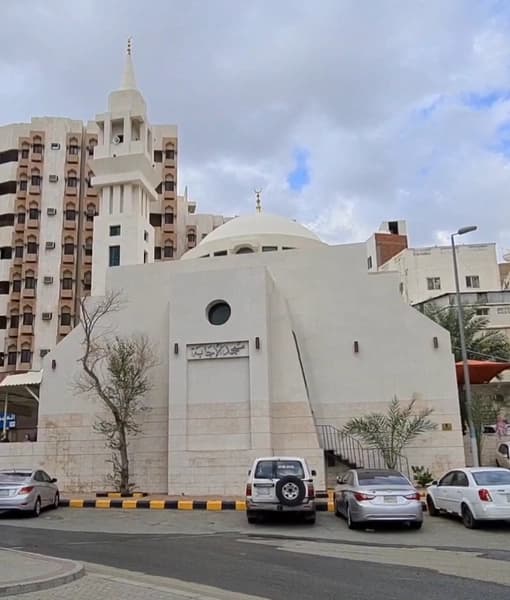
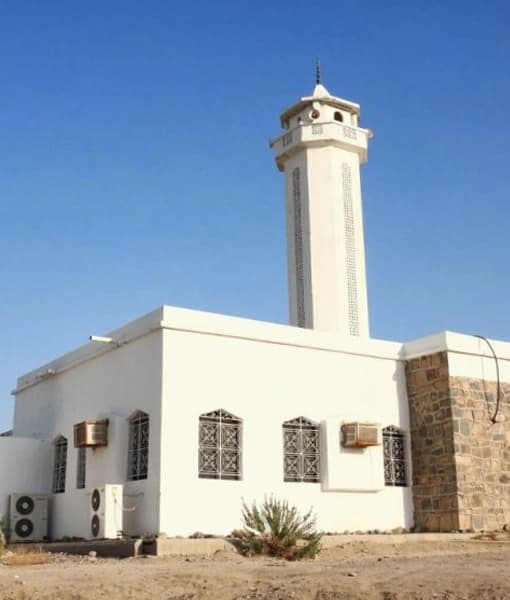
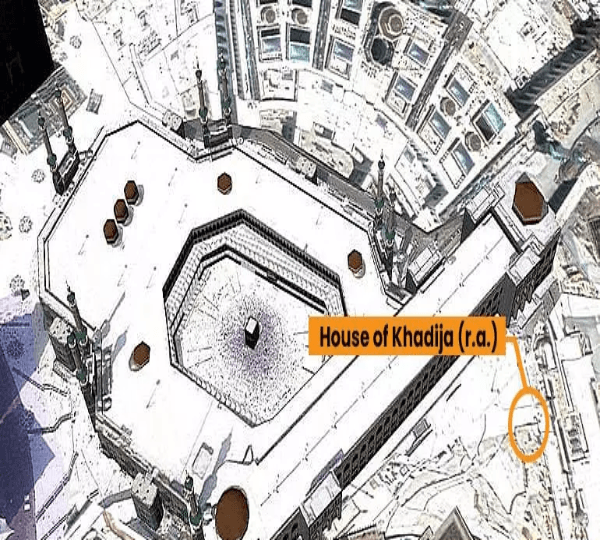
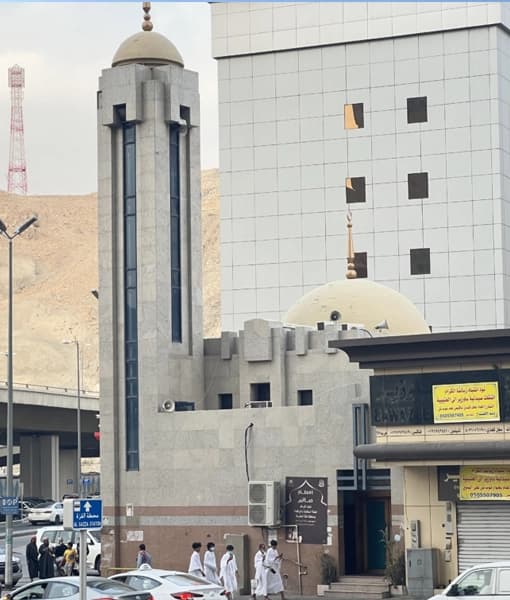
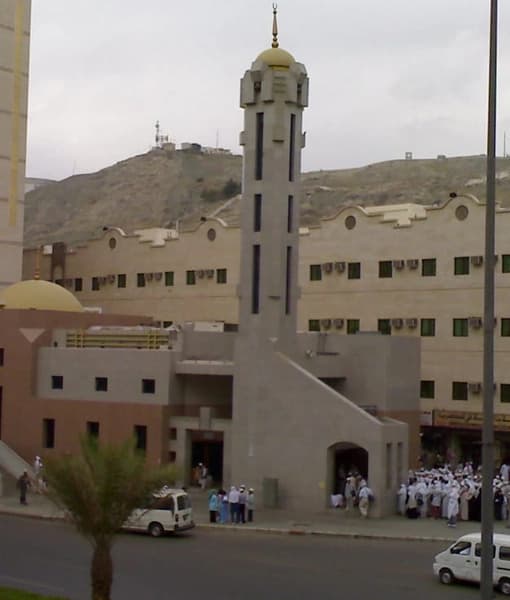
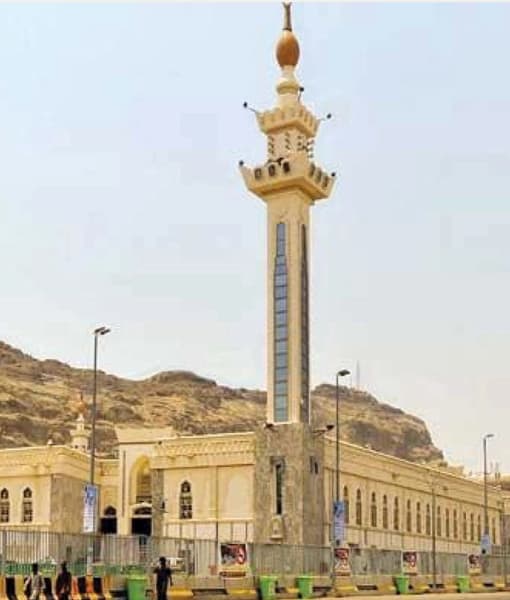
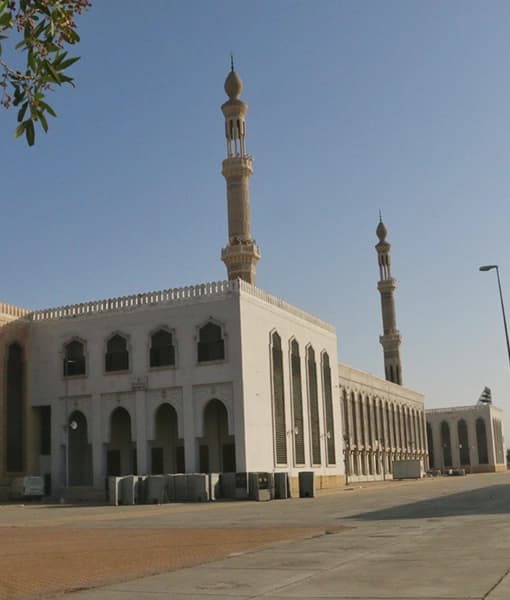
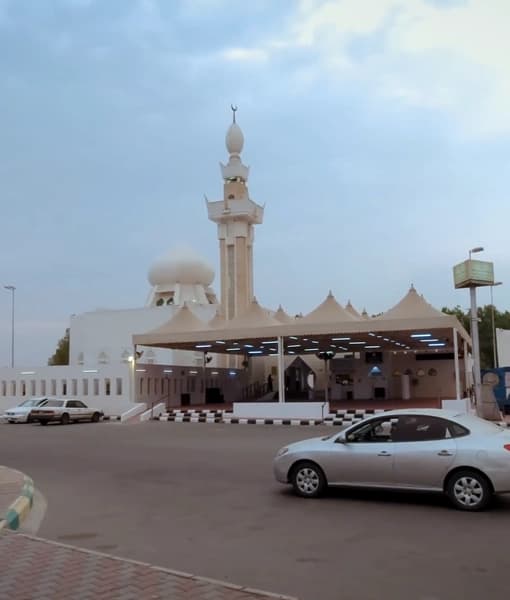
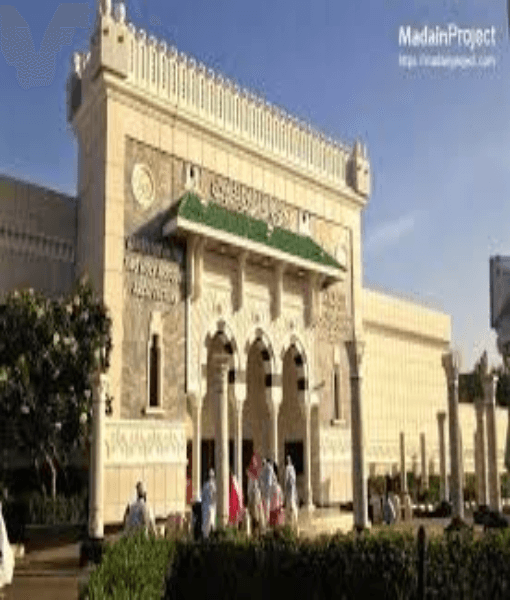
Present-day identity Today, Masjid al-Ijabah is recognized as one of the oldest mosques in Makkah and is often included in Makkah Ziyarat routes. Its present identity blends heritage, worship, and local awareness. For many visitors, it feels like a place where the city’s early Islamic past still remains visible, even within a modern urban setting. Physical setting The mosque is in the Al-Maʿabda neighborhood, close to the central areas of Makkah and not far from the Haram. Visit sources describe it as an established mosque with a clear location and accessible surroundings. This setting helps pilgrims include it in a wider ziyarat journey without difficulty. Visitor experience A visit to Masjid al-Ijabah is usually quiet and reflective. People come to remember the Prophet Muhammad ﷺthink about his supplication for the Ummah, and pray in a place tied to that memory. Because the site is not grand, the visit works best when it is unhurried and focused on sincerity.
WHY IT STILL MATTERS
Masjid al-Ijabah still matters because it brings the Seerah close in a very simple way. It reminds visitors that Islamic history is not only about battles, treaties, or large crowds. It is also about moments of quiet prayer, heartfelt dua, and the Prophet’s ﷺ deep care for his Ummah. For today’s pilgrim, the site teaches that sacred memory can live in small mosques. A building can carry more than bricks. It can carry a supplication, a hope, and a lesson that continues to speak to every generation of Muslims.
FREQUENTLY ASKED QUESTIONS
What is Masjid al-Ijabah? It is one of the oldest mosques in Makkah, located in the Al-Maʿabda neighborhood, remembered for a supplication of the Prophet Muhammad ﷺ that was answered. Why is Masjid al-Ijabah important? It is associated with the Prophet’s ﷺ prayer for his Ummah, and with key moments such as the Conquest of Makkah and the Farewell Hajj. Can visitors go there? Yes, it functions as an active mosque and is often included in Makkah Ziyarat, though exact official timings are not consistently published.