Gallery 1 Images

Site Information
About This Site
Historical Significance A Father’s Obedience, a Son’s Surrender
Historical Significance
Historical Significance
A Father’s Obedience, a Son’s Surrender The story begins long before Mina became the “City of Tents.” Prophet Ibrahim (AS), after years of waiting and supplication, was blessed with a son, Ismail (AS). According to the Qur’an, Ibrahim (AS) then saw in a dream that he was commanded to sacrifice his son. In Surah As-Saffat, Allah recounts: “He said, ‘O my son, indeed I have seen in a dream that I [must] sacrifice you, so see what you think.’ He said, ‘O my father, do as you are commanded. You will find me, if Allah wills, of the steadfast.’” (Qur’an 37:102) This exchange captures the heart of the event: a father’s heavy obedience, and a son’s calm surrender. The Moment the Knife Was Stayed As Ibrahim (AS) prepared to carry out the command, Allah intervened. The Qur’an continues: “And We called to him, ‘O Ibrahim, you have fulfilled the vision.’ Indeed, We thus reward the doers of good… And We ransomed him with a great sacrifice.” (Qur’an 37:104–107) Islamic tradition understands this “great sacrifice” as a ram (a male sheep) sent by Allah to take the place of Ismail (AS). In an instant, the deepest test of faith became a lasting symbol of divine mercy. This is the core of what “Masjid al-Kabsh” commemorates: not a building, but the moment when a knife was stayed, a life was spared, and a pattern of sacrifice was established for generations to come. How a Valley Kept the Name of a Ram (Male Sheep) Later historical and local accounts in Makkah identify a specific area in Mina, between the Large and Middle Jamarat, as the spot where the ram (male sheep) appeared or was sacrificed. The name “Majra al-Kabsh” literally means “the place where the ram was brought” or “the path of the ram.” Some historical sources report that a mosque was later constructed at this location to mark the event. One commonly cited account attributes this to a pious woman from the early generations, though details vary and the exact identity is not uniformly agreed upon. What is consistent is the memory: a structure once stood here, named for the ram, and the area retained the name even after the building disappeared. From One Valley to Every Muslim Home What happened on this ground did not remain a distant story. It became a ritual lived by millions. During Hajj, pilgrims:
- Sacrifice an animal in Mina, directly echoing Ibrahim’s (AS) obedience and Allah’s mercy.
- Distribute the meat to the poor and needy, extending the spirit of generosity born from that ancient moment.
Beyond Hajj, Muslims around the world perform Qurbani on Eid al-Adha, re-enacting the same act of submission and sharing. Every year, the same story is renewed in countless homes and communities, linking a single valley in Makkah to the faith of entire continents. What History Confirms, and What Remains Traditional Classical historians and scholars of Makkah’s topography mention “Majra al-Kabsh” and the associated mosque in their descriptions of Mina’s landmarks. However:
- The exact spot is known primarily through traditional identification, not modern archaeological proof.
- Details about who built the mosque and when differ between sources.
- No original structure survives today; the site is remembered through name and narrative.
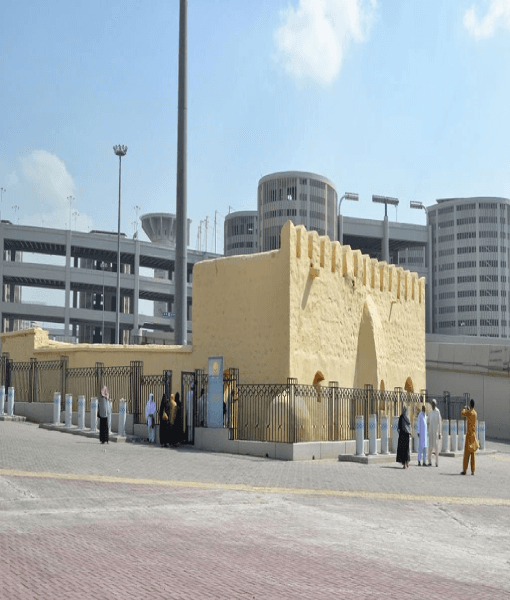
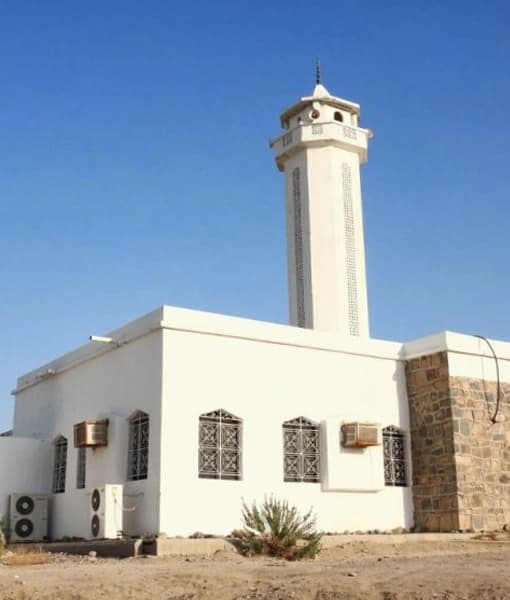
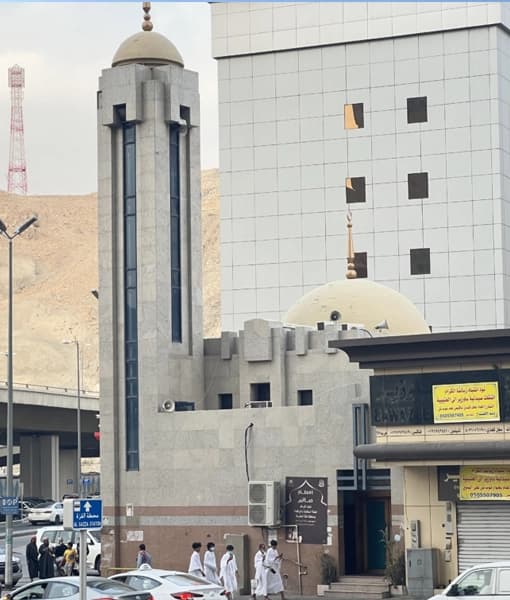
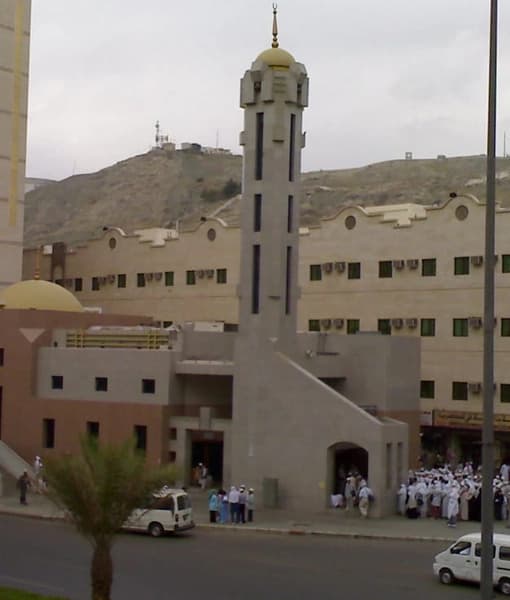
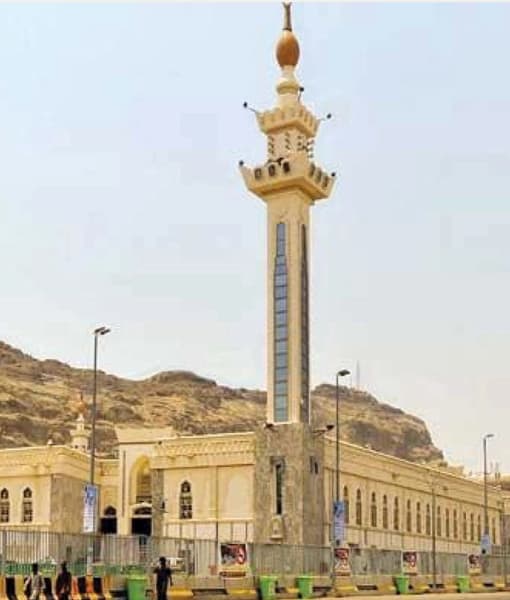
These limitations do not erase the site’s significance. They simply require honesty: this is a place of memory and tradition, anchored in Qur’anic narrative and sustained by centuries of pilgrimage, rather than a site with visible ancient ruins. The Site Today What Stands Here Now A visitor in Mina will not find a mosque called “Masjid al-Kabsh” standing today. There is no dome, no minaret, no clear boundary marking the exact spot. What remains is:
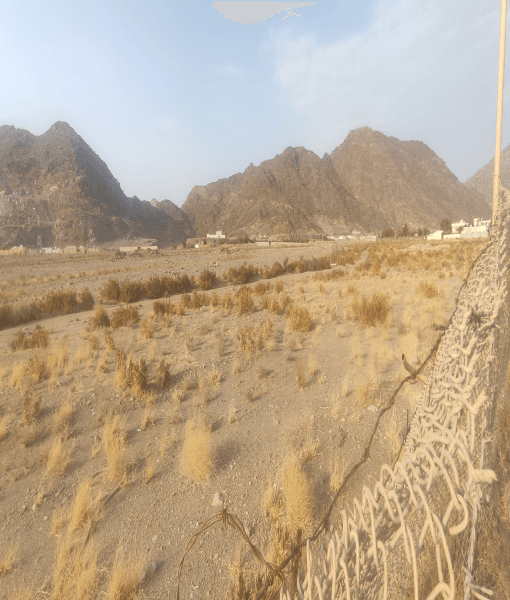
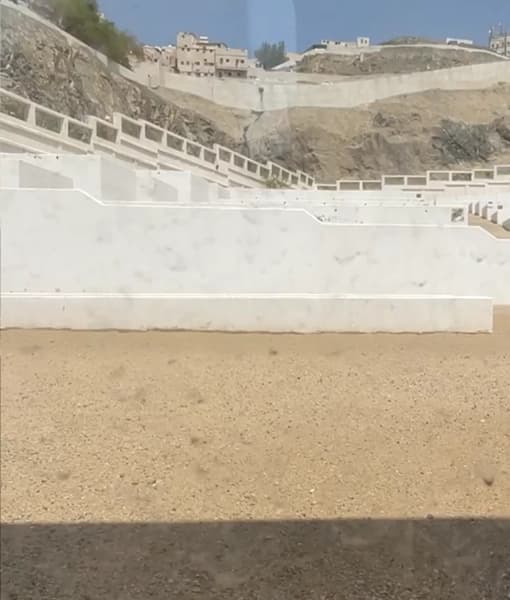
- An open area within the Mina valley.
- The enduring name “Majra al-Kabsh” used in classical and local descriptions.
- The proximity to the Jamarat, where pilgrims already focus their attention during the stoning ritual.
What Has Changed Over Time Modern development in Mina, including the Jamarat Bridge and extensive pilgrim infrastructure, has transformed the landscape. Any earlier small mosque or marker at this location has not survived as a distinct, accessible monument. Pilgrims should understand that they are walking through a historically significant zone, not visiting a preserved building. The emotional weight of the place comes from understanding its story, not from seeing an original structure. What a Pilgrim Can Actually Do Here Important points for visitors and pilgrims:
- What remains: The open ground and the traditional name “Majra al-Kabsh.”
- What has disappeared: Any original mosque or physical marker from earlier centuries.
- Access: The area is part of the Mina valley, accessible mainly during Hajj; outside the season, entry to Mina is restricted by Saudi authorities.
Why Pilgrims Still Remember This Place Masjid al-Kabsh remains meaningful because it is inseparable from the story of the Farewell Pilgrimage of Ibrahim (AS) and the completion of that test with mercy. For those performing Hajj, passing through “Majra al-Kabsh” evokes:
- The memory of Ibrahim’s (AS) willingness to give up what he loved most for Allah.
- The relief and gratitude when Allah provided the ram (male sheep) in place of Ismail
(AS).
- The connection with generations of Muslims who have re-enacted this obedience in
Mina and beyond. Frequently Asked Questions What is Masjid al-Kabsh and why is it important? Masjid al-Kabsh is the traditional name for a site in Mina linked to the moment Allah sent a ram (male sheep) to replace Ismail (AS) in Prophet Ibrahim’s (AS) sacrifice. It is central to the story behind Qurbani and Eid al-Adha. Where exactly is “Majra al-Kabsh” located in Mina? It is the area in Mina between the Large (Jamrat al-Aqabah) and Middle Jamarat, along the pilgrims’ route during the stoning ritual. Is there a mosque or structure to visit at this site today? No. A mosque is mentioned in historical sources, but nothing remains today; the site is remembered only by name and tradition.