Gallery 1 Images

Site Information
About This Site
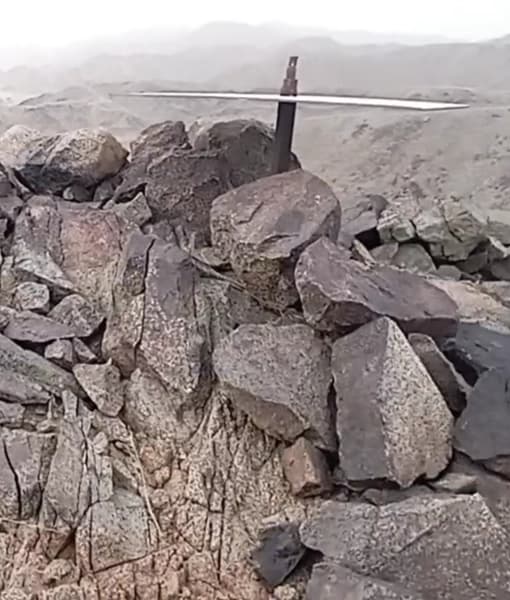
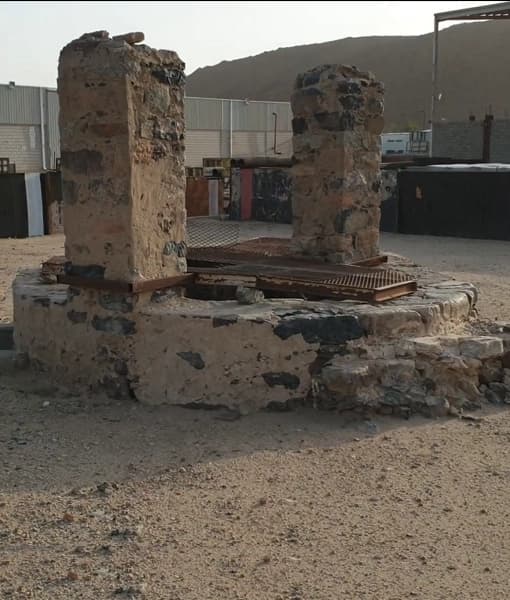
Bir Tuwaa is one of those quiet yet deeply meaningful places in Makkah. It is not a grand monument, and it does not draw the same crowds as the major landmarks near the Haram. Yet for pilgrims who care about Islamic history, this well carries a special...
Historical Significance
Bir Tuwaa is one of those quiet yet deeply meaningful places in Makkah. It is not a grand monument, and it does not draw the same crowds as the major landmarks near the Haram. Yet for pilgrims who care about Islamic history, this well carries a special weight. It is remembered as a place where the Prophet Muhammad ﷺ paused, rested, and prepared himself before entering Makkah at key moments in his life. The well belongs to the Valley of Tuwaa, an area that has long been associated with arrival, preparation, and reverence. In the story of the Conquest of Makkah and the Farewell Hajj, this ground became part of a sacred rhythm: camp for the night, purify with water, pray, and then enter the city with humility. That pattern is what makes Bir Tuwaa more than just a historic well. It is a place where intention and purity met before a major moment in Islamic history. For visitors today, Bir Tuwaa offers a different kind of reflection from the busy routes around the Haram. It invites a slower, quieter kind of remembrance. It reminds pilgrims that the Seerah is not only about great public events, but also about the careful, human details of how the Prophet Muhammad ﷺ approached sacred moments with patience, purity, and trust in Allah.
HISTORICAL BACKGROUND
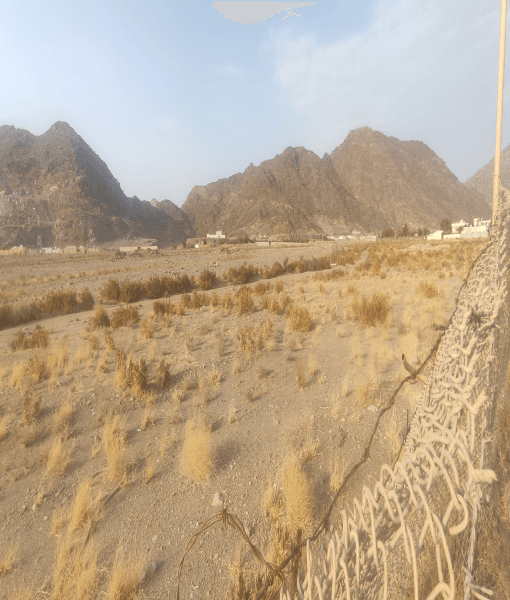
The Valley of Tuwaa and Jarwal Bir Tuwaa sits in the historic Valley of Tuwaa, known in later sources as Dhi Tuwaa, in the area now called Jarwal. This valley was outside the main city of Makkah in the time of the Prophet Muhammad ﷺand it became a natural place for travelers and pilgrims to stop before entering the city. Over time, as Makkah expanded, the area became part of the urban landscape, but its older identity remains in memory.
- It is located in the Valley of Tuwaa (Dhi Tuwaa).
- The area is now part of the Jarwal district of Makkah.
- It served as a stopping point before entering the city.
- Its identity blends geography, travel, and reverence.
The Prophet’s ﷺ stay before the Conquest One of the most important reasons Bir Tuwaa is remembered is its connection with the Conquest of Makkah. Historical reports state that the Prophet Muhammad ﷺ camped in the Valley of Tuwaa before entering the city in that decisive moment. He spent the night there, and in the morning he purified himself with water from the well, prayed, and then moved forward into Makkah. This moment matters because it shows how the Prophet ﷺ approached even victory with humility and preparation. The Conquest could have been entered in many ways, but he chose a path marked by prayer, purity, and calm intention. Bir Tuwaa belongs to that memory, and that is why it remains meaningful for pilgrims who reflect on the Seerah.
- The Prophet ﷺ camped here before the Conquest of Makkah.
- He spent the night in the valley and purified himself in the morning.
- He prayed near the well before entering the city.
- The site is tied to a turning point in Islamic history.
The Farewell Hajj and later practice Bir Tuwaa is also connected with the Farewell Hajj. Reports mention that before entering Makkah for this final pilgrimage, the Prophet Muhammad ﷺ again stopped in the Tuwaa area and spent the night there. This repeated pattern gave the place a lasting place in the memory of pilgrims. Later generations, including some of the Companions رضي الله عنهمare reported to have followed a similar practice when possible.
- The Prophet ﷺ is reported to have stopped here before the Farewell Hajj.
- The site became part of a broader practice of preparation.
- Some Companions رضي الله عنهم are reported to have followed a similar pattern.
- It links the Conquest and the Farewell Hajj in one sacred memory.
Careful wording and historical respect Because Bir Tuwaa is known mainly through historical and traditional reports, careful language is important. It is best to describe its connections with the Prophet Muhammad ﷺ as reported and remembered, rather than as absolutely proven in every detail. This does not reduce the site’s importance. It simply keeps the writing honest and respectful. In Islamic heritage content, this balance is essential. Visitors deserve truth, and sacred places deserve dignity. Bir Tuwaa can be written about warmly without turning every report into absolute certainty.
- Keep a clear line between report and confirmed fact.
- Avoid overstating uncertain details.
- Preserve the site’s dignity through accuracy.
- Respect tradition while maintaining historical care.
SITE TODAY
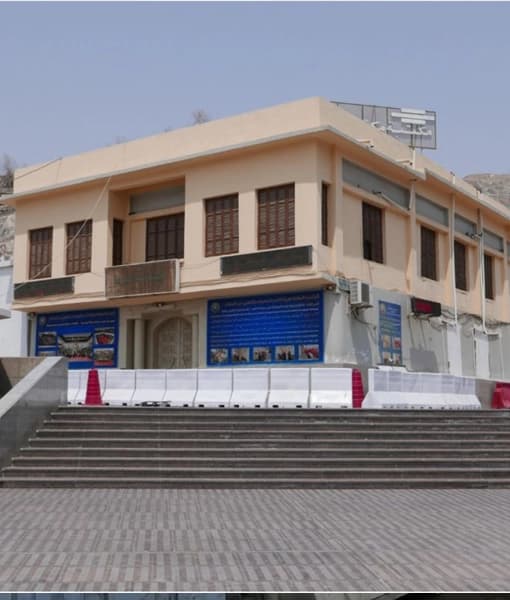
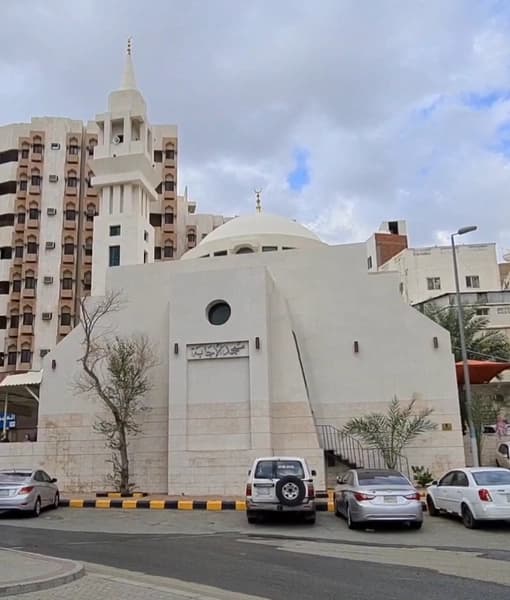
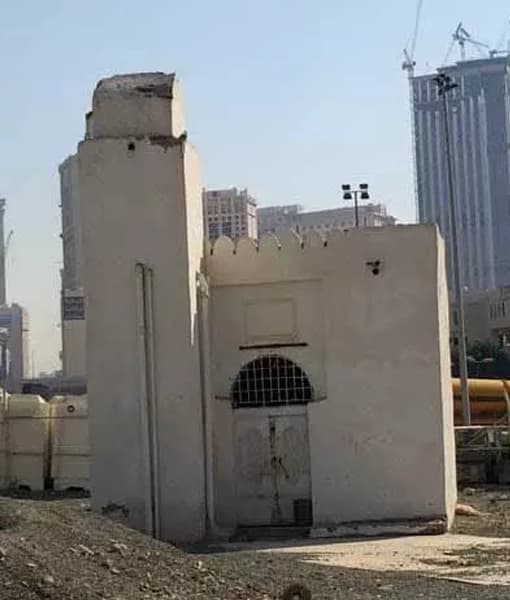
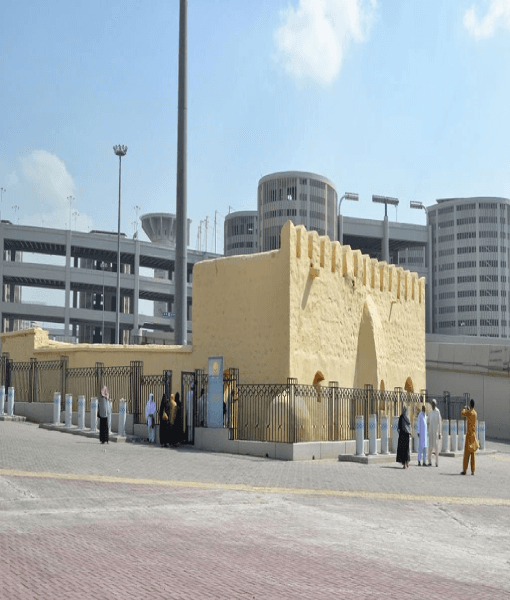
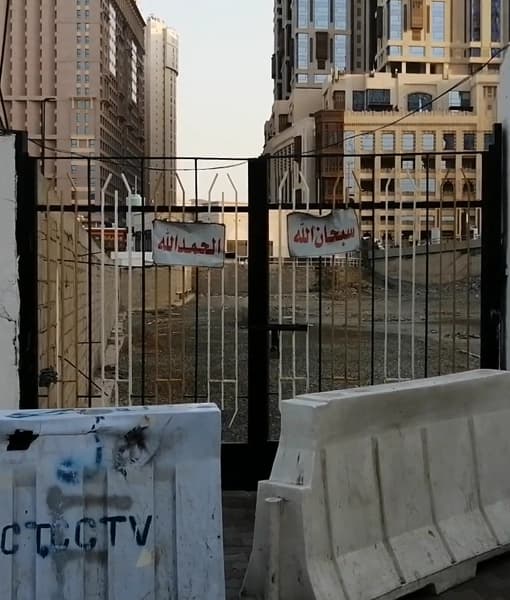
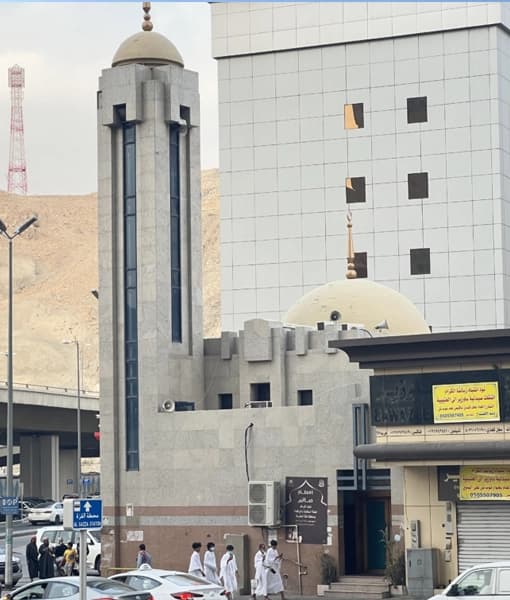
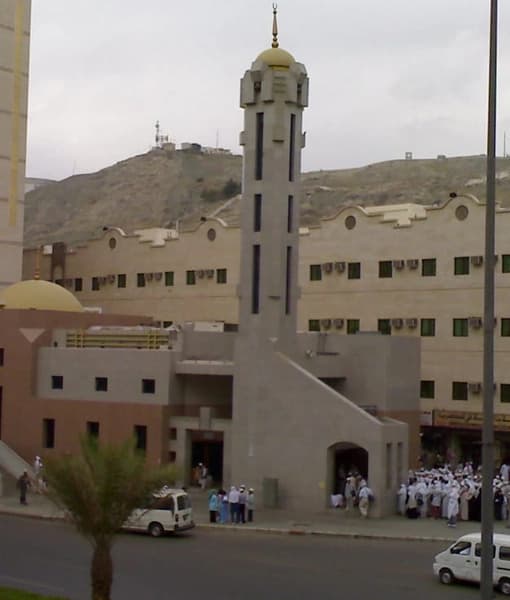
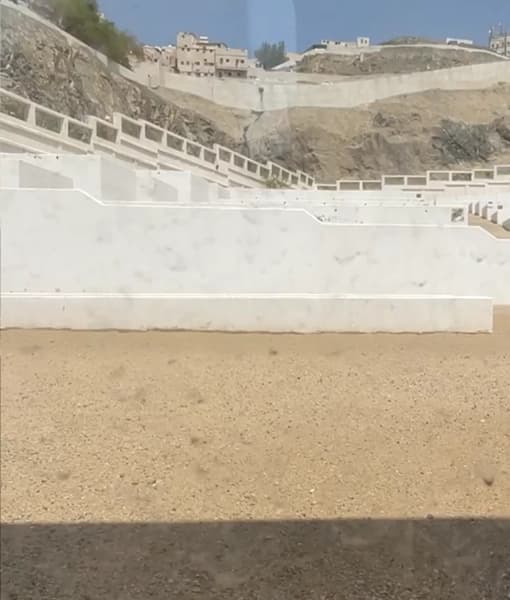
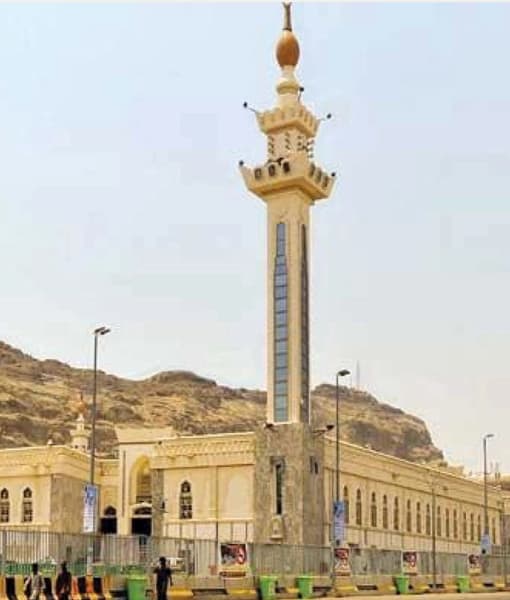
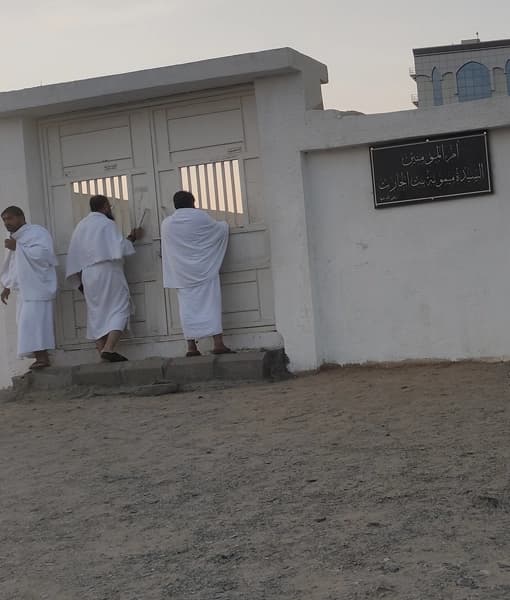
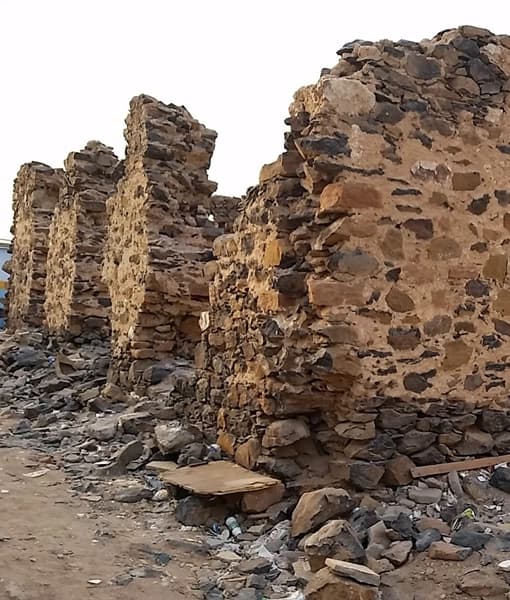
Present-day identity Today, Bir Tuwaa is recognized as a historic well in Makkah and is often included in discussions of Makkah Ziyarat. Its present identity combines heritage, memory, and local awareness. For many visitors, it feels like a place where the city’s spiritual past still remains visible, even within a modern urban setting. Physical setting The well is in the Jarwal area, near residential streets and main roads that lead toward the central zones of Makkah. Visit sources describe it as an accessible site, sometimes with protective structures around it. This practical setting helps visitors experience the well as part of the real city, not as a distant monument cut off from daily life. Visitor experience A visit to Bir Tuwaa is usually quiet and reflective. People come to remember the Prophet Muhammad ﷺthink about his arrival in Makkah at key moments, and see a place that belongs to the deeper memory of the city. Because the site is not grand, the visit works best when it is unhurried and respectful. Respectful conduct As with other sacred heritage sites, visitors should keep a calm tone, avoid crowding, and treat the well as a place of remembrance. Modesty and silence fit the character of the site. A gentle visit helps preserve the atmosphere that makes the place meaningful.
WHY IT STILL MATTERS
Bir Tuwaa still matters because it brings the Seerah close in a very simple way. It reminds visitors that Islamic history is not only about battles, treaties, or large crowds. It is also about nights of rest, moments of prayer, and the quiet preparation before entering a sacred city. For today’s pilgrim, the site teaches that sacred memory can live in ordinary places. A well can carry more than water. It can carry intention, humility, and the weight of a journey that changed the course of Islamic history.
FREQUENTLY ASKED QUESTIONS
What is Bir Tuwaa? It is a historic well in the Jarwal area of Makkah, in the Valley of Tuwaa, remembered for its connection with the Prophet Muhammad ﷺ. Why is Bir Tuwaa important? It is associated with the Prophet’s ﷺ stay before the Conquest of Makkah and his preparation before entering the city, including for the Farewell Hajj. Can visitors go there? Visit sources describe it as an open site, though exact official timings are not consistently published