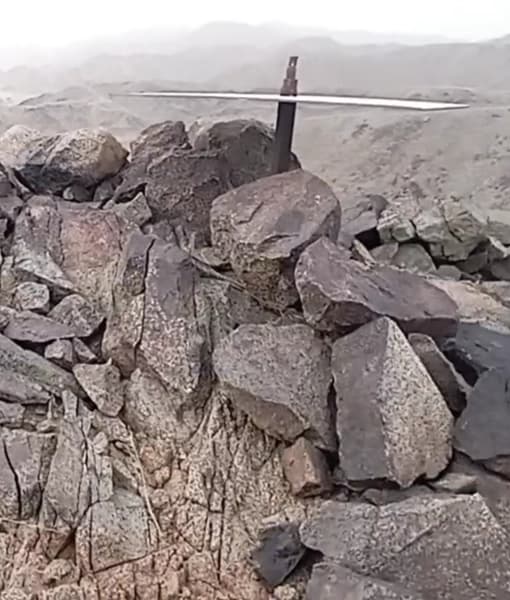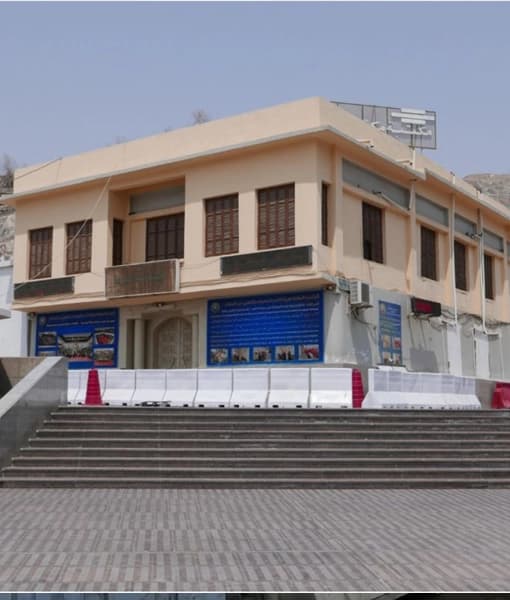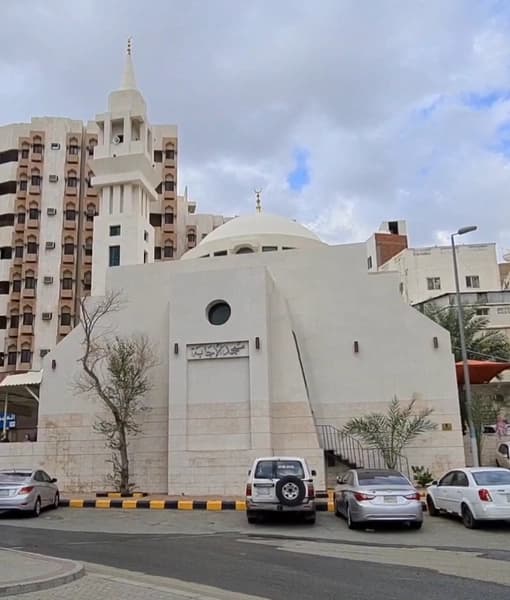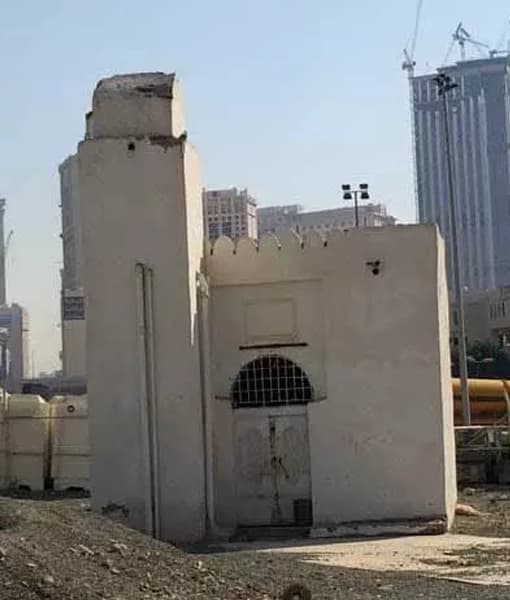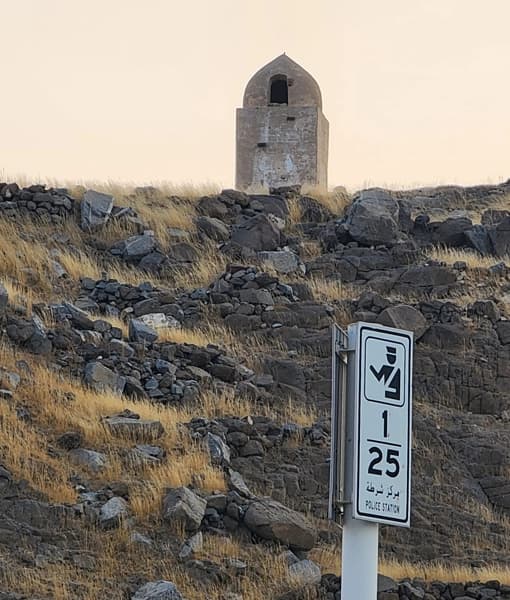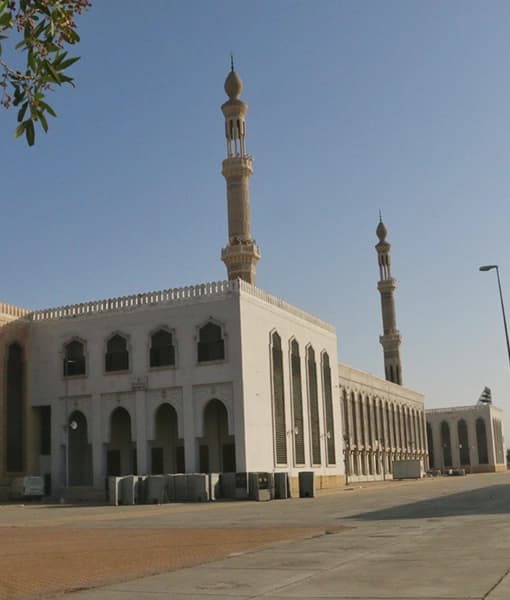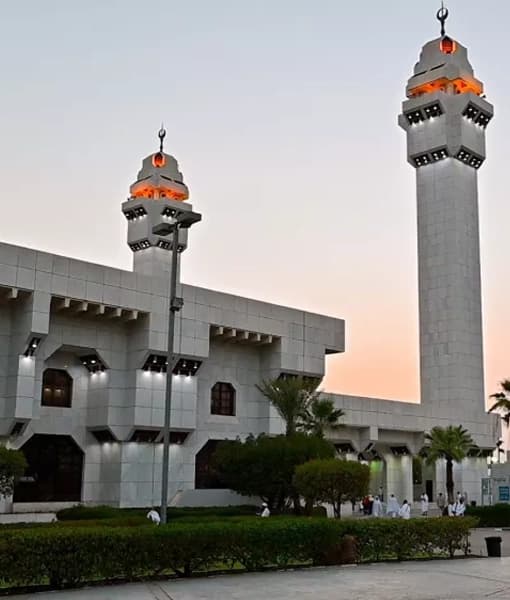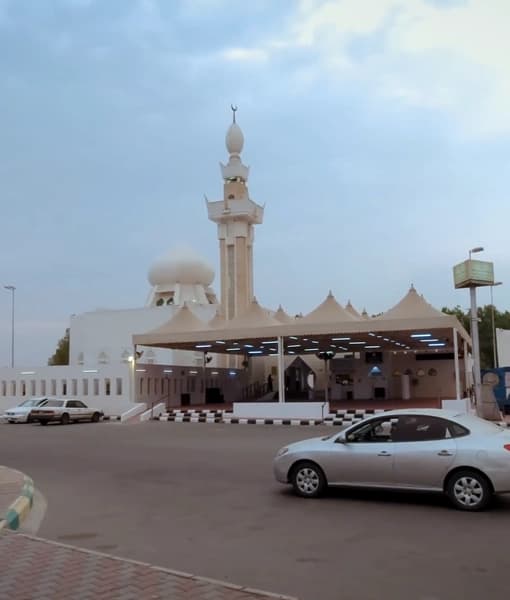
Gallery 1 Images

Site Information
About This Site
Historical Significance The Battle of Hunayn and Its Aftermath The story of Masjid al-Ji'ranah begins with the Battle of Hunayn, which took place in 8 AH (630 CE), shortly after the "Conquest of Makkah". The Muslim army, led by the Messenger of Allah ﷺfaced...
Historical Significance
Historical Significance
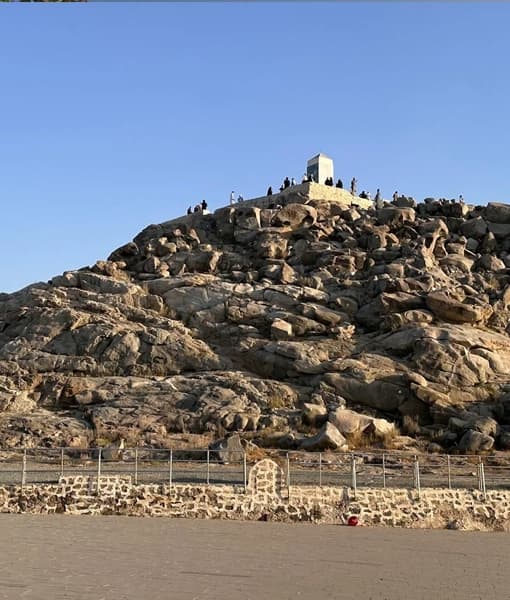
The Battle of Hunayn and Its Aftermath The story of Masjid al-Ji'ranah begins with the Battle of Hunayn, which took place in 8 AH (630 CE), shortly after the "Conquest of Makkah". The Muslim army, led by the Messenger of Allah ﷺfaced the tribes of Hawazin and Thaqif in a valley near Makkah. The battle tested the faith and discipline of the believers, especially when some became overly confident due to their large numbers. Key points about Hunayn:
- The initial Muslim advance faced difficulty, and some companions (RA) were shaken.
- The Prophet ﷺ remained steadfast, calling upon Allah and encouraging his followers.
- The aftermath involved the handling of war spoils and the reconciliation of newly converted tribes.
The Prophet's ﷺ Entry into Ihram at Ji'ranah After the Battle of Hunayn, the Prophet Muhammad ﷺ distributed spoils at a place known as al-Ji'ranah. Historical accounts indicate that he later assumed Ihram for Umrah from this location. This act transformed al-Ji'ranah from a temporary campsite into a spiritually significant Miqat. Important aspects of this event:
- The Prophet ﷺ entered Ihram at al-Ji'ranah after returning from Hunayn.
- This established the site as a recognised point for assuming the sacred state of Ihram.
- The event is closely tied to the broader narrative of the Prophet's ﷺ final years and his continued devotion to worship.
Ji'ranah as a Miqat Point In Islamic law, a Miqat is a designated boundary where pilgrims must enter Ihram before proceeding to Makkah for Hajj or Umrah. Masjid al-Ji'ranah is one of the five well-known Miqat points associated with the Prophet ﷺalongside Dhu al-Hulayfah (for Madinah), Juhfah (for routes from the northwest), Yalamlam (for routes from the south), and Qarn al- Manazil (for routes from the east, including Ta'if). Masjid al-Ji'ranah serves particularly:
- Residents of Makkah who wish to perform Umrah and must exit the Haram boundary to enter Ihram.
- Pilgrims travelling from certain eastern or northeastern routes who pass through this area.
- Those performing Ziyarat in Makkah and seeking to connect with the Prophetic practice of assuming Ihram at a recognised Miqat.
Distribution of Spoils and Community Reconciliation Al-Ji'ranah is also remembered as the place where the spoils of Hunayn were gathered and distributed. This process was delicate, as it involved newly converted tribes and the need to strengthen their faith and loyalty to the Muslim community. Historical notes:
- The Prophet ﷺ oversaw the distribution with wisdom and fairness.
- Some companions (RA) initially felt concerned about the allocations, but the
Prophet's ﷺ approach aimed at long-term unity.
- The event contributed to the consolidation of Islam in the region and the integration of various tribes into the Muslim polity.
Connection with the Wider History of Makkah Masjid al-Ji'ranah is part of the network of sites that define the sacred geography of Makkah. It connects with:
- The routes used by the Prophet ﷺ and his companions (RA) for battles, migrations, and pilgrimages.
- Other Miqat points that structure the ritual journey of Hajj and Umrah.
- The broader narrative of how Makkah evolved from a persecuted community's home into the centre of the Islamic world.
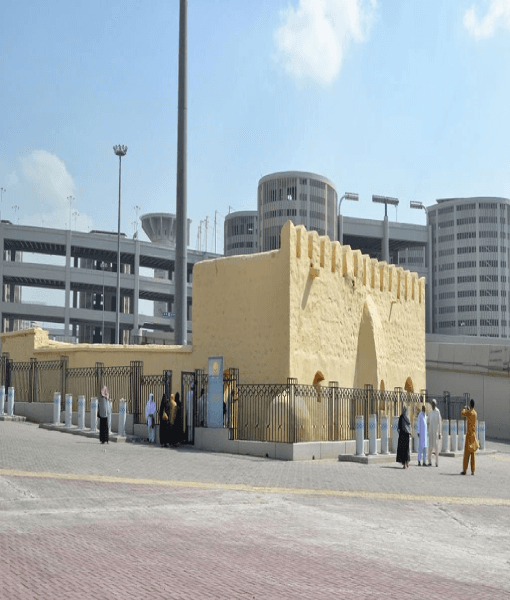
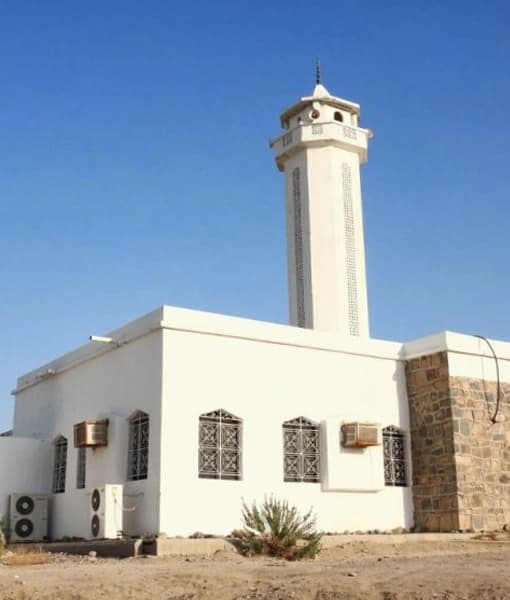
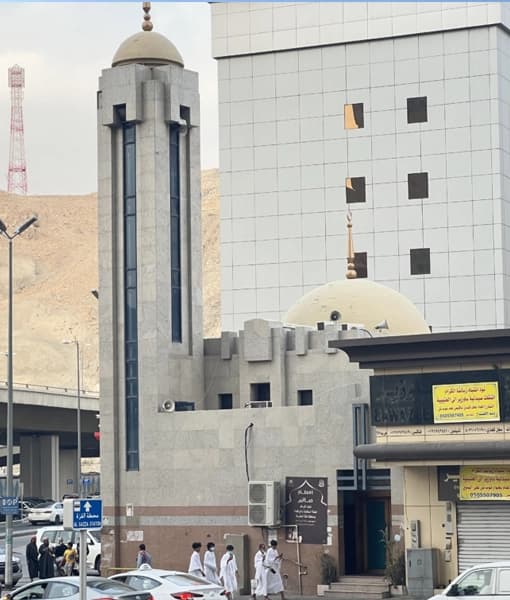
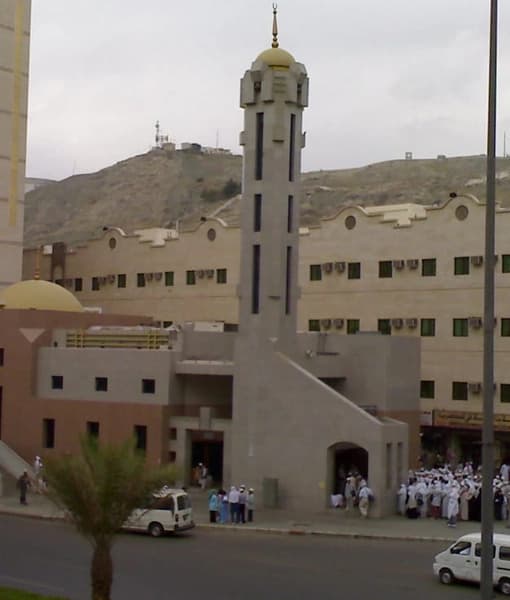
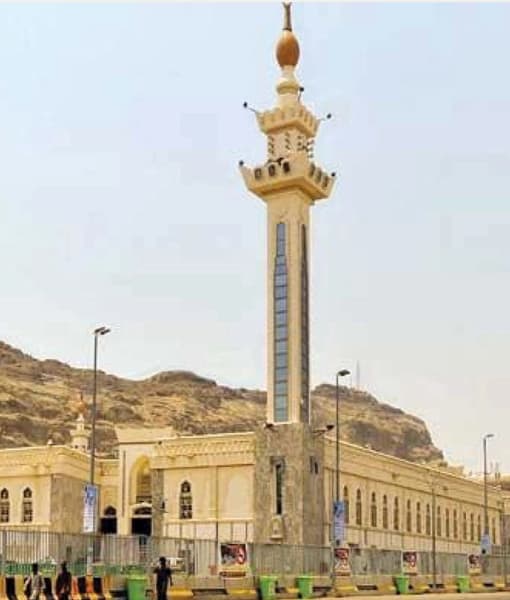
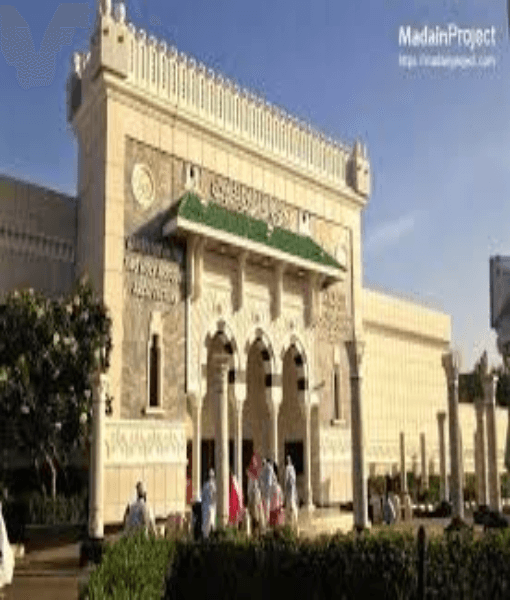
A Miqat of Mercy and Transition Masjid al-Ji'ranah is sometimes described in contemporary guides as a "Miqat of Mercy", reflecting its role in the spiritual transition of pilgrims as they prepare to enter the sacred precincts of Makkah. For those who stand here in Ihram, the site becomes a threshold between ordinary life and the intensified devotion of Umrah or Hajj. The Site Today Today, Masjid al-Ji'ranah is a functioning mosque with a dedicated prayer hall and facilities for pilgrims assuming Ihram. The current structure is modern, built to accommodate large numbers of worshippers, especially during peak Umrah and Hajj seasons. Key points for visitors:
- What remains: The mosque stands on the traditionally identified site of al-Ji'ranah, where the Prophet ﷺ entered Ihram and distributed spoils after Hunayn.
- What has changed: The original simple campsite and early structures have been replaced by a contemporary mosque complex with expanded capacity.
- What can be seen: Visitors can pray in the mosque, make the intention for Ihram, and access basic facilities such as restrooms and areas for changing into Ihram garments.
- Access: The mosque is accessible by car or by public bus (often Bus Number 10 from
Makkah), with travel time typically around 25 to 35 minutes from Masjid al-Haram, depending on traffic.
- Limitations: There are no fixed "visiting hours" as it is an active mosque; access may be more crowded during prayer times, on Fridays, and in peak pilgrimage seasons.
Visitors should understand that while the location is authentically connected with the historical event, the present building is a modern construction serving contemporary needs. Why Pilgrims Still Visit Masjid al-Ji'ranah remains meaningful because it links pilgrims directly with a moment in the life of the Prophet Muhammad ﷺ and with the ongoing ritual framework of Hajj and Umrah. For those performing Makkah Ziyarat, it offers:
- A chance to follow the Prophetic example in assuming Ihram at a recognised Miqat.
- A connection with the aftermath of the Battle of Hunayn and the early consolidation of Islam.
- An opportunity for spiritual reflection on themes of victory, humility, and devotion.
While there is no special reward uniquely tied to this mosque beyond the general virtues of prayer and sincere Ihram, its historical and ritual significance makes it a valued stop for many pilgrims. Frequently Asked Questions What is the significance of Masjid al-Ji'ranah in Islamic history? Masjid al-Ji'ranah marks the place where the Prophet Muhammad ﷺ entered Ihram for Umrah after the Battle of Hunayn and where spoils were distributed, making it both a historical and ritual site. Can pilgrims perform Umrah starting from Masjid al-Ji'ranah? Yes, Masjid al-Ji'ranah is a recognised Miqat point, and pilgrims residing within the Haram boundary or passing through this route can assume Ihram here for Umrah. How far is Masjid al-Ji'ranah from Masjid al-Haram and how can I reach it? It is approximately 24 to 26 kilometres northeast of Masjid al-Haram on the Makkah–Ta'if road, reachable by car or public bus (often Bus Number 10), typically in 25 to 35 minutes depending on traffic.