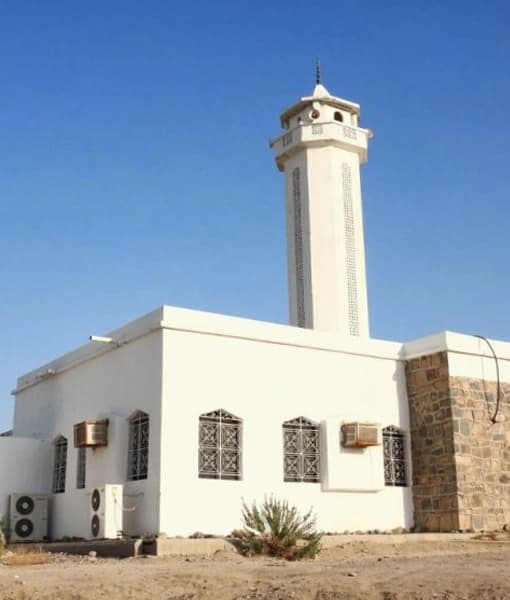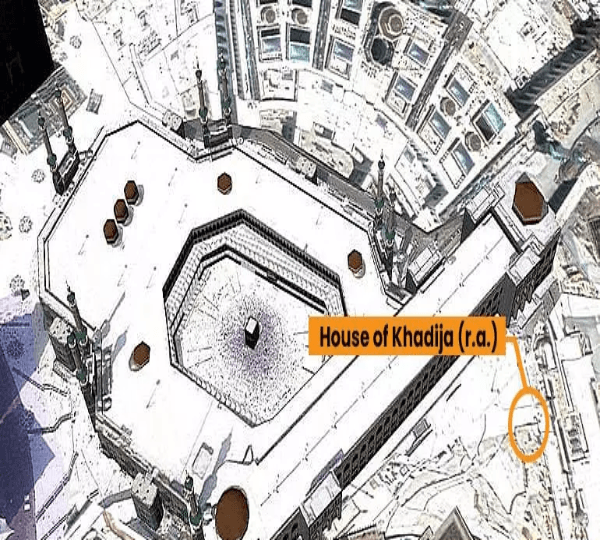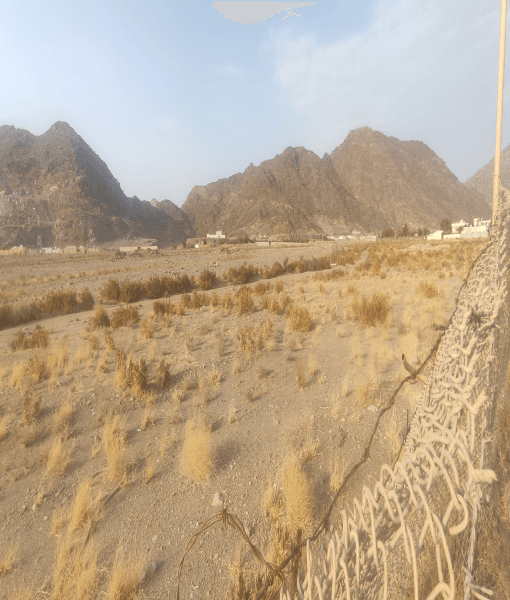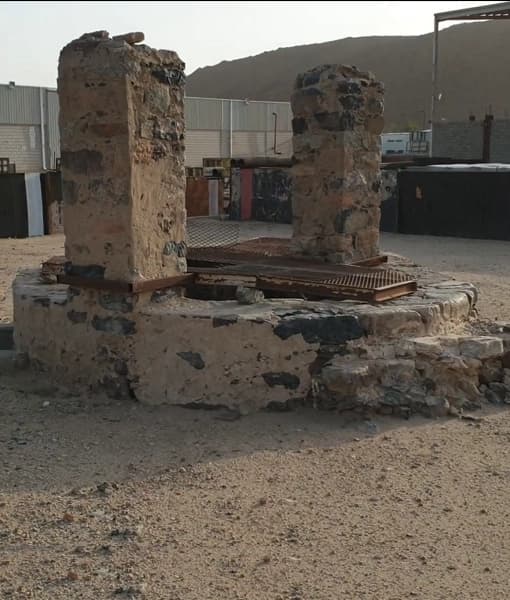
Gallery 1 Images

Site Information
About This Site
Historical Significance The Journey to Hudaybiyah In the sacred month of Dhu al-Qa‘dah, 6 AH (628 CE), the Prophet Muhammad ﷺ left Madinah with approximately 1,400 companions, all intending to perform Umrah in Makkah. They travelled with sincere hearts,...
Historical Significance
Historical Significance
The Journey to Hudaybiyah In the sacred month of Dhu al-Qa‘dah, 6 AH (628 CE), the Prophet Muhammad ﷺ left Madinah with approximately 1,400 companions, all intending to perform Umrah in Makkah. They travelled with sincere hearts, dressed in the simple garments of Ihram, carrying no weapons for battle, and declaring their peaceful purpose. When they reached the area of Hudaybiyah, the Quraysh sent riders and messengers to prevent them from entering Makkah. The Prophet ﷺdemonstrating remarkable wisdom and patience, chose to camp in that dry and open place rather than force a confrontation. The "Treaty of Hudaybiyyah" Negotiations took place between the Muslims and the Quraysh, eventually leading to the signing of the "Treaty of Hudaybiyyah". This agreement included several important terms:
- A ceasefire for ten years between the Muslims and the Quraysh.
- The Muslims would return to Madinah that year without performing Umrah.
- They would be allowed to return the following year and stay in Makkah for three days to perform Umrah.
- If a person from Makkah went to Madinah without permission, they would be returned. If someone from Madinah went to Makkah, the Quraysh were not obliged to return them.
Although some terms appeared difficult at first, the treaty later proved to be a major turning point in Islamic history. It brought a period of peace, allowed Islam to spread more widely, and eventually led to the peaceful "Conquest of Makkah". The Miracle of the Well During the stay at Hudaybiyah, the companions faced a shortage of water. According to honoured traditional accounts, the Prophet ﷺ was brought some water. With the utmost dignity and grace, he ﷺ used a small amount to rinse his blessed mouth, and then, with complete trust in Allah, he ﷺ poured the remaining water into the well. Soon after, by the will and power of Allah, the well began to fill with water. What had been insufficient became more than enough. The companions drank from it, performed wudu, and found relief in a moment of difficulty. "Bay'at al-Ridwan" Another honoured event connected with Hudaybiyah is "Bay'at al-Ridwan", the Pledge of Good Pleasure. When rumours spread that the Quraysh had harmed Uthman ibn Affan (RA), who had been sent as a messenger, the Prophet ﷺ called upon the companions to pledge their loyalty. Under a tree, the companions pledged to stand firmly with the Prophet ﷺeven till death. This pledge is mentioned in the Qur’an: “Indeed, Allah was pleased with the believers when they pledged allegiance to you under the tree” (Qur’an 48:18). Qur’anic Reference and Lasting Impact The events of Hudaybiyah are honoured in the Qur’an, where Allah says: “Indeed, We have given you a clear conquest” (Qur’an 48:1). Many respected scholars explain that this “clear conquest” refers to the "Treaty of Hudaybiyyah" itself, because of the great blessings and long-term benefits that followed. The treaty allowed the Muslims to focus on spreading the message of Islam without constant conflict. Tribes began to accept Islam, and the Muslim community grew stronger. Eventually, the peaceful "Conquest of Makkah" became possible, fulfilling the original intention of the journey. A Lesson in Patience and Trust The story of Masjid Hudaybiyah teaches believers a powerful lesson about patience and trust in Allah. The Muslims had travelled with the intention of worship, yet they were stopped before reaching the Ka‘bah. Instead of reacting with anger or frustration, they followed the guidance of the Prophet ﷺ with complete trust. This patience led to a treaty that brought peace and eventually opened the way for the "Conquest of Makkah". The mosque reminds visitors that:
- Patience can lead to great long-term benefits.
- Obedience to the Prophet ﷺ brings barakah and relief.
- Allah provides for those who remain steadfast.
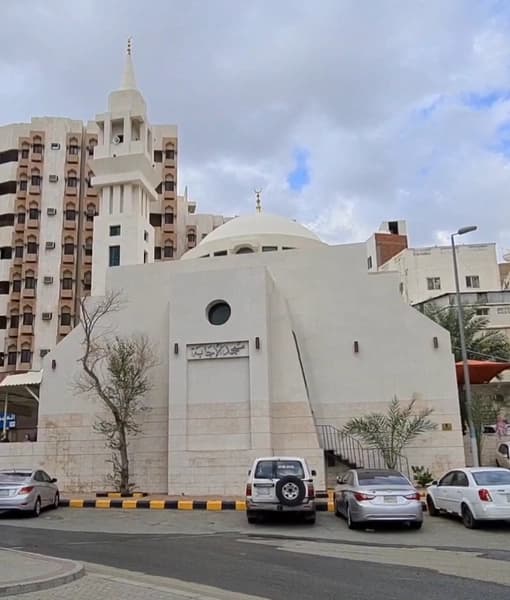
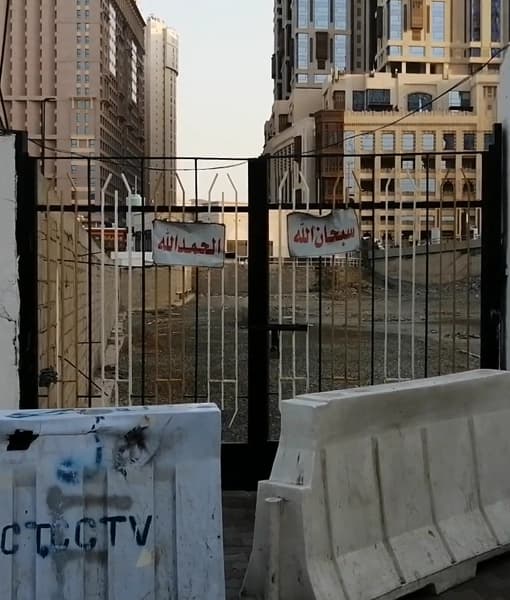
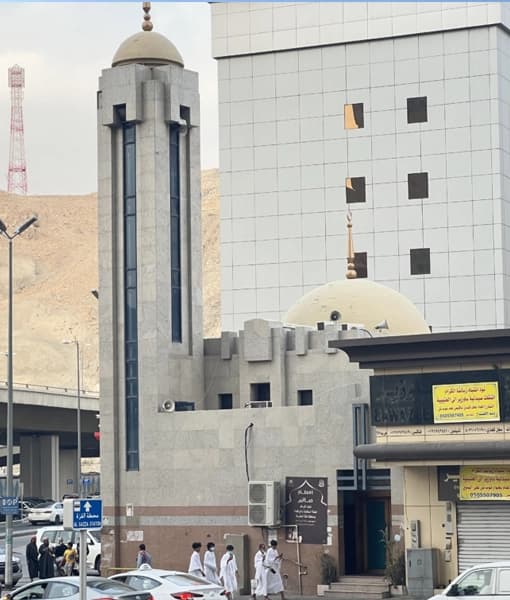
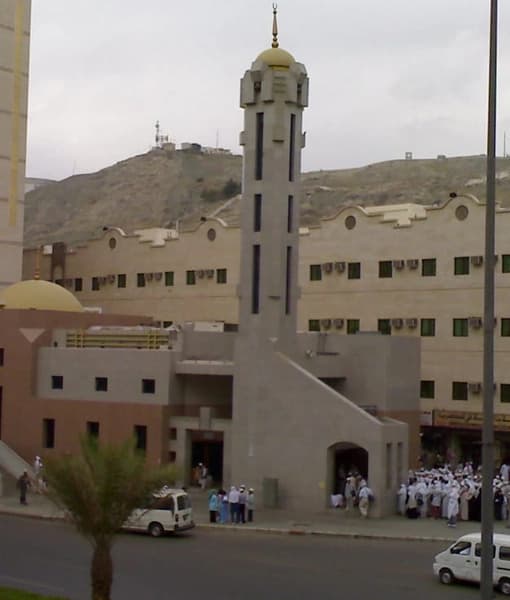
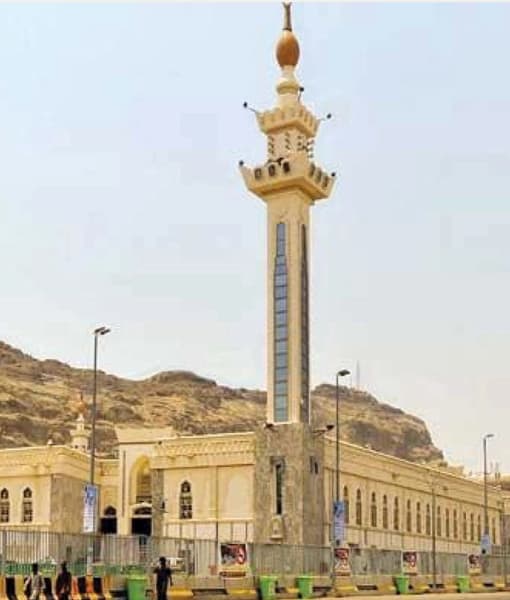
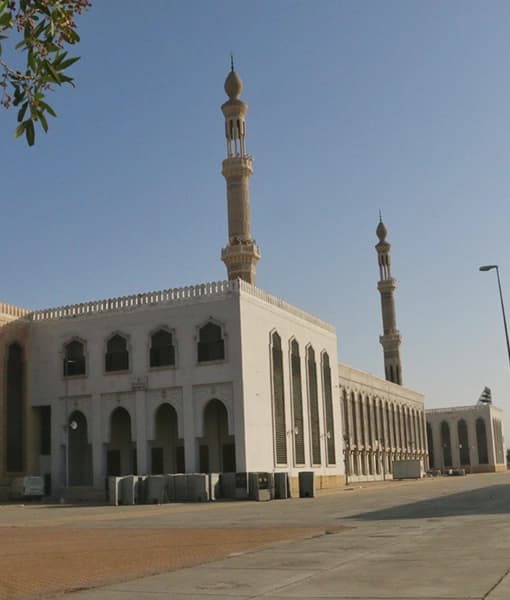
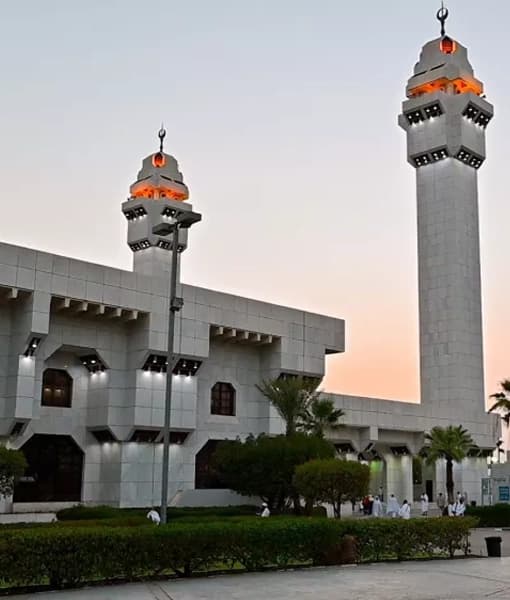
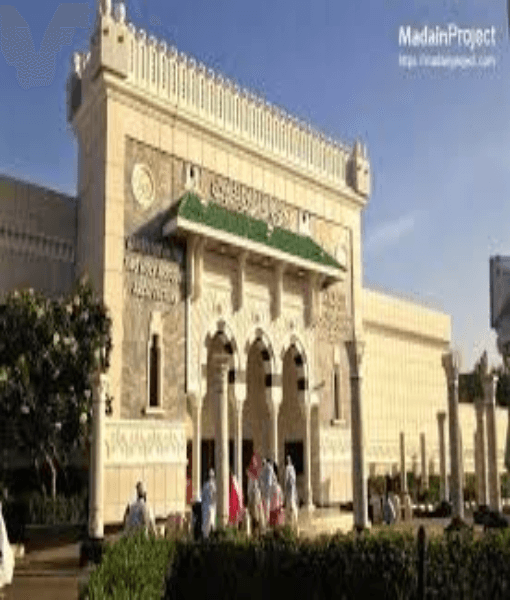
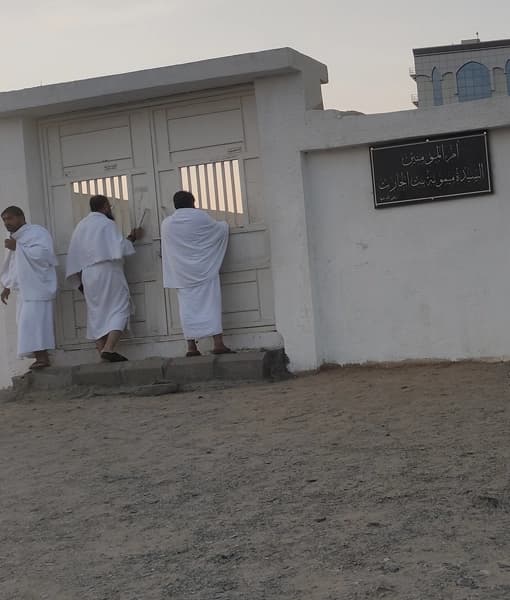
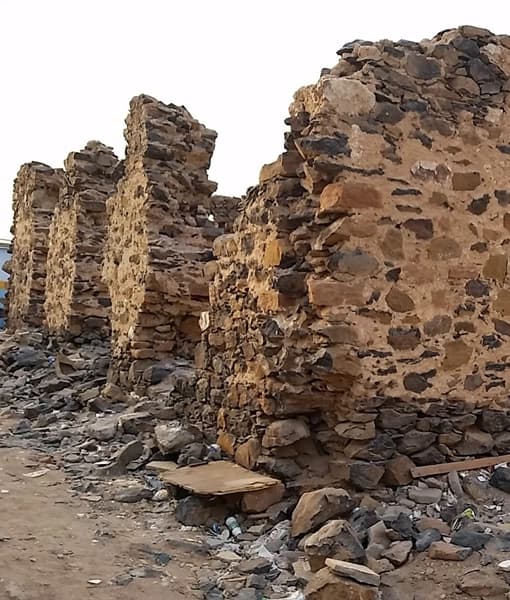
The People Behind the History Masjid Hudaybiyah is also connected with the noble companions who stood faithfully by the side of the Prophet ﷺ during this journey. They included men and women who had left their homes, wealth, and families for the sake of Islam. Among them was Uthman ibn Affan (RA), who was sent as a messenger to the Quraysh. His dedication and courage are remembered with deep respect. The pledge of "Bay'at al-Ridwan" showed the unwavering loyalty of the companions, who were willing to sacrifice everything for the sake of Allah and His Messenger ﷺ. Visiting Masjid Hudaybiyah Today Today, Masjid Hudaybiyah stands as a respected place of worship and a historical landmark near Makkah. The mosque has been maintained and developed over time to serve pilgrims and visitors. The original structure from the time of the Prophet ﷺ does not remain, but the location is honoured as part of the broader historical area of al-Hudaybiyah. Pilgrims should understand that:
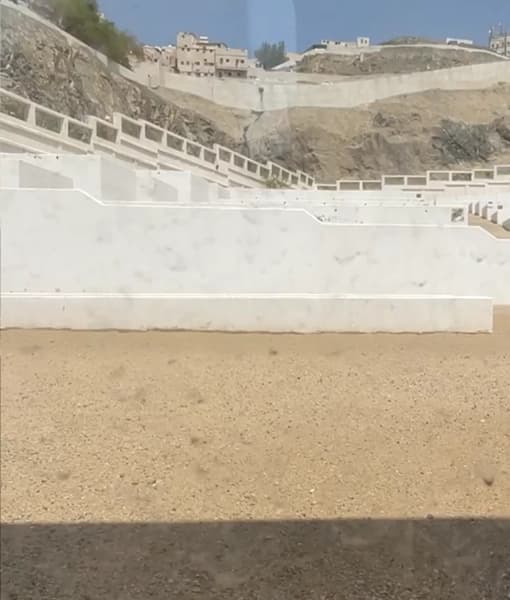
- The mosque is part of a broader historical area.
- Access may be limited or restricted depending on local arrangements.
- There is no special ritual established specifically for visiting the mosque.
Why Pilgrims Still Visit Masjid Hudaybiyah matters because it is connected with a moment of trial, patience, and divine support. The Muslims had travelled with the intention of worship, but they were stopped before reaching Makkah. Instead of reacting with anger, they followed the Prophet’s ﷺ guidance and accepted the situation with patience and trust in Allah. The mosque reminds them that Allah provides for those who remain steadfast. It also reminds them that a difficult moment can become the beginning of a greater victory. Frequently Asked Questions Where is Masjid Hudaybiyah located? Masjid Hudaybiyah is located in the area of al-Hudaybiyah, near Makkah, approximately 24 kilometres from Masjid al-Haram. Why is Masjid Hudaybiyah important in Islamic history? It marks the general location associated with the "Treaty of Hudaybiyyah", the miracle of the well, and "Bay'at al-Ridwan", all of which are honoured events in Islamic history. Can pilgrims visit Masjid Hudaybiyah today? The mosque is maintained as a place of worship and historical landmark, but access may be limited or restricted depending on local arrangements. Visitors should follow local instructions and respect the site.