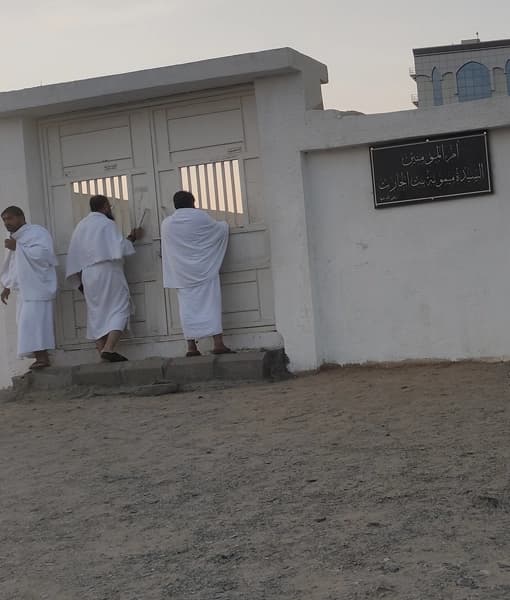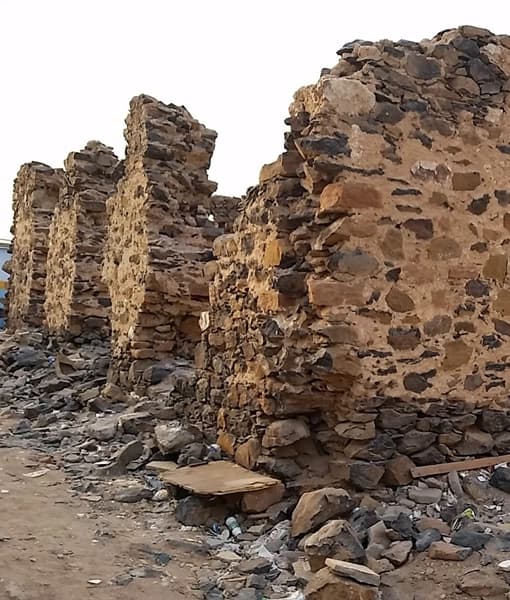
Gallery 1 Images

Site Information
About This Site
Historical Significance The Farewell Hajj and the Prophet’s ﷺ Presence in Mina The story of Masjid al-Khayf is closely tied to the Farewell Pilgrimage (Hajjat al-Wada’) in 10 AH (632 CE), the only Hajj performed by the Messenger of Allah ﷺDuring those sacred...
Historical Significance
Historical Significance
The Farewell Hajj and the Prophet’s ﷺ Presence in Mina The story of Masjid al-Khayf is closely tied to the Farewell Pilgrimage (Hajjat al-Wada’) in 10 AH (632 CE), the only Hajj performed by the Messenger of Allah ﷺDuring those sacred days in Mina, Prophet Muhammad ﷺ stayed in the valley and led the pilgrims in prayer. Key points from classical sources and historical accounts:
- The Prophet Muhammad ﷺ pitched his tent near this site in Mina.
- He ﷺ performed salah here, making it one of the few places in Mina directly associated with his physical presence during Hajj.
- It was from this ground that he ﷺ taught the people the rites of Hajj, saying: “Take your rituals from me.”
This moment carries deep emotional weight. The Ummah was witnessing the final Hajj of the Noble Prophet ﷺreceiving from him ﷺ the complete model of worship, sacrifice, and devotion that would guide Muslims until the Last Day. A Mosque Honored by Seventy Prophets Masjid al-Khayf carries a unique distinction in Islamic tradition. It is reported in authentic narrations that Prophet Muhammad ﷺ said: “Seventy prophets have prayed in this mosque.” This statement gives the site a special place in the hearts of Muslims, linking it not only to our beloved Prophet ﷺ but also to a long line of earlier Prophets (AS) who stood in worship at the same spot. While the exact identities of these Prophets (AS) are not specified in the sources, the report emphasizes the spiritual weight of the location. It reminds pilgrims that Mina was not only the stage for the final rites of Islam but also a place where devotion to Allah spanned generations. Al-Khayf as a Miqat of Prayer and Reflection In Islamic practice, a Miqat is usually understood as a boundary for entering Ihram. Masjid al-Khayf is not a Miqat in that technical sense, but it functions as a spiritual threshold during Hajj:
- It is not one of the five directional Miqats for Ihram, but a focal point for prayer in
Mina.
- Pilgrims gather here in large numbers during the Days of Tashreeq, turning the mosque into a centre of dhikr, takbir, and supplication.
- Its location near the Jamarat ensures that it remains woven into the ritual journey of
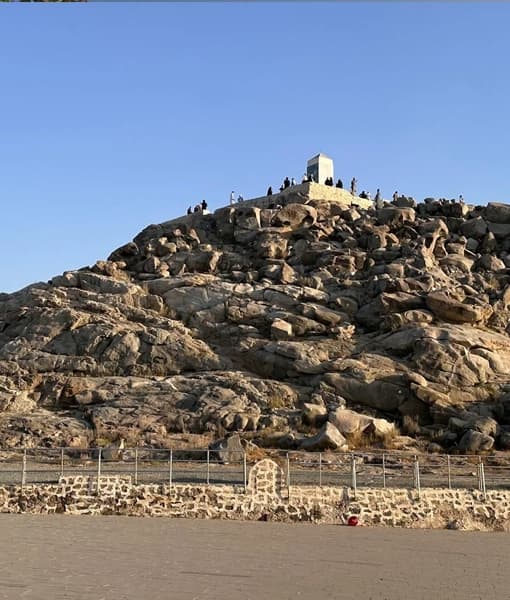
Hajj, not merely as a historical landmark but as a living part of the pilgrimage experience. The Name and Geography of al-Khayf The name “al-Khayf” is derived from the Arabic root related to a slope or decline from a raised area toward a valley or stream. Classical sources describe it as lying at the foot of the southern hill of Mina, forming a natural gathering point for pilgrims moving between the Jamarat. Historical notes:
- The term “al-Khayf” denotes a raised area that slopes down toward a watercourse or valley.
- The mosque sits at such a decline from the southern hill of Mina, overlooking the path pilgrims take between the Jamarat.
- Its location made it a natural focal point for prayer during the crowded days of Hajj, especially when the Prophet ﷺ and large groups of pilgrims gathered in Mina.
This naming helps distinguish it from other mosques in the Holy Sites, such as Masjid al- Namirah (near Arafat) and Masjid al-Bay’ah (in Makkah).. A Miqat of Mercy and Continuity Masjid al-Khayf is sometimes described in contemporary guides as a place of “mercy and continuity”, reflecting its role in enabling pilgrims to stand where the Prophet ﷺ once stood and to renew their intention and devotion. For those who pray here in Mina, the site becomes a threshold between ordinary life and the intensified worship of Hajj. Visitors often reflect on:
- The humility required to follow the Sunnah in prayer and ritual.
- The example of the Prophet ﷺwhose final Hajj became a model for all future generations.
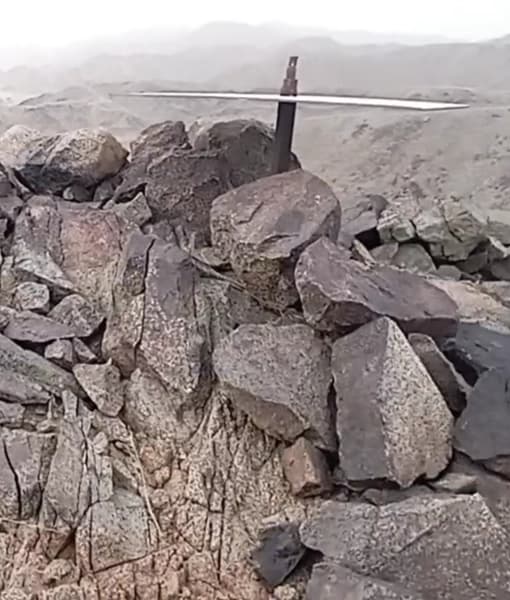
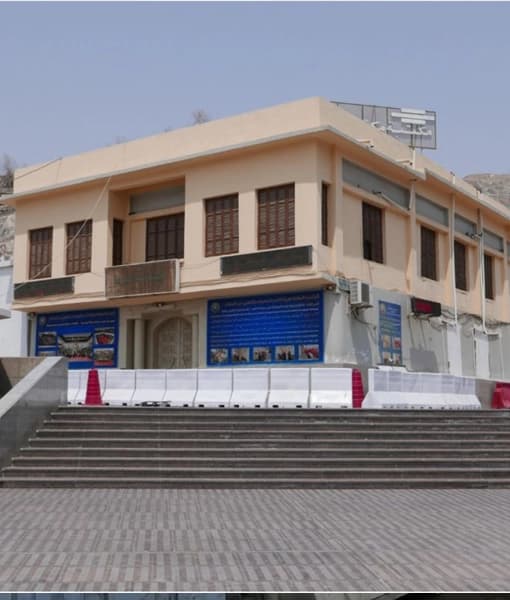
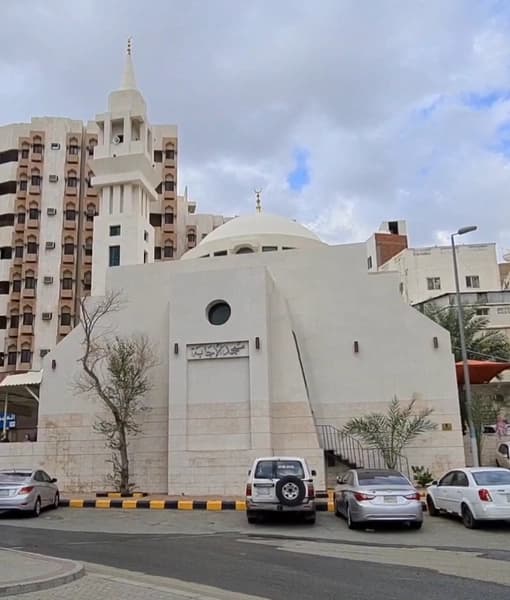
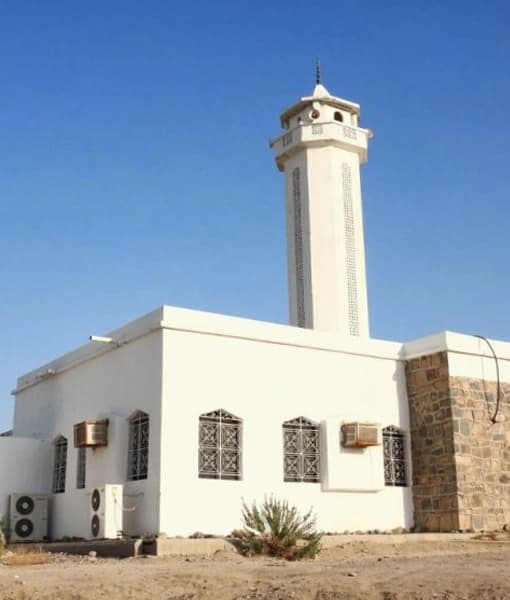
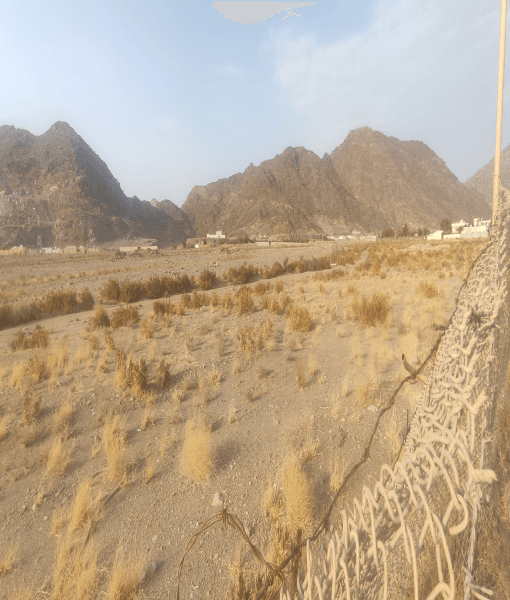
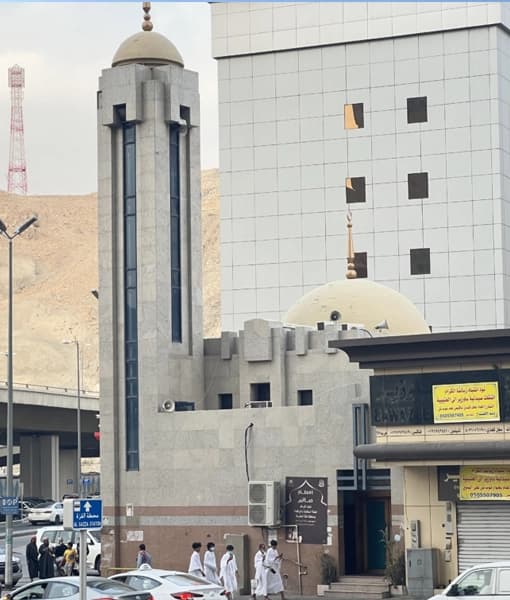
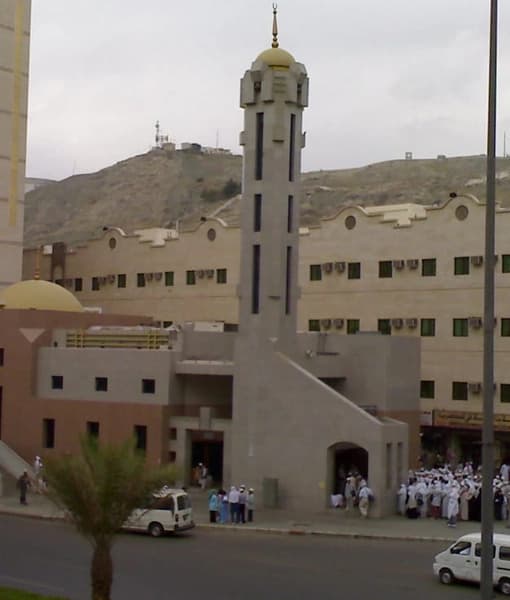
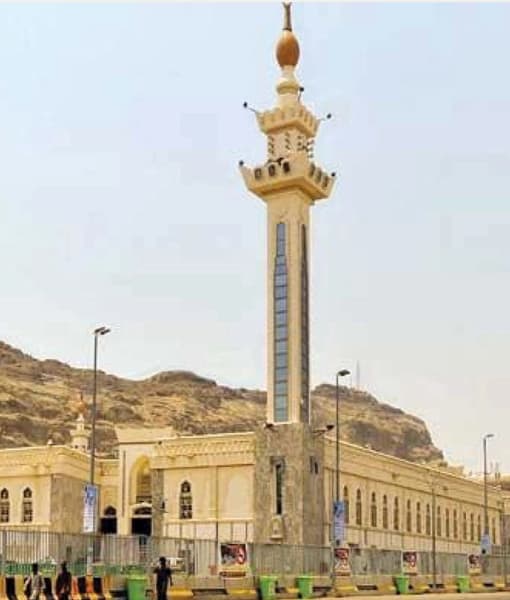
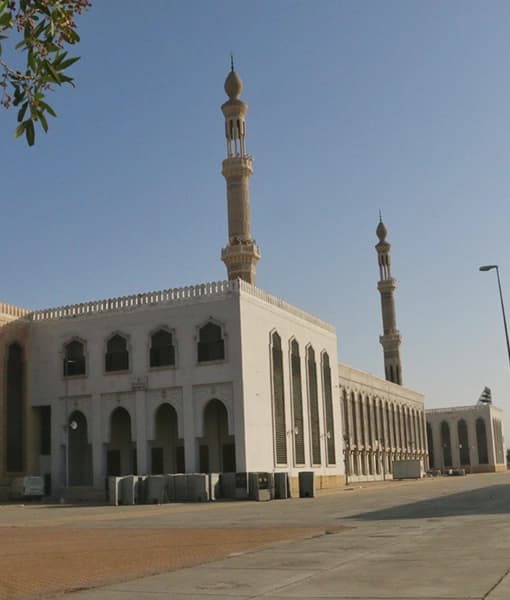
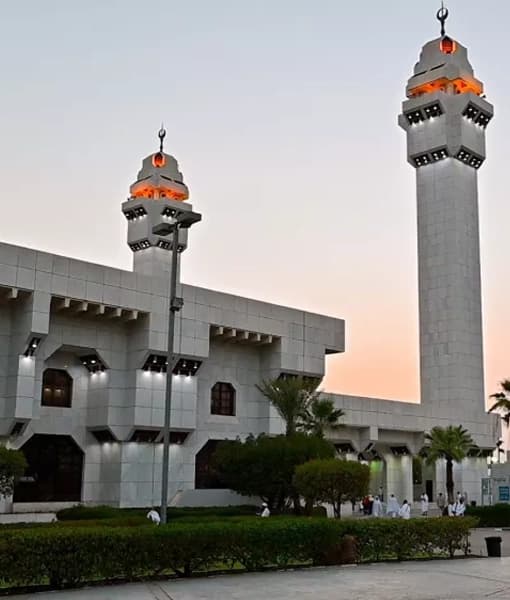
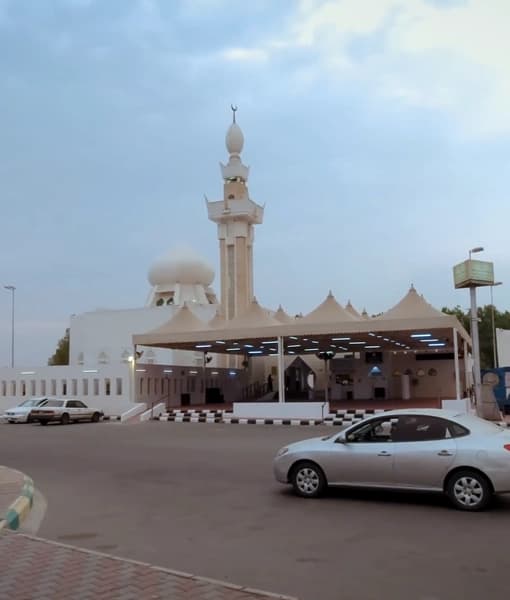
The Site Today Today, Masjid al-Khayf is a large, modern mosque complex designed to accommodate thousands of pilgrims during the Hajj season. The current structure is a recent development, built to serve contemporary needs while standing on the traditionally identified site of al- Khayf. Key points for visitors:
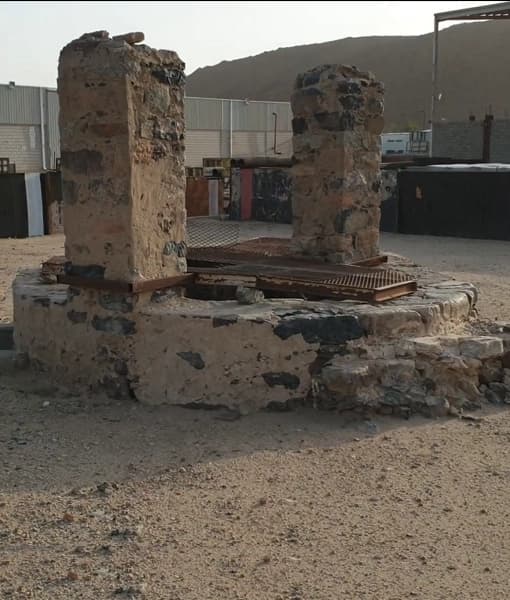
- What remains: The mosque stands on the historically recognised location where the
Prophet ﷺ prayed and delivered part of his Farewell Sermon.
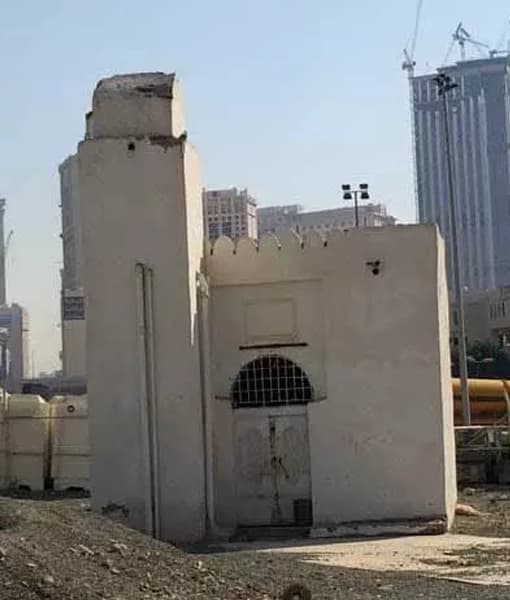
- What has changed: Any early or simple structures have been replaced by a spacious, well-equipped mosque with multiple prayer halls, courtyards, and facilities.
- What can be seen: Visitors can pray in the mosque, make dhikr and du’a, and access restrooms, changing areas, and spaces for preparing for Hajj rites.
- Capacity: The mosque can accommodate around 25,000 worshippers, with additional space in courtyards during busy periods.
- Access: It is reachable on foot during Hajj as part of the movement between the
Jamarat; outside the Hajj season, Mina is generally closed to the public. Why Pilgrims Still Visit Masjid al-Khayf remains meaningful because it links pilgrims directly with a moment in the life of the Prophet Muhammad ﷺ and with the ongoing ritual framework of Hajj. For those performing Makkah Ziyarat and Hajj, it offers:
- A chance to follow the Prophetic example in prayer and presence in Mina.
- An opportunity for spiritual reflection on themes of devotion, obedience, and renewal.
- A practical space for congregation, dhikr, and rest during the intense days of Hajj.
Frequently Asked Questions What is the significance of Masjid al-Khayf in Islamic history? Masjid al-Khayf marks the place where Prophet Muhammad ﷺ prayed and delivered part of his Farewell Sermon during the Farewell Pilgrimage, and it is reported that seventy Prophets (AS) prayed here. Can pilgrims pray in Masjid al-Khayf during Hajj? Yes, Masjid al-Khayf is open during the Hajj season (Days of Tarwiyah, Eid, and Tashreeq), and pilgrims can pray in congregation here as part of their Hajj rites. How far is Masjid al-Khayf from the Jamarat and how can I reach it? It is at the foot of the southern hill of Mina, near the small Jamarat, reachable on foot during Hajj as part of the movement between the stoning sites; outside Hajj, Mina is generally closed to the public.