Gallery 1 Images
Site Information
About This Site
closeness to something sacred gave the whole place a different feeling, busy and lively on the surface, but with something more meaningful waiting just beneath it. Historical Significance Imagine the dust rising along the road as tribes arrived from every...
Historical Significance
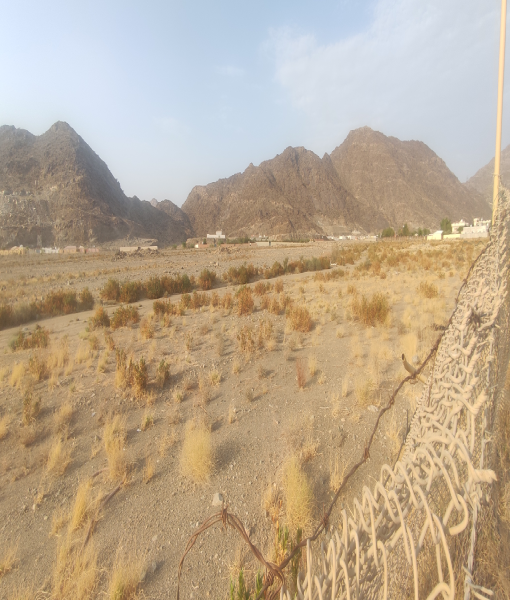
closeness to something sacred gave the whole place a different feeling, busy and lively on the surface, but with something more meaningful waiting just beneath it. Historical Significance Imagine the dust rising along the road as tribes arrived from every corner of the peninsula, their camels loaded with goods, their hearts already turning toward the pilgrimage that waited just days ahead. This was the scene at Souq al-Majaz, one of three great markets, alongside Souk Okaz and Majannah, that opened only during the sacred months before Hajj. People simply called them the "Hajj markets," and for a few precious weeks each year, this quiet valley became one of the most alive places in all of Arabia. Souq al-Majaz sat in Wadi al-Mughmas, right along the path between Mina and Arafat, the very same ground pilgrims still walk today. Picture tired travelers arriving after days on the road, finally able to rest, trade, and breathe, their hearts slowly turning from the business of the world toward the stillness of the days ahead. But this was never simply a place of buying and selling.
- Poets stood before crowds and spoke words that could stir a tribe's pride or spark a rivalry that outlived them all, their voices carrying across the valley long into the evening.
- Old friends and rival tribes alike gathered here, sharing news, settling disputes, and turning strangers into familiar faces year after year.
- Prophet Muhammad ﷺ himself is remembered to have walked through this very market, both as a young man and later in his life, his footsteps mixing with the same crowd that filled this valley season after season.
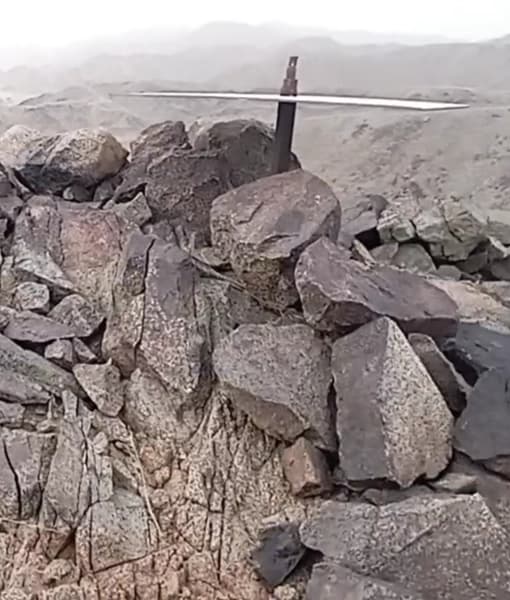
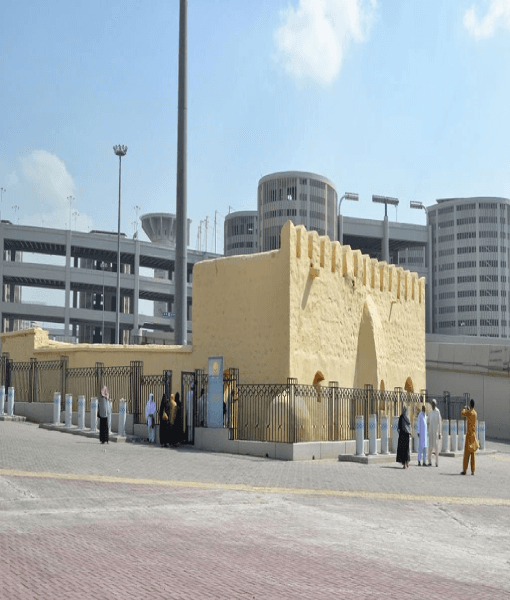
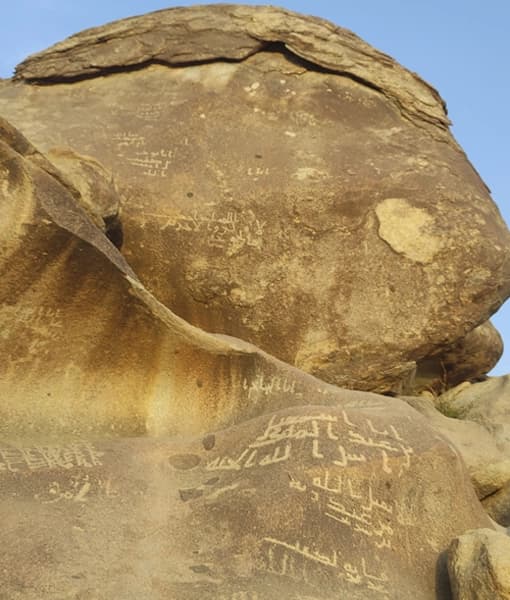
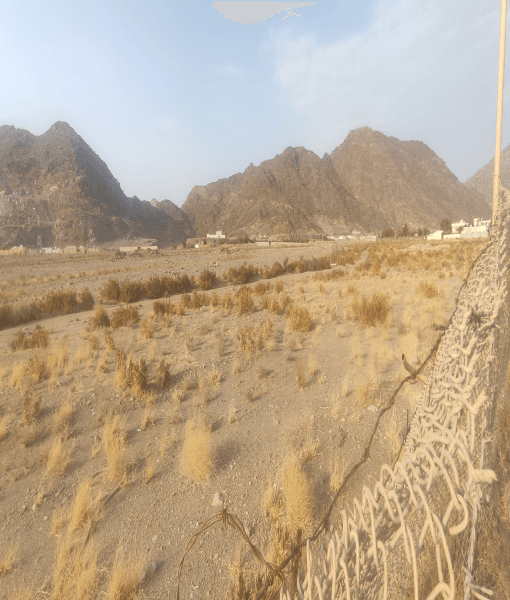
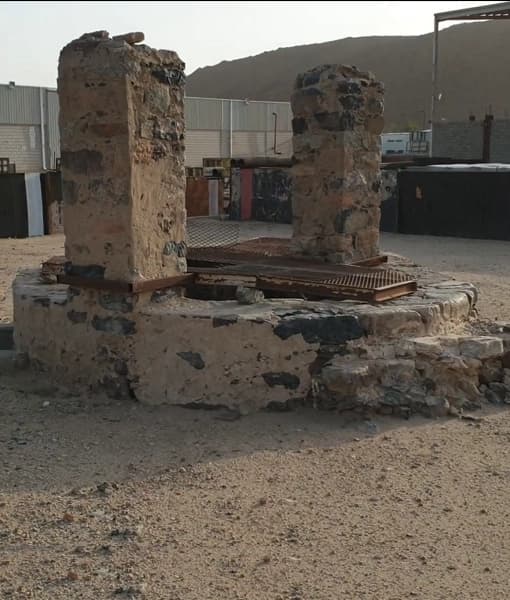
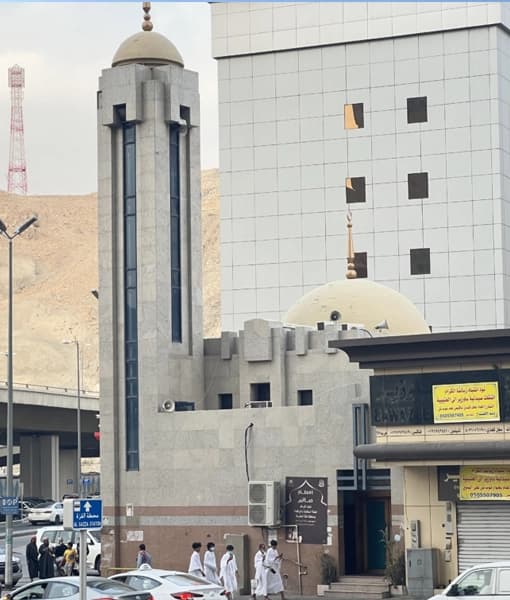
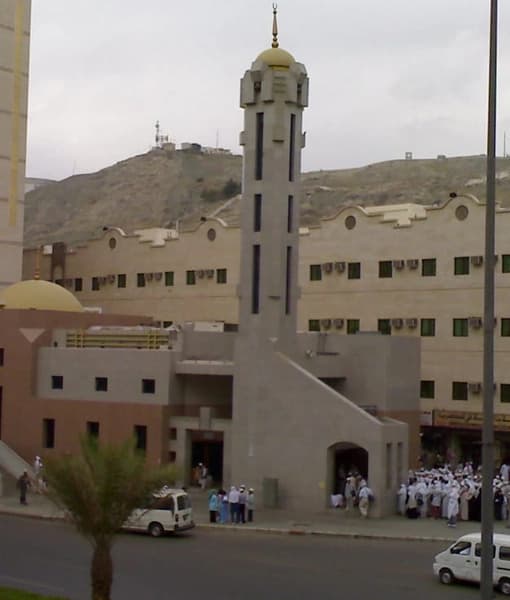
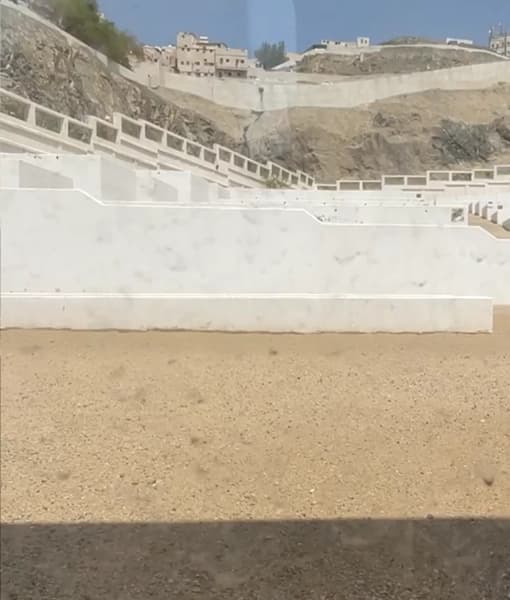
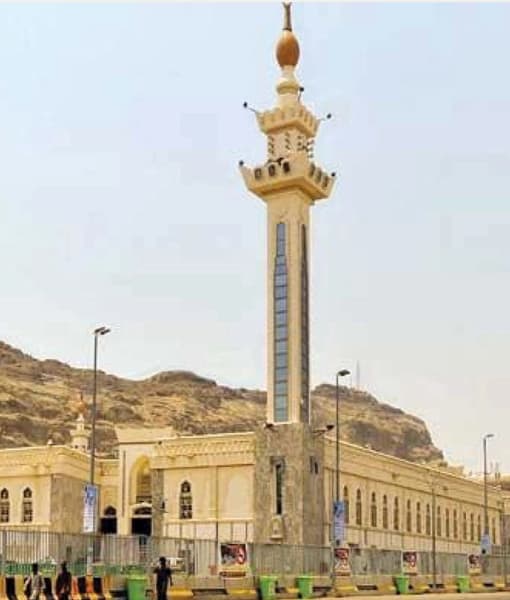
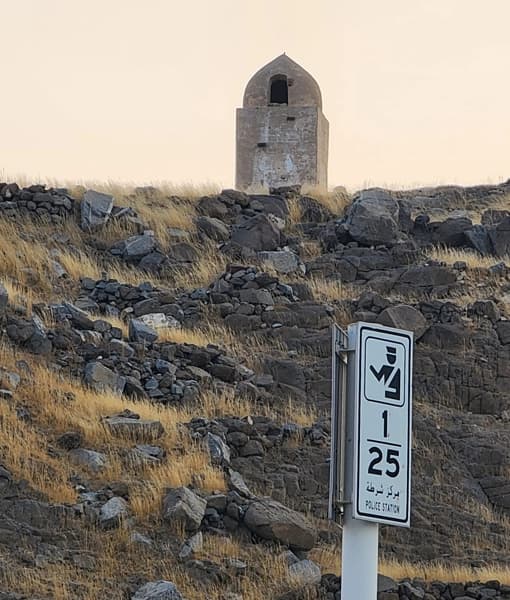
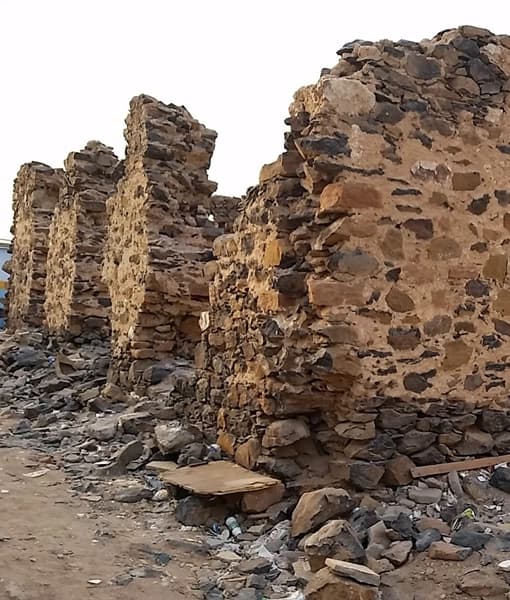
Time moved on, as it always does. New roads opened, old markets slowly quieted, and eventually the crowds stopped coming. Yet the story never truly disappeared. What makes this place so moving today is that its memory is not only kept alive through old stories passed down. It has been touched, quite literally, by Saudi Arabia's Heritage Commission, whose archaeologists have carefully uncovered shop foundations and inscriptions buried beneath the sand, silent proof that everything once described in history was, in fact, real. A Marketplace Where Words Mattered as Much as Goods Try to picture the scene for a moment. Under the open sky, a poet rises to speak, and the entire crowd falls silent, waiting. His words might honor his tribe, or they might challenge a rival, but either way, they will be remembered and repeated for years to come. Around him, traders call out from their stalls, offering soft leather, fragrant perfume, woven cloaks, and sturdy livestock, each item carrying a story of the distant land it traveled from. Strangers become acquaintances over a shared meal. Rivalries soften, if only for a few days, under the shared understanding that something greater waits just ahead. Because this market opened right before Hajj, something quietly beautiful unfolded here every single year. Commerce and faith walked side by side. The same hands that counted coins in the morning would, within days, be raised in prayer at Arafat, the noise of the marketplace slowly giving way to the silence of devotion. The Site Today Stand in this valley now, and you won't hear poetry or haggling anymore. The tents are gone. The traders are long gone too. What's left is quieter, but still special in its own way: a real archaeological site, where researchers keep gently uncovering more of its story, season after season. If you walk here as a pilgrim, you're not coming to see something polished or finished. You're coming to feel something. Standing on this ground means standing exactly where trade, tradition, and faith once moved together, side by side, on the very same road. Why Pilgrims Still Visit
- A living connection to the past. Few places let you stand exactly where real, uncovered evidence, not just an old story, proves what truly happened there.
- A reminder of shared humanity. Long before religion divided or united people, a marketplace like this one brought different tribes together through nothing more than trade, laughter, and shared words.
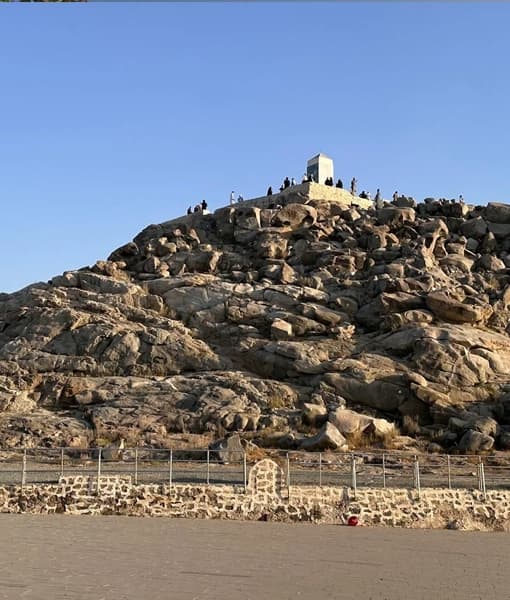
- A quiet stop on a sacred path. Resting between Mina and Arafat, this ground still lies along the very route pilgrims walk today, gently linking the ancient journey to the one being lived right now.
To walk near Souq al-Majaz today is to walk a path that has carried travelers, traders, and pilgrims alike, quietly and faithfully, for well over a thousand years. Frequently Asked Questions 1. Why is Souq al-Majaz important in Islamic history? It was one of the main pre-Islamic trading markets held just before the Hajj season, and Prophet Muhammad ﷺ himself is remembered to have visited it. Archaeological excavations have since confirmed the site's authenticity with real physical evidence. 2. Where exactly is Souq al-Majaz located? It lies in Wadi al-Mughmas, roughly 20 kilometers east of Makkah, along the traditional route between Mina and Arafat. 3. Is there anything to see at the site today? The market itself is long gone, but the site remains an active archaeological area where excavated shop foundations and early Islamic inscriptions can still be seen, offering a genuine, physical link to the past.