Gallery 1 Images

Site Information
About This Site
Over a thousand tired travelers, dust covering their clothes, their water bottles empty, standing beside a well that had already run dry. Children were thirsty. Animals were weak from the long journey. And no one, not even the strongest among them, knew what...
Historical Significance
Over a thousand tired travelers, dust covering their clothes, their water bottles empty, standing beside a well that had already run dry. Children were thirsty. Animals were weak from the long journey. And no one, not even the strongest among them, knew what would happen next. What followed, right here at this small, humble well, would go on to change the whole future of the early Muslim community. In the sixth year after the "Hijrah," Prophet Muhammad ﷺ left Madinah with around 1,400 companions by his side. They were not going to fight anyone. They simply wanted to visit the "Kaba" and perform "Umrah," walking peacefully, bringing only animals meant for sacrifice. But they never reached Makkah that year. Instead, they found themselves here, at a quiet, dusty place called "Hudaybiyah," facing a problem no one had expected. This place may look small and simple today, just a well surrounded by stone walls. But for anyone who knows its story, it holds one of the most touching moments in the life of our beloved Prophet ﷺa moment of thirst, fear, faith, and finally, relief that felt like a gift straight from the heavens. Historical Significance When the leaders of Makkah heard that the Prophet ﷺ and his companions were coming close, they rushed to stop them at the edge of the city. So the Muslims set up camp at "Hudaybiyah" instead. And that is when things became even harder. The only well nearby had completely dried up. Try to imagine the fear in that moment. Fourteen hundred people, tired from days of travel under the hot sun, with nothing left to drink. The companions came to the Prophet ﷺ in real distress, telling him there was simply no water left for anyone. He walked calmly to the edge of the well, leaned down, and gently placed a small amount of water from his own blessed mouth into it. What happened next is a moment so beautiful that people still speak of it with wonder, centuries later. Water began rising up from the well, gushing higher and higher, as if the earth itself was answering a silent prayer. There was more than enough for every single person and every tired, thirsty animal to drink freely. Another account tells us the Prophet ﷺ placed an arrow from his own quiver into the well, and the water rose all the way to the top, as though nature itself bowed in obedience to him. This one miraculous moment happened alongside two of the most important events in early Islamic history:
- The "Pledge of Ridwan," where the companions gathered beneath a tree and made a heartfelt promise of loyalty to the Prophet ﷺan act so beautiful and sincere that Allah
Himself praised it in the Qur'an.
- The "Treaty of Hudaybiyyah," a ten-year peace agreement between the Prophet ﷺ and the leaders of Makkah, signed after long and difficult talks.
What felt, in that painful moment, like a disappointment, a pilgrimage stopped before it even began, turned out to be one of the greatest turning points in the Prophet's ﷺ entire mission. It quietly opened the door to years of peace, and eventually, to Makkah itself welcoming him home with open arms. A Well That Taught Patience This story is remembered for far more than the miracle itself. It is remembered as a gentle lesson in staying calm and full of faith, even when everything feels impossibly uncertain.
- The companions were truly exhausted, truly thirsty, and truly unsure whether their journey would ever succeed.
- Instead of losing hope, they turned to the Prophet ﷺ and placed their trust fully and completely in him.
- The relief that followed did not come through fighting or force. It came through quiet, unwavering faith, the very same faith that carried them through the peace treaty signed on this sacred ground.
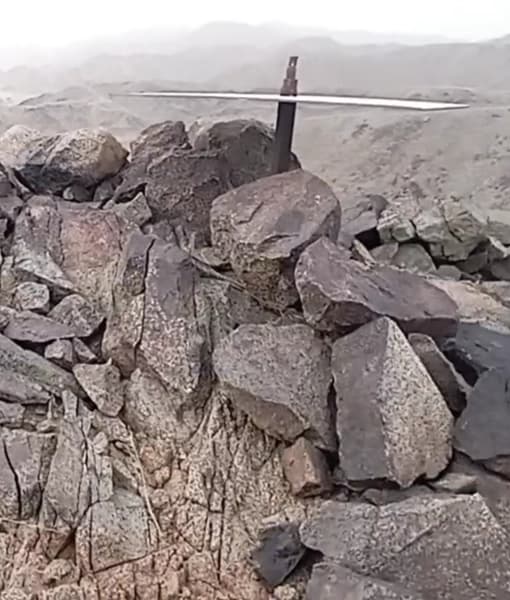
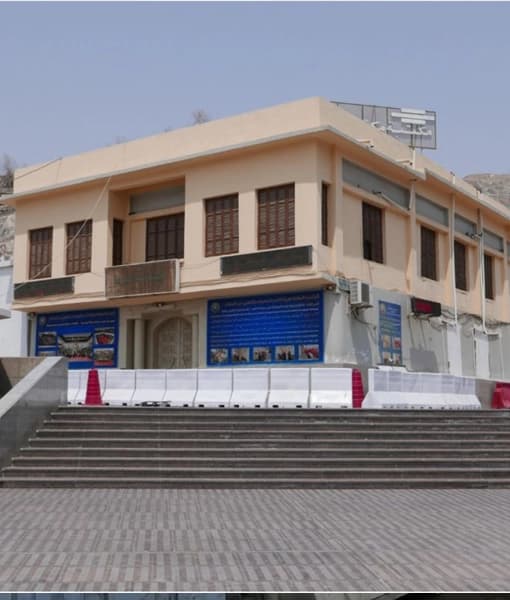
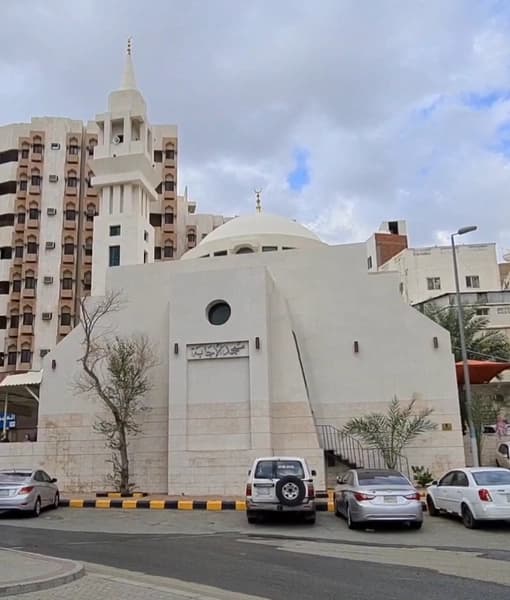
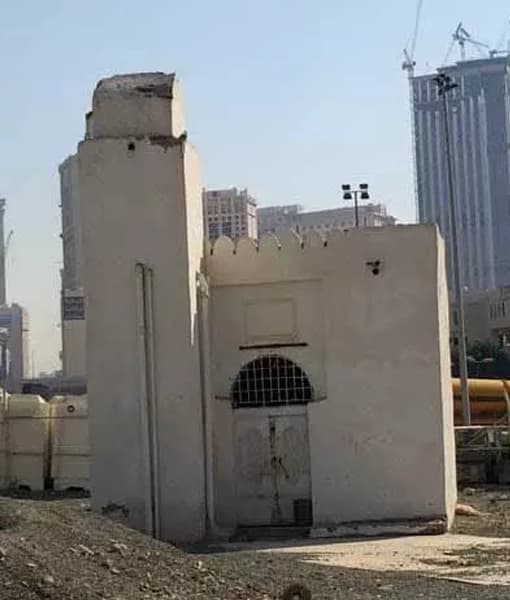
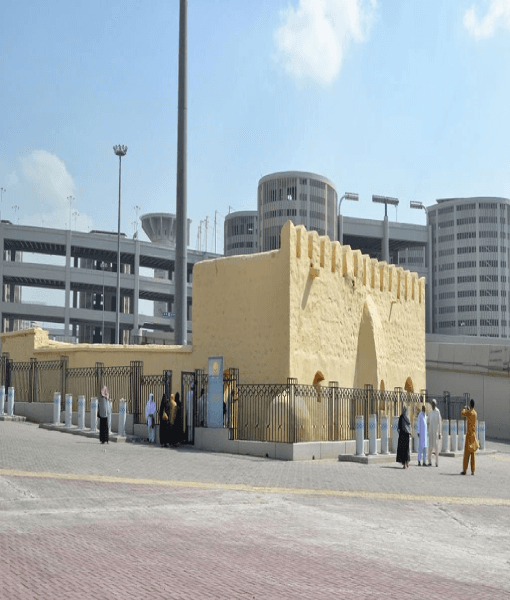
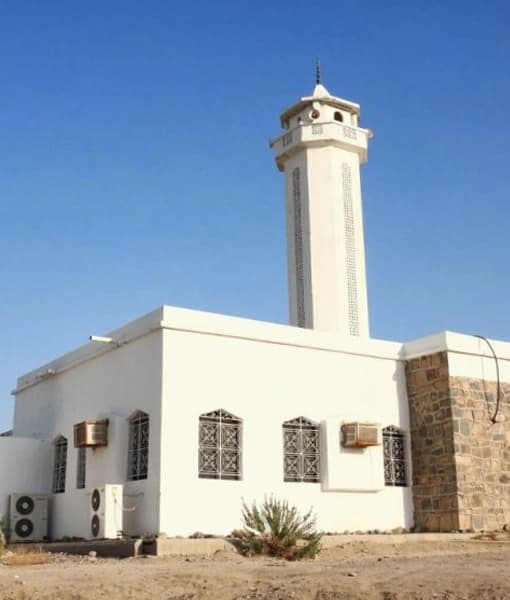
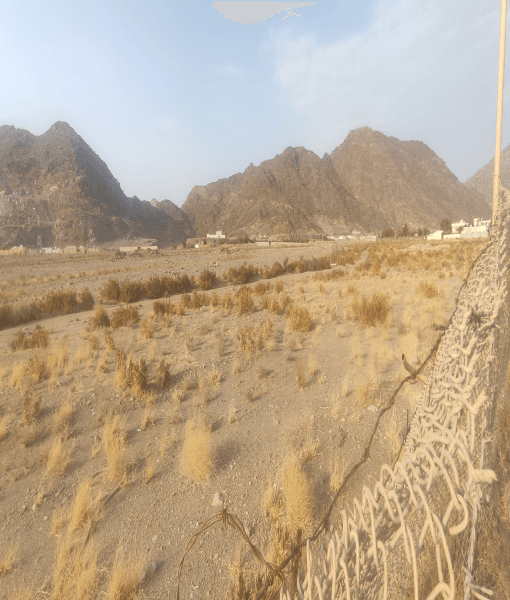
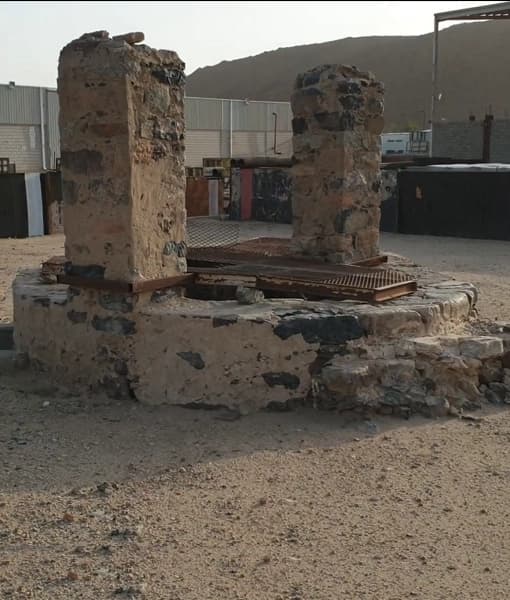
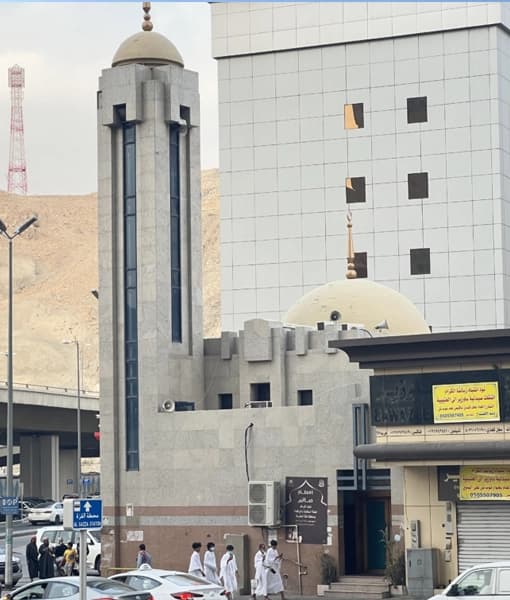
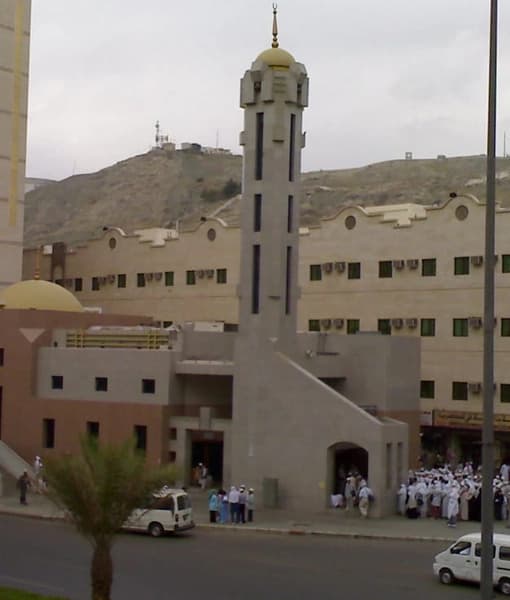
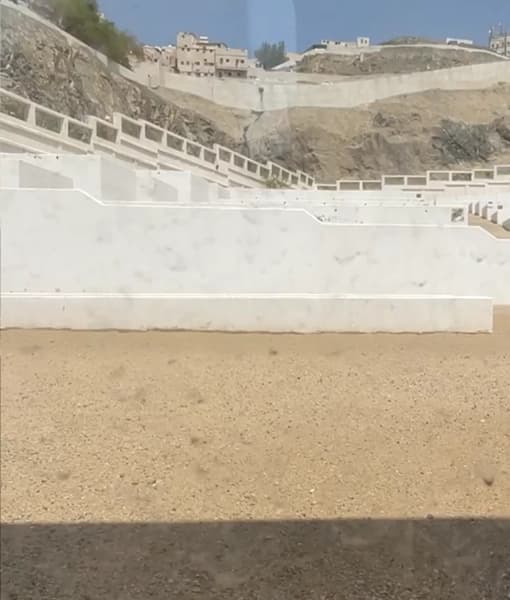
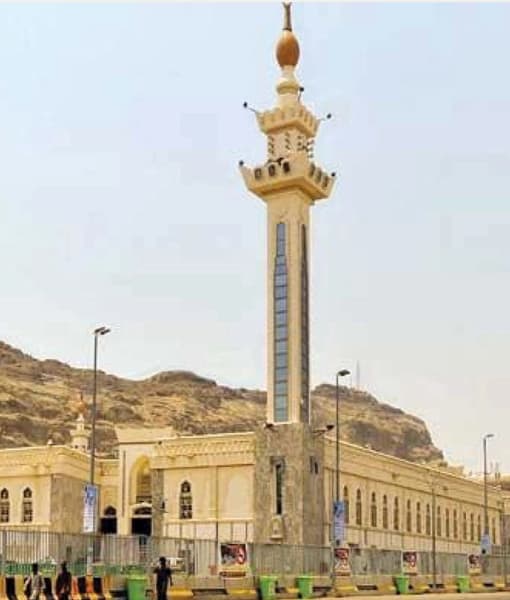
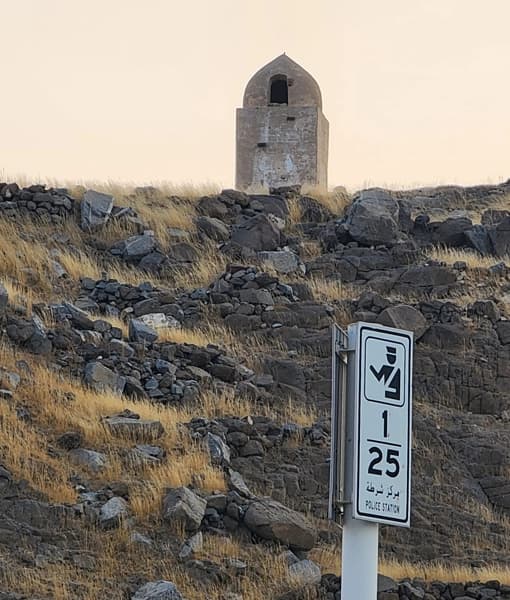
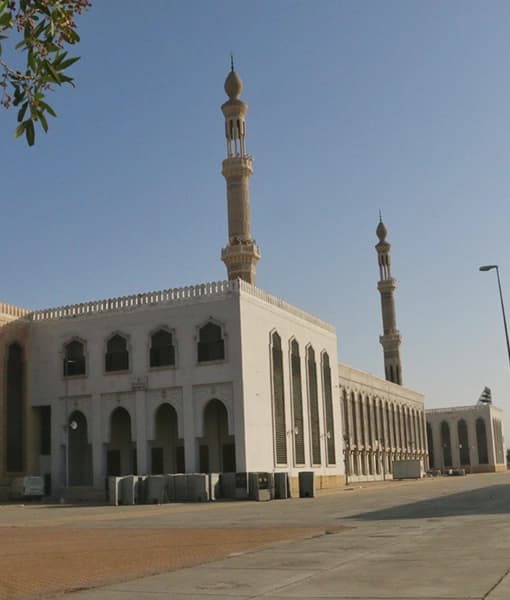
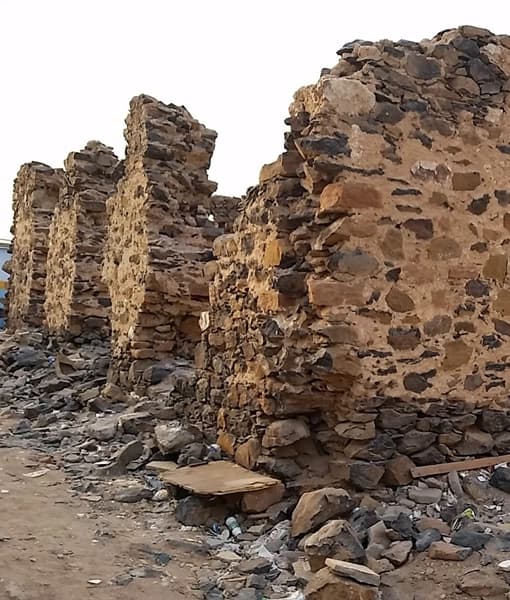
Even the treaty itself, which some companions found painfully hard to accept at first, is remembered today as the moment that made the Muslim community stronger than any battle ever could have. Visiting the Well of Hudaybiah Today The well still stands today, a simple, round structure built of stone, with a low wall wrapped gently around it. It sits in an area now known as "Al-Shumaisi," right along the old road that once connected Makkah and Jeddah, close to the "Al-Shumaisi Mosque." Some believe the well may be even older than Islam itself, later becoming forever linked to this beautiful story. Visitors today can walk right up to it and see it with their own eyes, though it now rests quietly, more a place to reflect than a place to draw water. There is no special ritual tied to visiting it. Visitors are simply asked to treat it gently and respectfully, the same way they would treat any place touched by the Prophet's ﷺ blessed life. Why This Ziyarat Still Matters For anyone visiting the historical places around Makkah, the Well of Hudaybiah offers something rare and deeply moving: a real, physical connection to a moment when patience quietly changed the course of history forever.
- It marks the sacred ground where the beautiful "Pledge of Ridwan" took place, an act of love and loyalty praised directly by Allah.
- It reminds every visitor that what feels like a painful setback is not always the end of the story. Sometimes it is simply the beginning of something far greater.
- It offers something truly special: a real well, still standing after so many centuries, not just a story written in old books, but something you can stand beside and touch with your own hands.
Standing near this small well is a chance to feel something timeless and deeply moving. Real strength does not always come from winning right away. Sometimes it comes quietly, through patience, through complete trust in Allah, and through simply moving forward with a full and faithful heart. Frequently Asked Questions 1. Where is the Well of Hudaybiah located? It is located in the "Al-Shumaisi" area, about 22 kilometers west of Masjid al-Haram, along the old road between Makkah and Jeddah. 2. Why is the Well of Hudaybiah important in Islamic history? It is the place where Prophet Muhammad ﷺ is remembered to have miraculously brought water for around 1,400 thirsty companions, and it sits close to where both the "Pledge of Ridwan" and the "Treaty of Hudaybiyyah" took place. 3. Can visitors still see the well today? Yes, the well still stands today and can be seen by visitors, though it is treated as a quiet historical site rather than a working water source.