Gallery 1 Images

Site Information
About This Site
As a pilgrim approaches Makkah, the journey begins to feel more meaningful. The roads may be busy, the city may appear modern, and vehicles may move constantly around the traveller. Yet, along the routes leading to the Holy City, a simple marker quietly shows...
Historical Significance
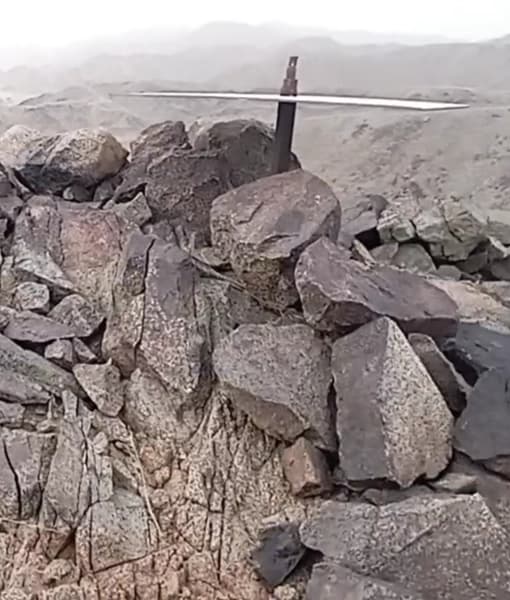
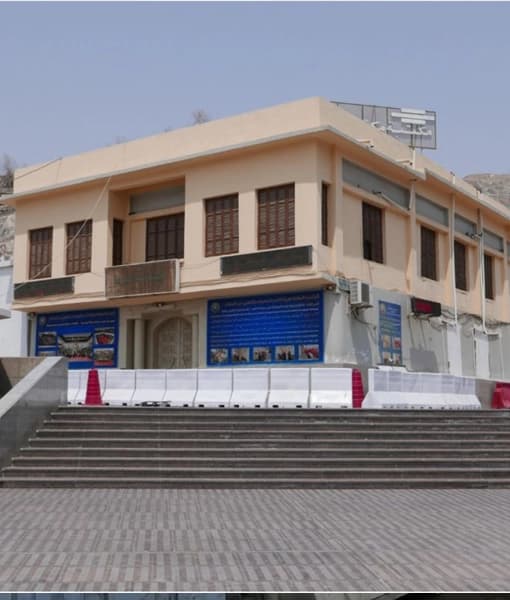
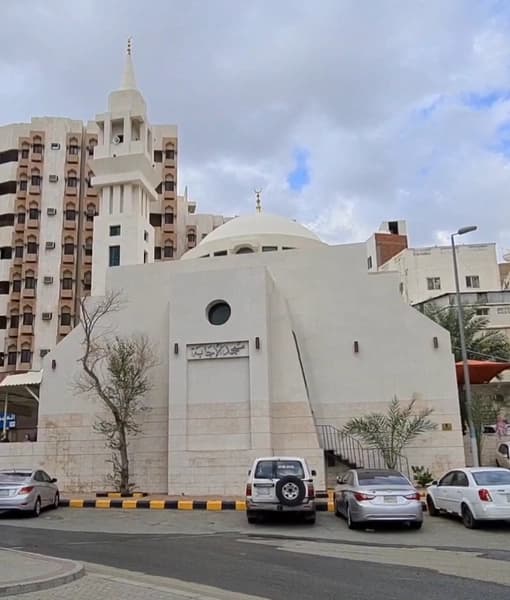
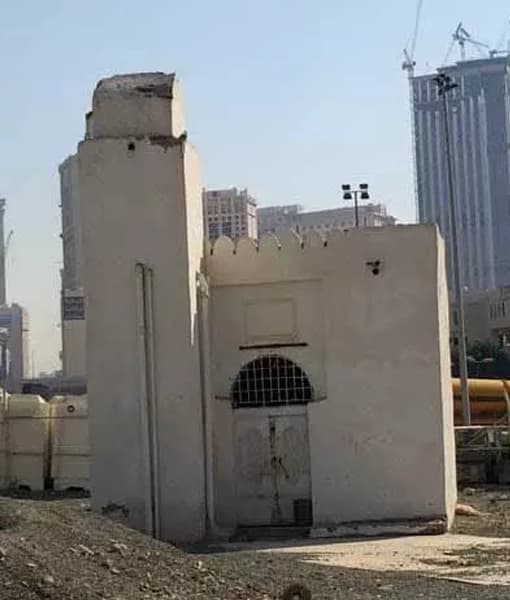
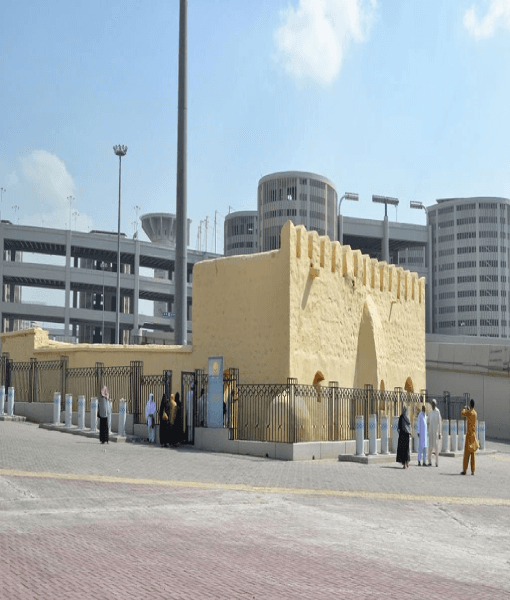
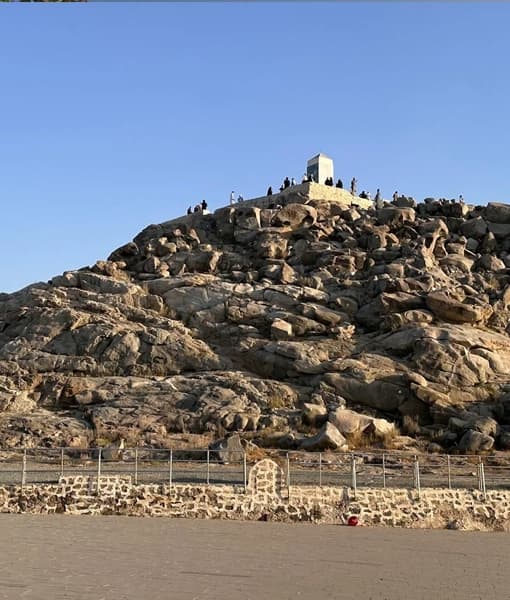
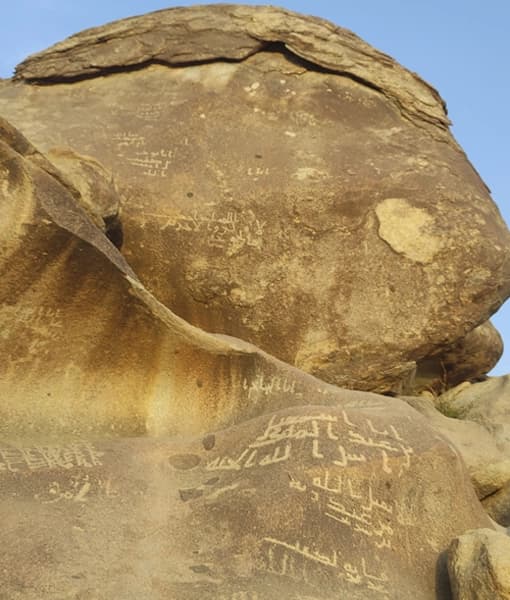
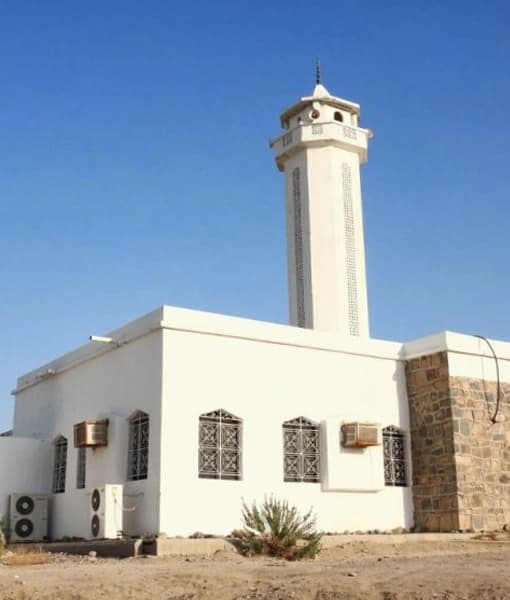
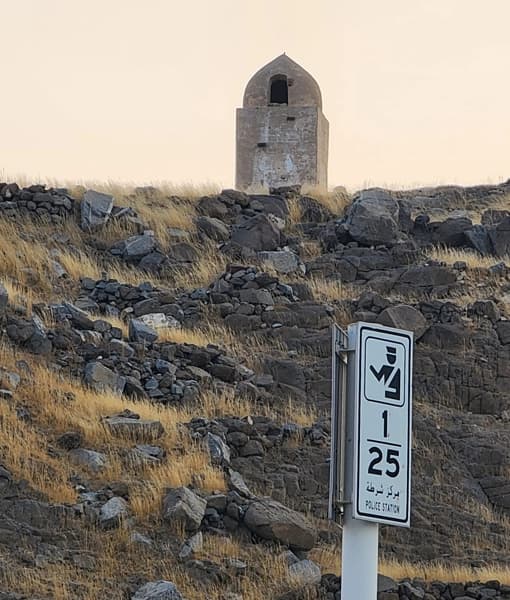
As a pilgrim approaches Makkah, the journey begins to feel more meaningful. The roads may be busy, the city may appear modern, and vehicles may move constantly around the traveller. Yet, along the routes leading to the Holy City, a simple marker quietly shows that an important boundary has been reached. This is the meaning of Ansab al-Haram. These markers identify the limits of Al-Haram, the Sacred Sanctuary of Makkah. They separate Al-Haram from the surrounding land, known as Al-Hill, meaning the area outside the Haram boundary. Many visitors use the word Haram only for Masjid al-Haram and the Kaaba. In reality, the Sacred Sanctuary covers a much wider area. Its mountains, valleys, roads, and boundaries are all part of Makkah’s sacred landscape. Ansab al-Haram helps visitors see Makkah as more than a city of famous landmarks. It reveals a wider landscape shaped by faith, history, and respect. A simple marker can therefore carry a deep meaning for anyone travelling towards the Holy City. Historical Significance The history of the Haram boundary reaches back to the earliest traditions connected with the sanctity of Makkah. Traditional Islamic accounts associate the original marking of these boundaries with Prophet Ibrahim (A.S.). This should be understood as a religious and historical tradition, not as a modern archaeological conclusion. Over the centuries, Muslim historians, geographers, and jurists carefully recorded the limits of Al-Haram. Their work was not only about geography. The difference between Al-Haram and Al-Hill also has religious and legal importance. This distinction is relevant to pilgrimage practices. Pilgrims travelling for Hajj or Umrah must enter ihram, the sacred state required for pilgrimage, before crossing the relevant miqat, or designated boundary point. For this reason, scholars paid close attention to the mountains, valleys, passes, and routes surrounding Makkah. The Haram boundary does not form a perfect straight line around the city. It follows the natural shape of the land. Some parts pass through mountains, while others follow valleys, roads, and routes used by travellers approaching Makkah. Ansab al-Haram is therefore more than a collection of roadside markers. Together, these markers connect Islamic history, sacred geography, and the physical landscape of the Holy City. The importance of Ansab al-Haram can be understood through these points:
- It identifies the outer limits of the Sacred Sanctuary.
- It separates Al-Haram from the surrounding area known as Al-Hill.
- It connects modern Makkah with the records of earlier Muslim scholars.
- It reminds visitors that the sanctity of Makkah extends beyond Masjid al-Haram.
A Sacred Landscape Through the Ages For generations, travellers approaching Makkah have known its sacred limits through descriptions, landmarks, and physical markers. Before modern roads and mapping systems, scholars and local authorities relied on established points to identify the Haram boundary. Makkah has changed greatly over time. Roads have been widened, buildings have expanded, and new facilities have been built for the growing number of pilgrims. Because of this development, some historic boundary locations may be difficult to recognize today. Even so, efforts to document Ansab al-Haram continue. Modern surveys and geographical studies have recorded the locations of boundary markers and examined their condition. One Saudi documentation project recorded 1,104 locations connected with the markers and boundaries of the Sacred Sanctuary. This shows the scale of the system. Ansab al-Haram is not one isolated object. It is a wide network surrounding Makkah and connecting the modern city with its sacred identity. What Visitors Can Expect Visitors should approach Ansab al-Haram differently from a conventional Ziyarat site. There is no single entrance, visitor centre, museum, or fixed route. The markers are spread across the geographical boundaries of Al-Haram and may be found in different locations. Al-Hill is not one attraction or a single named destination. It refers broadly to the land outside the Haram boundary. A responsible visit should focus on understanding rather than photography. Visitors should:
- Follow local traffic and safety rules.
- Avoid stopping on busy roads or restricted routes.
- Understand that some markers may not be directly accessible.
- Consult a qualified local guide before visiting a particular location.
- Avoid treating the markers as places connected with a special ritual unless reliable
Islamic evidence supports it.
- Respect the dignity of the Sacred Sanctuary throughout the visit.
The most meaningful part of this Ziyarat may be realizing that the sacred geography of Makkah extends beyond the central buildings familiar to most visitors. Ansab al-Haram helps pilgrims see the Holy City as a complete sanctuary, not only as a collection of famous landmarks. Why Ansab al-Haram Matters Ansab al-Haram offers a quiet but powerful lesson. It shows that sacred places are defined not only by buildings, crowds, and visible monuments, but also by the land that surrounds them. For visitors exploring the historical sites of Makkah, these boundary markers provide an opportunity to reflect on:
- The historical identity of the Sacred Sanctuary.
- The care taken by Muslim scholars to record its limits.
- The connection between faith, geography, and history.
- The respect due to the land of Makkah.
- The way an ancient sacred boundary continues within a modern city.
A Meaningful Point of Entry Ansab al-Haram may appear simple beside a modern road or within the surrounding landscape. It may not have the impressive architecture of the Kaaba or the preserved structure of a historic mosque. Its importance, however, lies in what it represents. For a pilgrim approaching Makkah, the marker is more than a geographical point. It signals entry into Al-Haram, the Sacred Sanctuary, and reminds the traveller that the land ahead holds a special place in Islamic history and religious life. This moment invites quiet reflection. The journey to Makkah is not only movement from one city to another. It is also a movement into a sacred space whose boundaries have been recognized, respected, and carefully recorded across generations. Through Ansab al-Haram, visitors gain a deeper understanding of the boundary between Al- Haram and Al-Hill. They also discover that the sacred identity of Makkah extends beyond Masjid al-Haram and includes the wider landscape surrounding the Holy City. The marker may be modest, but its meaning is enduring. It connects the modern pilgrim with the sacred geography of Makkah and with the long tradition of honouring the limits of the Haram. Frequently Asked Questions 1. What is Ansab al-Haram? Ansab al-Haram refers to the boundary markers that show the limits of Al-Haram, the Sacred Sanctuary of Makkah. They separate Al-Haram from the surrounding area known as Al-Hill. 2. Are there fixed visiting hours for Ansab al-Haram? No. Ansab al-Haram consists of outdoor boundary markers located in different areas around Makkah, so there is no single entrance or fixed visiting time. 3. Is there a special ritual for visiting Ansab al-Haram? No special ritual has been established specifically for visiting these markers. Visitors should focus on understanding their historical and religious meaning, follow local safety rules, and treat the Sacred Sanctuary with respect.