Gallery 1 Images

Site Information
About This Site
Historical Significance The First Martyr of Islam: Sumayyah (RA) The most significant historical figure associated with Maqbara al-Shubaikah is Sumayyah bint Khayyat (RA), who holds the distinguished honor of being the first martyr in Islam. During the early...
Historical Significance
Historical Significance
The First Martyr of Islam: Sumayyah (RA) The most significant historical figure associated with Maqbara al-Shubaikah is Sumayyah bint Khayyat (RA), who holds the distinguished honor of being the first martyr in Islam. During the early years of Prophet Muhammad's ﷺ mission in Makkah, Sumayyah (RA) embraced Islam alongside her husband Yasir (RA) and their son Ammar (RA). She endured severe persecution from the Quraysh for her faith, ultimately giving her life rather than renouncing Islam, becoming a symbol of unwavering conviction.
- Sumayyah (RA) was the first person to be martyred in the cause of Islam.
- She was tortured by the Quraysh for refusing to abandon her faith.
- She is traditionally reported to be buried in Maqbara al-Shubaikah.
The Jahiliyyah Practice of Burying Daughters Alive Before the advent of Islam, some pagan Arab tribes practiced the horrific custom of burying their infant daughters alive, viewing female children as a source of shame and disgrace. Historical accounts indicate that Maqbara al-Shubaikah was one of the sites where this tragic practice took place. The cemetery thus stands as a stark reminder of the moral darkness that existed before Islam's transformative message.
- Pre-Islamic Arabs sometimes buried infant daughters alive out of shame.
- Maqbara al-Shubaikah is reported to have been used for this practice.
- Islam categorically abolished this cruel tradition.
Early Islamic Burials in Makkah During the formative years of Islam in Makkah, before the migration to Madinah, Muslims who passed away were buried in various cemeteries around the city, including Maqbara al- Shubaikah. This cemetery became a resting place for some of the earliest converts to Islam, including those who suffered persecution for their faith. The presence of these early believers' graves connects the site directly to the foundational period of Islamic history.
- The cemetery was used for burials during the early Islamic period in Makkah.
- It contains graves of early Muslims who endured persecution for their faith.
- The site reflects the struggles of the first generation of believers.
Transformation from Jahiliyyah to Islam Maqbara al-Shubaikah embodies the profound transformation that Makkah underwent with the arrival of Islam. From a place associated with the darkest practices of jahiliyyah, it became a site where the blood of martyrs sanctified the ground. This transition from ignorance to faith, from cruelty to compassion, makes the cemetery a powerful symbol of Islam's civilizational impact on Arabian society.
- The site witnessed both pre-Islamic ignorance and early Islamic faith.
- It transitioned from a place of tragedy to one of honor and sacrifice.
- The cemetery reflects the moral revolution brought by Islam.
Historical Recognition by Scholars and Pilgrims Throughout Islamic history, Maqbara al-Shubaikah has been recognized by scholars and pilgrims as a site of historical and spiritual significance. While not as widely known as Jannatul Mualla, it holds a special place in the hearts of those who understand its connection to the earliest days of Islam. Pilgrims who visit the site do so with reverence, seeking to remember the sacrifices of Sumayyah (RA) and other early Muslims buried there.
- Scholars have traditionally acknowledged the site's historical importance.
- Pilgrims visit to remember the first martyr of Islam and early believers.
- The cemetery is less prominent than Jannatul Mualla but equally significant historically.
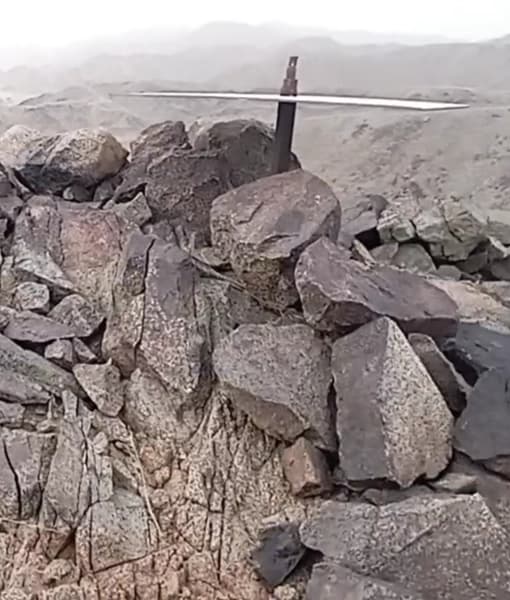
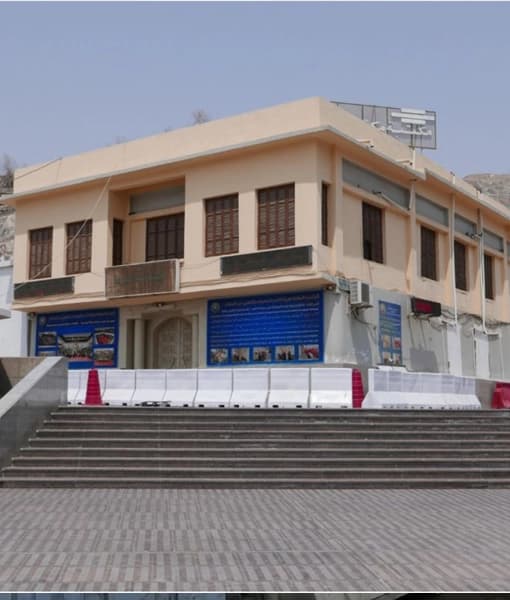
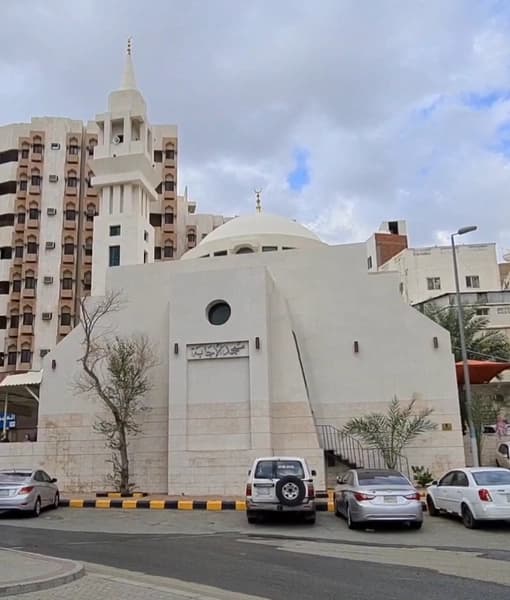
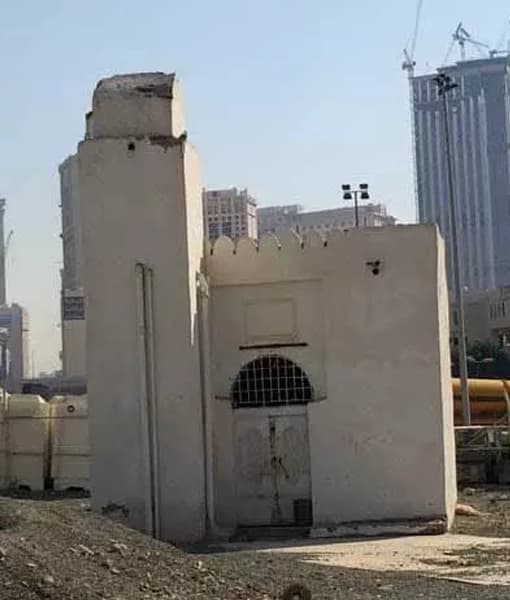
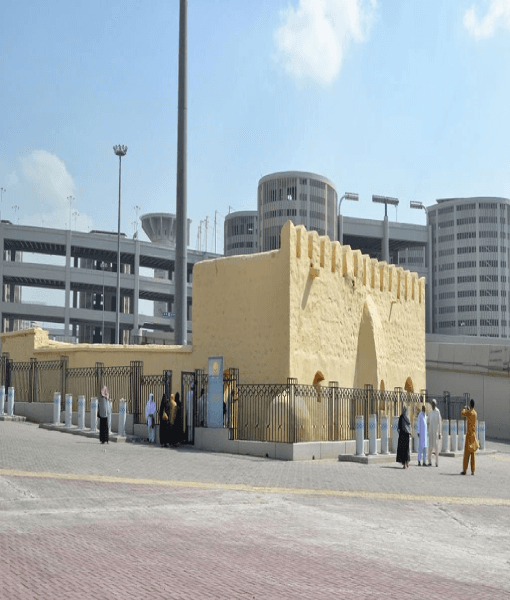
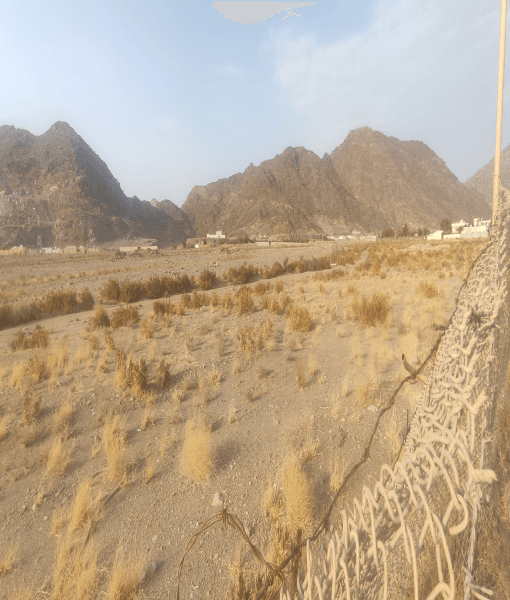
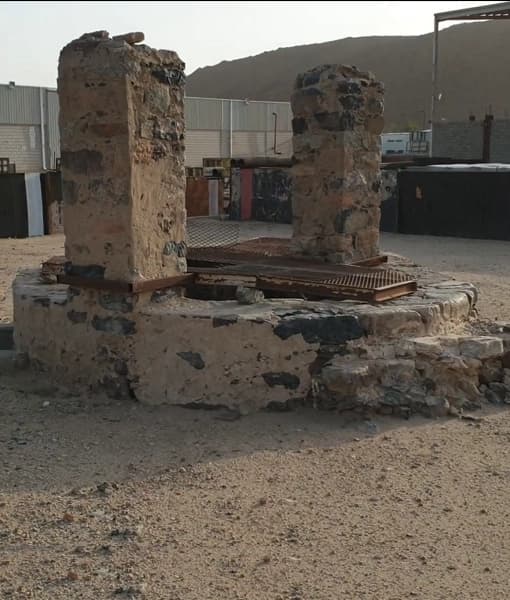
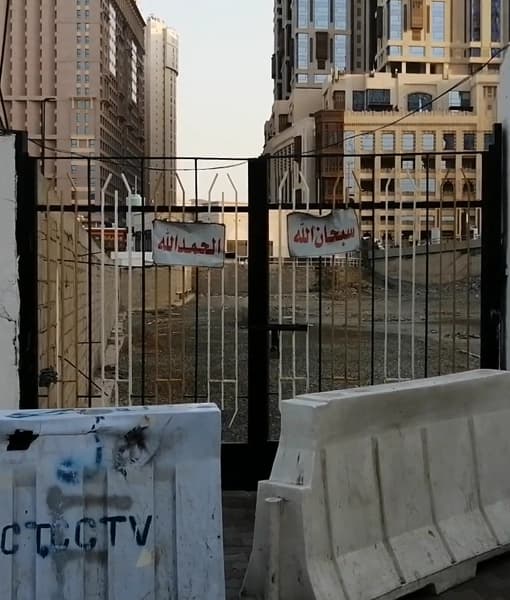
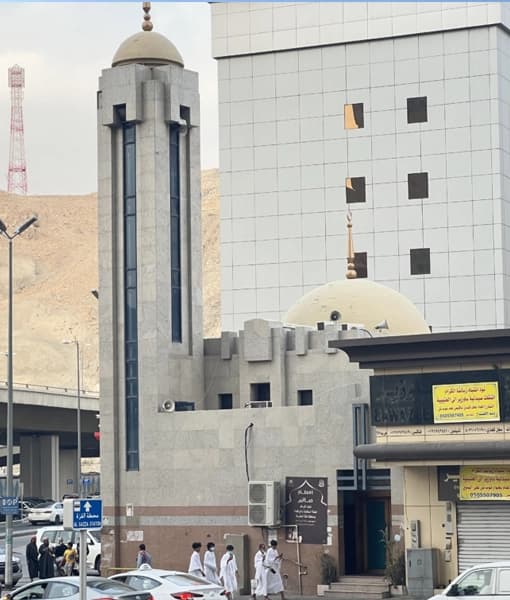
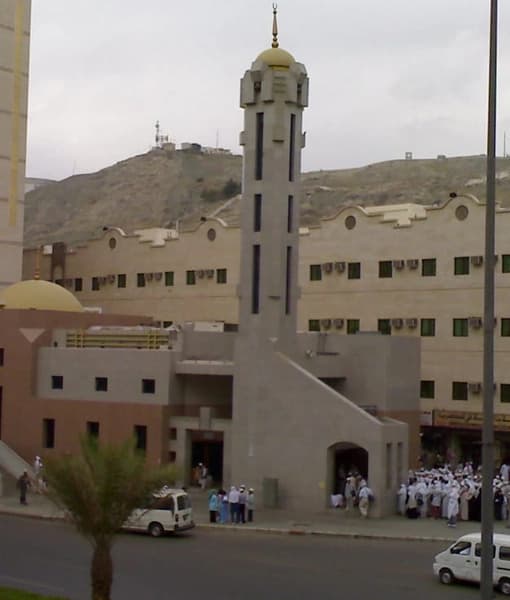
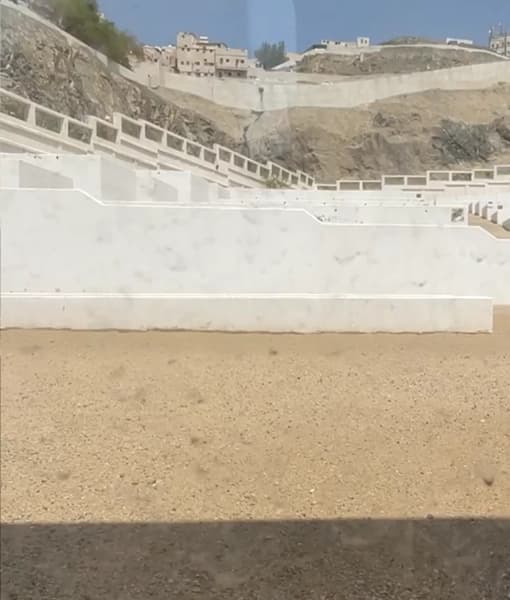
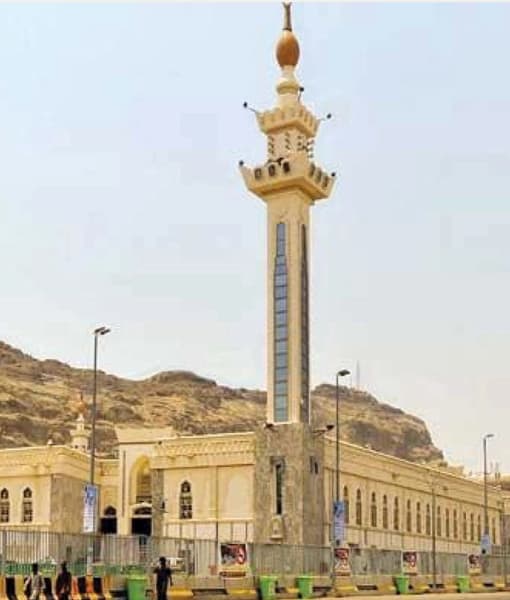
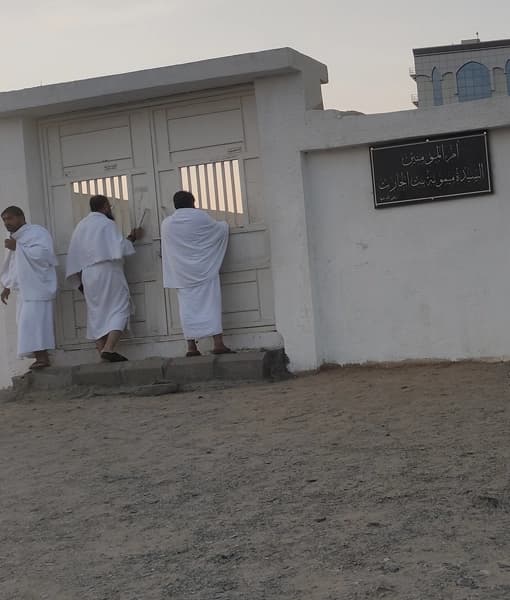
The Site Today Physical Appearance Today Maqbara al-Shubaikah is now a fenced-off plot of land, with limited public access. The cemetery is enclosed and not maintained as an active burial ground, reflecting its historical rather than contemporary use. Historical Remains and Structures No original structures or marked graves from the early Islamic period remain visible at the site. The cemetery exists primarily as a historically identified location rather than a preserved archaeological site. Modern Development and Surroundings The area around Maqbara al-Shubaikah has undergone significant development with Makkah's expansion. It is now located near the King Abdullah extension and the Jarwal road, surrounded by modern infrastructure and buildings. Access for Visitors Access to the cemetery is restricted; it is fenced and not open for general public visitation. Some pilgrims gather at the entrance to make supplication, but entry into the cemetery itself is not permitted. Why Pilgrims Still Visit Pilgrims visit Maqbara al-Shubaikah to connect with the story of Sumayyah (RA) and the earliest martyrs of Islam. This site stands as a unique reminder of the sacrifices made by the first generation of Muslims, who endured persecution and gave their lives for their faith. For many visitors, standing near the entrance of this historic cemetery inspires deep reflection on the cost of faith and the transformation that Islam brought to Arabian society. It is a place to contemplate the courage of those who stood firm in their belief despite overwhelming opposition, and to express gratitude for the legacy they left behind.
- To remember Sumayyah (RA), the first martyr in Islam.
- To reflect on the sacrifices of early Muslims buried here.
- To contemplate Islam's transformation of pre-Islamic practices.
- To connect with the foundational period of Islamic history in Makkah.
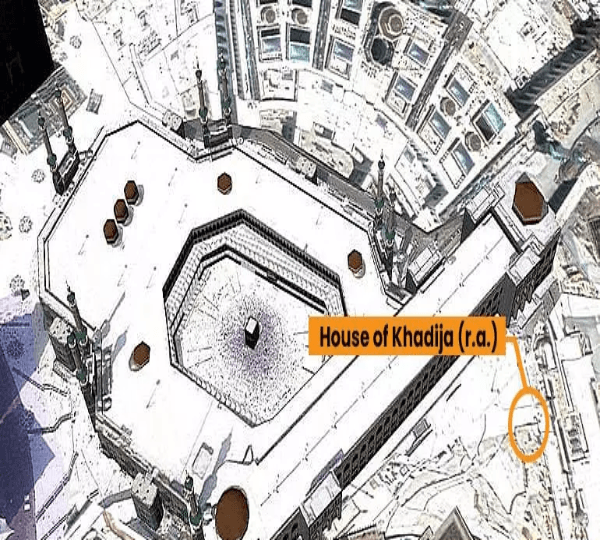
Frequently Asked Questions What is the historical significance of Maqbara al-Shubaikah? Maqbara al-Shubaikah is traditionally associated with the burial of Sumayyah (RA), the first martyr in Islam, and is also linked to the pre-Islamic practice of burying infant daughters alive, making it a site of profound historical and moral significance. Where is Maqbara al-Shubaikah located in Makkah? It is located south-west of Masjid al-Haram, near the King Abdullah extension and Jarwal road, in the Haratal Bab And Ash Shamiyyah area of Makkah, Saudi Arabia. Can visitors access Maqbara al-Shubaikah today? Access is restricted; the cemetery is fenced and not open for general public visitation, though some pilgrims gather at its entrance for supplication and remembrance.