Gallery 1 Images

Site Information
About This Site
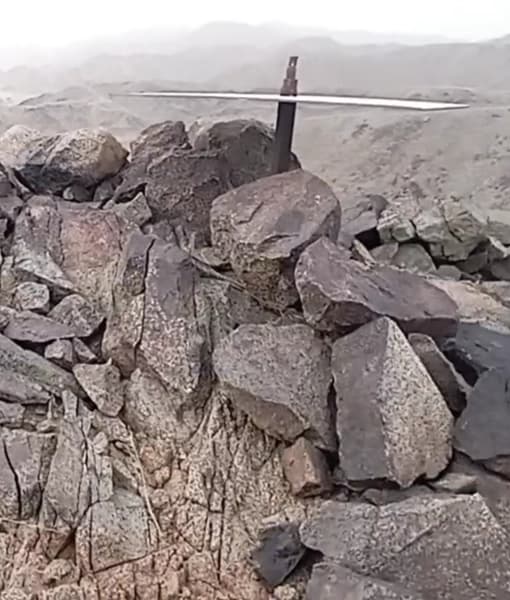
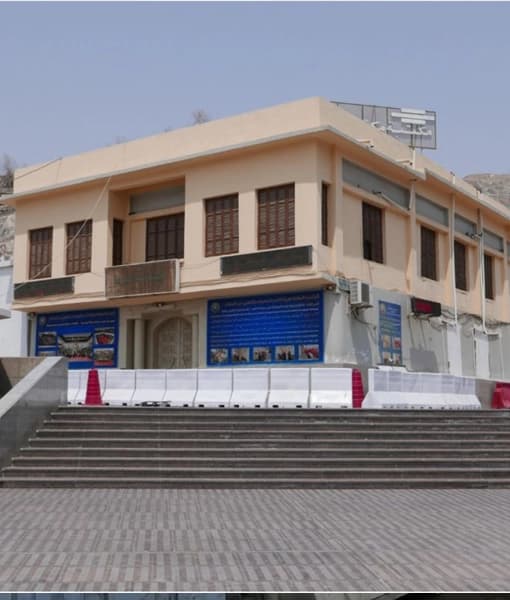
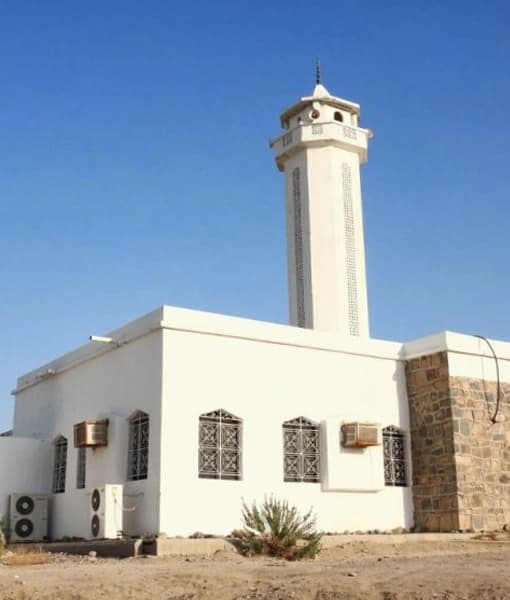
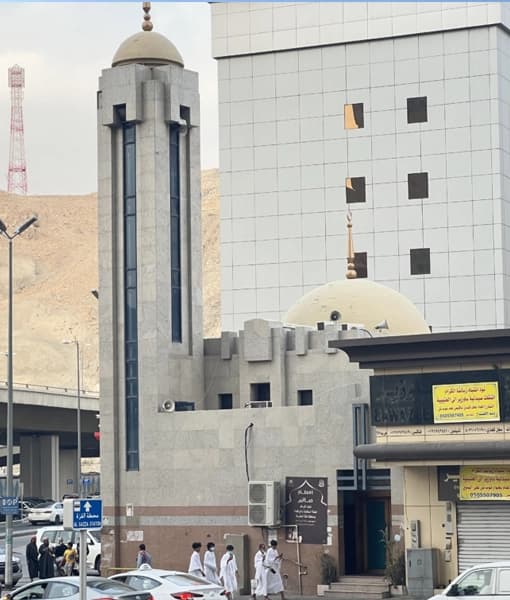
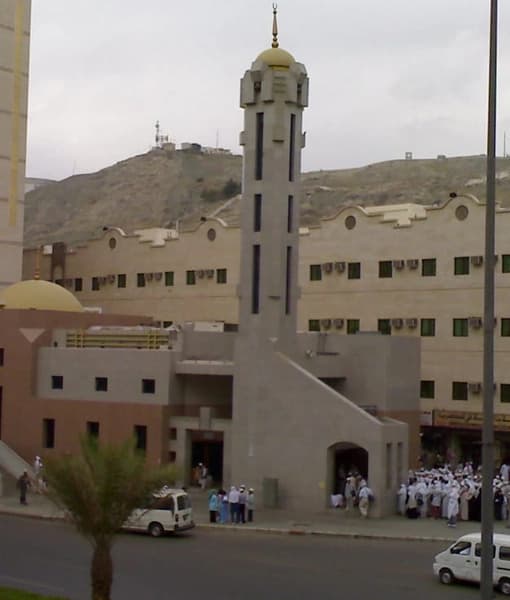
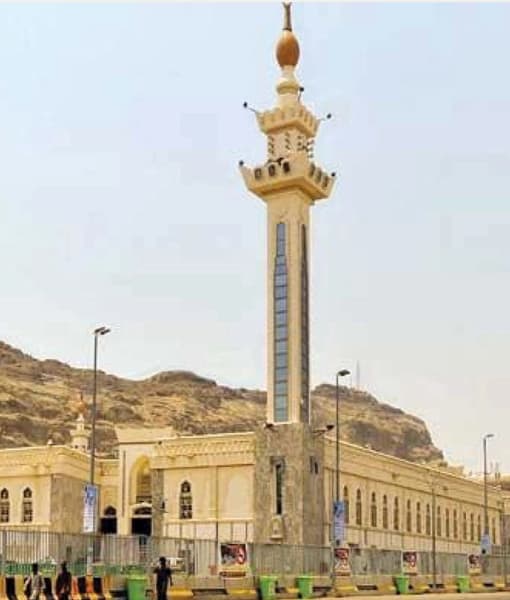
Masjid al-Fath is a historic mosque in Al-Jumum, traditionally identified with the place where Prophet Muhammad ﷺ prayed during the journey that led to the “Conquest of Makkah.” The area was historically known as Marr al-Zahran, a valley north of Makkah and...
Historical Significance
Masjid al-Fath is a historic mosque in Al-Jumum, traditionally identified with the place where Prophet Muhammad ﷺ prayed during the journey that led to the “Conquest of Makkah.” The area was historically known as Marr al-Zahran, a valley north of Makkah and an important stopping place on the route from Madinah. Its importance comes from its connection with the final approach to Makkah in the eighth year after the Hijrah. The Messenger of Allah ﷺ arrived with a large Muslim army, but the purpose was not presented as ordinary conquest or personal revenge. The events that followed combined planning, restraint, changed political circumstances, and the return of the Sacred City to Islam. For visitors exploring Islamic heritage near Makkah, the mosque helps explain the geography of the campaign. It also reminds pilgrims that major changes in history can begin with disciplined preparation, wise leadership, and mercy shown at the moment of victory.
HISTORICAL BACKGROUND
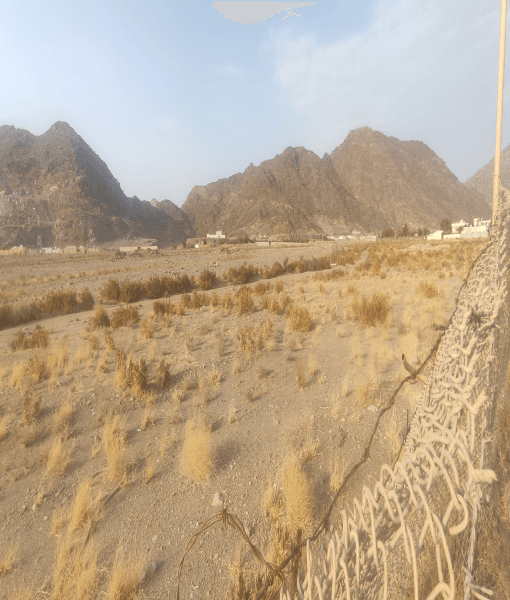
Marr al-Zahran Before the Opening of Makkah Classical geographical and pilgrimage writings identify this region as Marr al-Zahran. The site was far enough from Makkah for the Muslim army to camp before entering the city, yet close enough to control the approach. The exact identification of every later structure should be treated carefully, but historical accounts have long connected the present mosque with the Prophet’s ﷺ prayer at this location.
- Marr al-Zahran was north of Makkah.
- The route connected the holy city with western Arabia.
- Ibrahim ibn Ishaq al-Harbi is credited with an early clear mention of the site.
- The present building is later than the Prophetic period.
The Camp of the Muslim Army In Ramadan of the eighth year after the Hijrah, the Prophet ﷺ led the Muslims toward Makkah after the Quraysh-linked breach of the Treaty of Hudaybiyyah. Reports describe an army of around ten thousand. At Marr al-Zahran, the Muslims established a camp and prepared to enter Makkah with strength, order, and secrecy.
- The “Muhajirun” were Muslims who migrated from Makkah to Madinah.
- The “Ansar” were the people of Madinah who supported them.
- The army included Muslims from different tribes and communities.
- The camp lay before the final entry into Makkah.
Light Across the Valley The Prophet Muhammad ﷺ instructed the army to light many fires. The display made the Muslim force appear powerful and helped prevent unnecessary fighting by showing Makkah that resistance would be difficult. Umar ibn al-Khattab رضي الله عنه is associated with supervising the fires in historical accounts. The scene was not celebrated for spectacle; its practical purpose was to communicate strength and reduce bloodshed.
- Numerous fires were lit across the camp.
- The display affected the leaders of Makkah who came to investigate.
- Al-Abbas رضي الله عنه accompanied the Prophet ﷺ during the approach.
- The event formed part of the peaceful strategy before entry.
Abu Sufyan and the Promise of Safety Abu Sufyan ibn Harb was among the Quraysh leaders who came to learn what was happening. After accepting Islam, he returned with knowledge of the Muslim force and the Prophet’s ﷺ message. The widely reported declaration that whoever entered Abu Sufyan’s house, closed his door, or entered the Sacred Mosque would be safe became part of the measures that limited violence during the opening of Makkah.
- Abu Sufyan رضي الله عنه later became a Companion.
- Al-Abbas رضي الله عنه helped bring him before the Prophet ﷺ.
- The announcement offered several ways for people to seek safety.
- The policy reflected restraint after years of conflict.
SITE TODAY
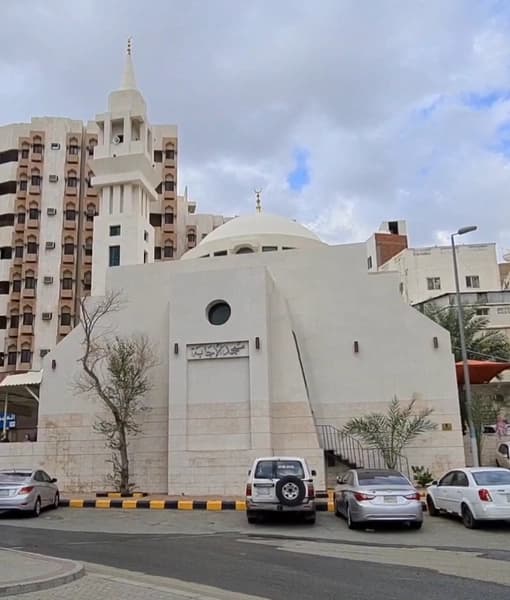
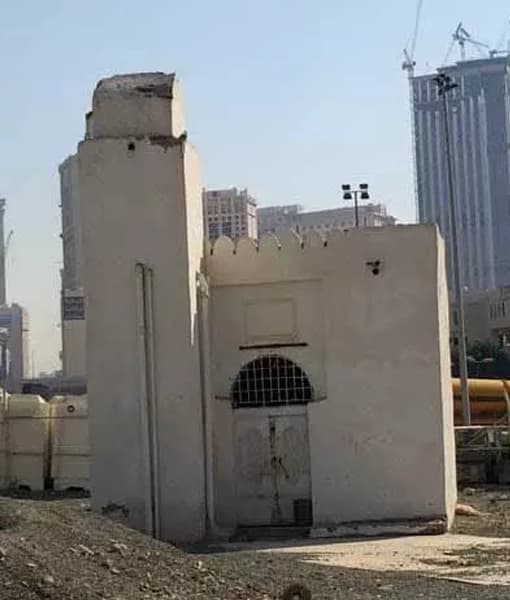
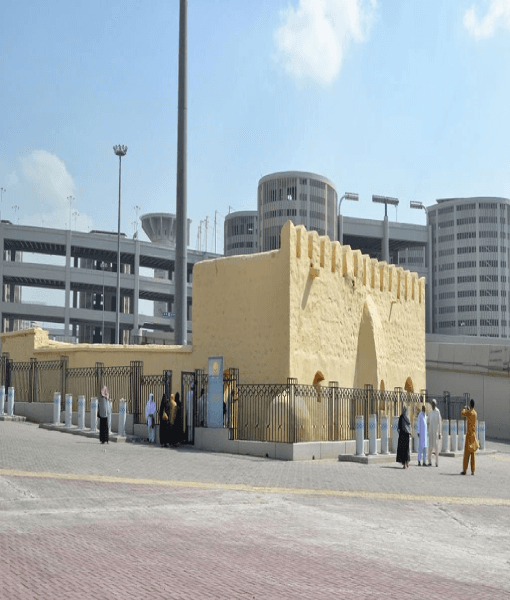
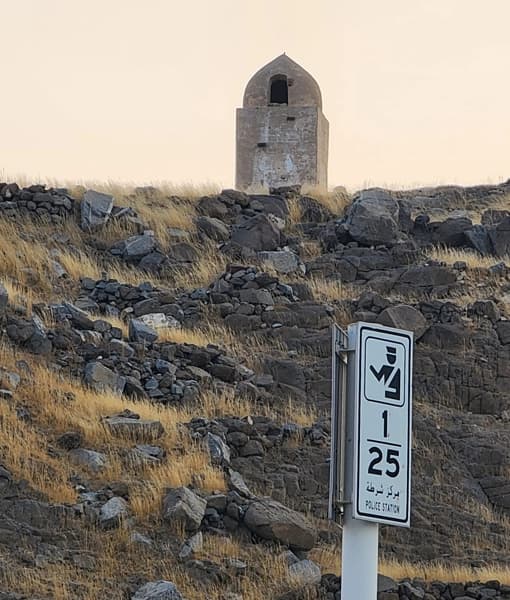
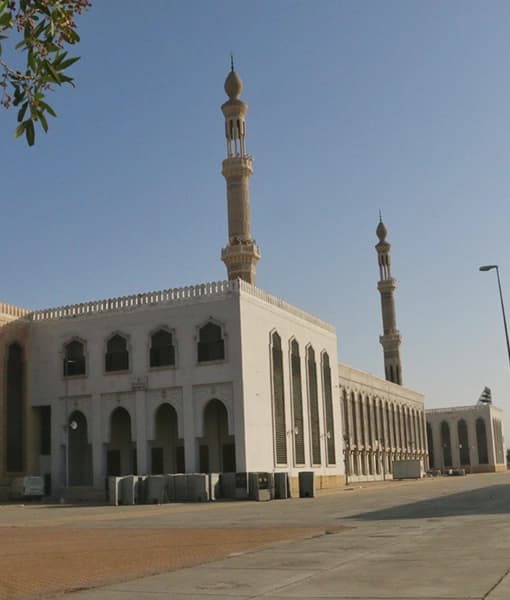
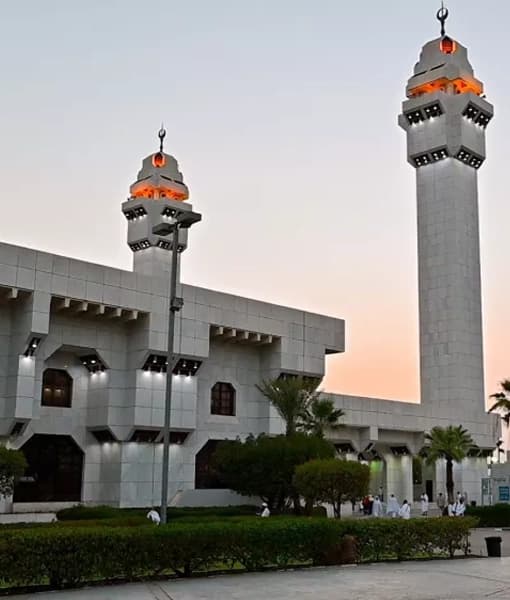
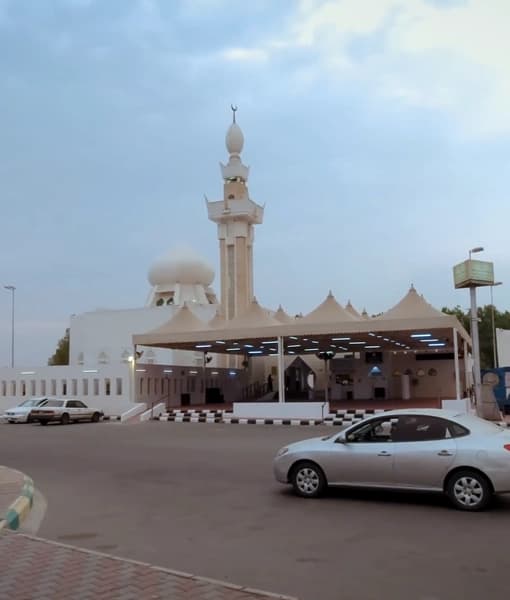
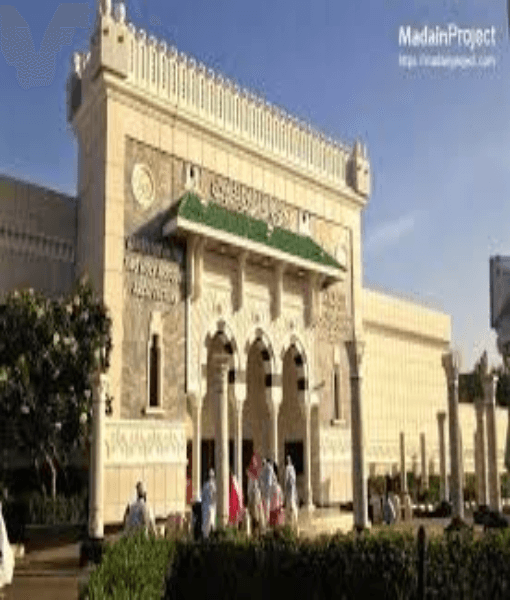
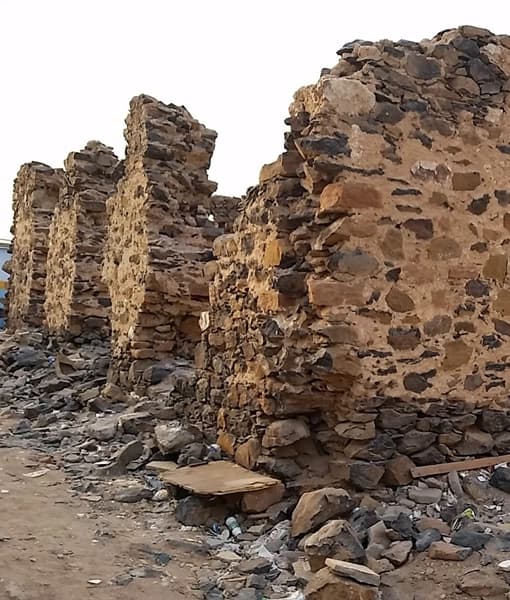
A Historic Mosque in Al-Jumum Masjid al-Fath remains a historical mosque in Al-Jumum. Its name connects it with the “Fath,” or opening, of Makkah. Visitors encounter it as a place for prayer and historical reflection, while the nearby town continues its ordinary life around this site associated with a decisive moment in the Seerah. Stone and Rebuilt Structure The mosque has experienced neglect, damage, rebuilding, and later expansion. Historical records state that only the stone prayer chamber remained after earlier destruction. A rebuilding took place in 1978, followed by renovation and expansion in 1998. The current structure is a preserved heritage building, not the unchanged mosque of the eighth year after Hijrah. Development and Capacity The mosque previously covered about 455.77 square metres, with planned development increasing the area to approximately 553.5 square metres. Heritage development plans also described an increase in capacity from 218 to 333 worshippers. Access conditions may change, so visitors should verify arrangements before arrival. Respectful Visiting Visitors should keep the mosque clean, pray only in ways permitted by local guidance, and avoid assigning unverified religious rewards to the location. The value of visiting lies in learning the history, honouring the sacred setting, and remembering how the Prophet ﷺ combined firmness with mercy. Photography and access should always follow current instructions.
WHY IT STILL MATTERS
Masjid al-Fath matters because it is associated with a moment when the Prophet Muhammad ﷺ approached the city that had opposed him and his Companions رضي الله عنهمThe army possessed strength, yet the objective was not uncontrolled revenge. Preparation, visible deterrence, safe conduct, and restraint helped make the opening of Makkah less destructive than many victorious entries in history. For modern visitors, the site offers a clear lesson: power is most worthy when guided by responsibility. Remembering Marr al-Zahran also makes the Seerah geographical and human. The road, the camp, the waiting, and the decisions before entry were real stages in an event that changed Makkah forever.
FREQUENTLY ASKED QUESTIONS
Where is Masjid al-Fath located? It is in Al-Fath neighbourhood of Al-Jumum Governorate, Makkah Province, about 260 metres from the Makkah–Madinah road and approximately twenty-five kilometres north of the Sacred Mosque. Why is Masjid al-Fath important? Historical accounts associate its location with the Prophet Muhammad’s ﷺ prayer and the Muslim camp at Marr al-Zahran before the Conquest of Makkah in the eighth year after Hijrah. Can visitors visit the mosque? Visitors may enquire locally first about access and prayer arrangements. No separate official fixed visiting hours were confirmed in the available heritage information, and current development may affect entry