Gallery 1 Images
Site Information
About This Site
Historical Significance The First Meeting at al-Aqabah
Historical Significance
Historical Significance
The First Meeting at al-Aqabah The story begins during the pilgrimage seasons, several years before the Hijrah. Prophet Muhammad ﷺ was still in Makkah, calling people to Islam under growing opposition. A group of men from Yathrib, coming for Hajj, met him ﷺ in a secluded spot near Mina.
- This first meeting is known as the "First Pledge of al-Aqabah."
- Six men from Yathrib accepted Islam and promised to worship Allah alone.
- They returned to Yathrib as the first carriers of Islam to that city.
- This moment opened the door for Islam to take root beyond Makkah.
The Pledge That Changed History The following year, a larger group from Yathrib returned. They met the Prophet ﷺ again at al- Aqabah, this time with a deeper commitment. This is known as the "Second Pledge of al- Aqabah," and it is the event most strongly associated with Masjid al-Bay'ah.
- Around seventy-five men and two women from Yathrib pledged allegiance to the
Prophet ﷺ.
- They promised to protect him ﷺ as they would their own families if he came to their city.
- Abbas ibn Abd al-Muttalib, the Prophet's uncle, was present and spoke to ensure the seriousness of the pledge.
- This agreement directly led to the Hijrah and the establishment of the first Islamic society in Madinah.
A Pledge of Protection, Not Just Belief Unlike the first pledge, which focused mainly on faith and worship, the second pledge was also about protection and support. The people of Yathrib understood that accepting the Prophet ﷺ meant accepting risk, responsibility, and sacrifice.
- They pledged to defend the Prophet ﷺ against any enemy.
- They committed to stand with him ﷺ in peace and war.
- They promised to uphold Islamic morals and reject idolatry.
- Their loyalty became the foundation of the bond between the Muhajirun and the
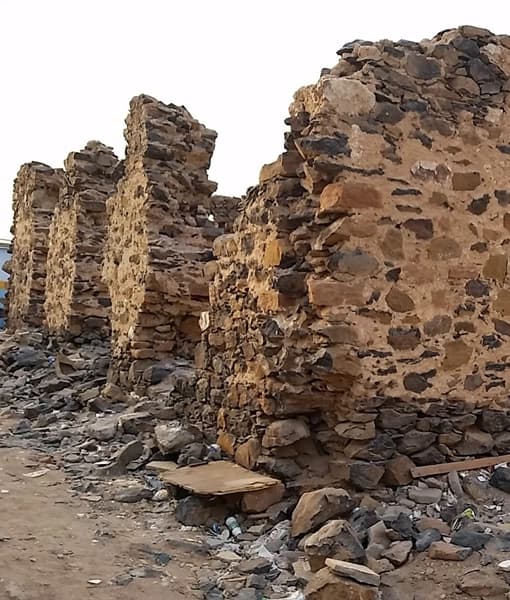
Ansar. From a Secret Meeting to a Named Mosque For many years, the site remained a remembered location rather than a built structure. Later historical accounts report that a mosque was constructed here to mark the event.
- The Abbasid Caliph Abu Ja'far al-Mansur ordered a mosque to be built at this site in
144 AH (761 CE).
- It became known as Masjid al-Bay'ah, "the Mosque of the Pledge."
- Classical historians and local Makkah traditions preserved the identification of this spot with the Pledge of al-Aqabah.
- Over time, the area around it became associated with the Ansar, hence the name Sha'b al-Ansar.
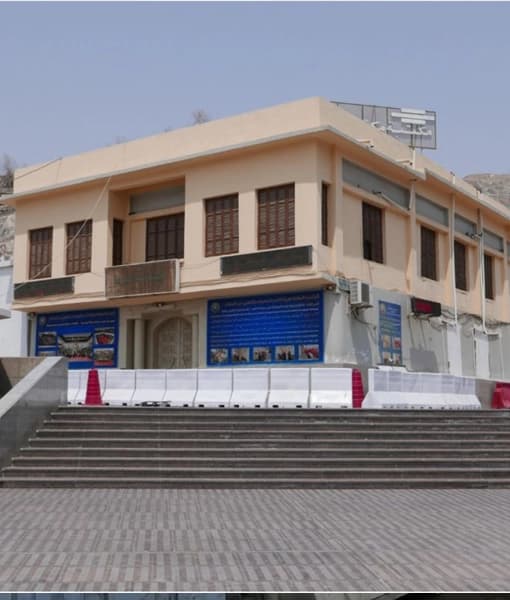
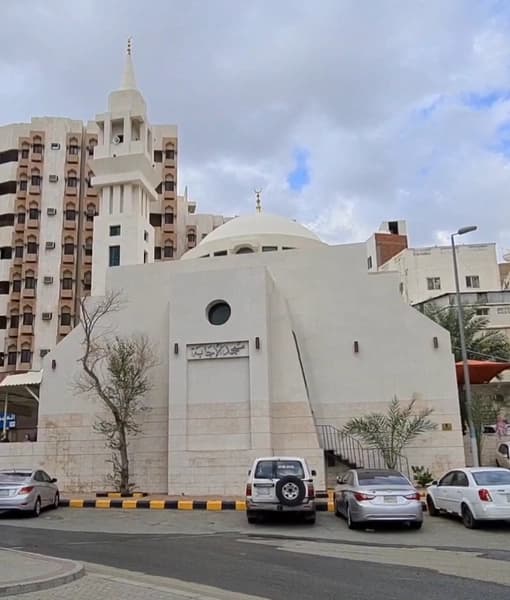
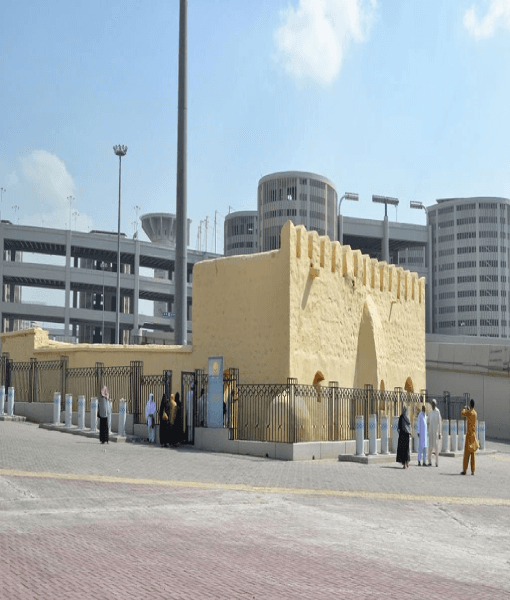
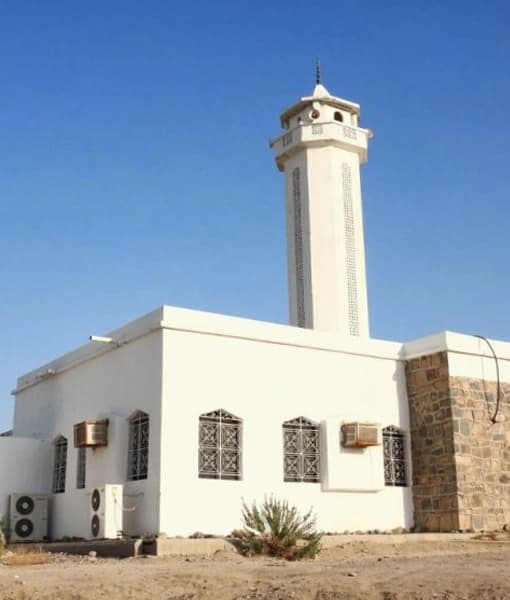
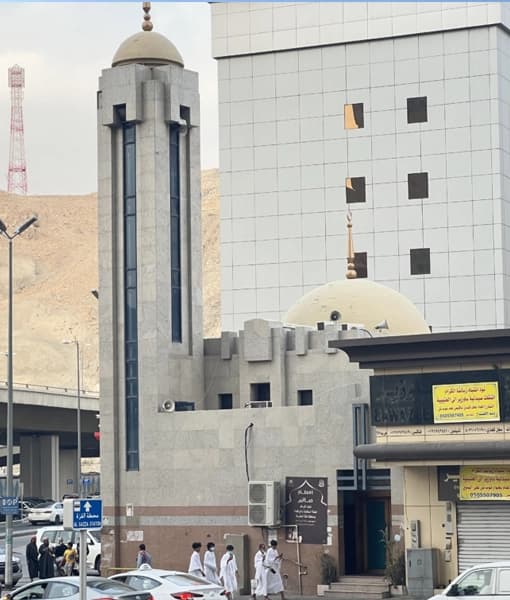
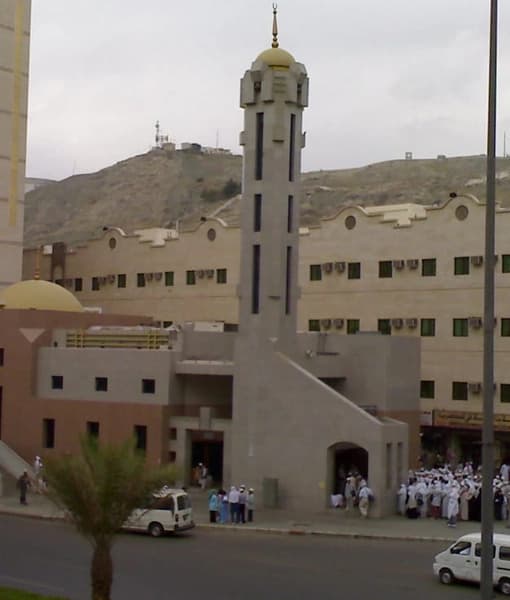
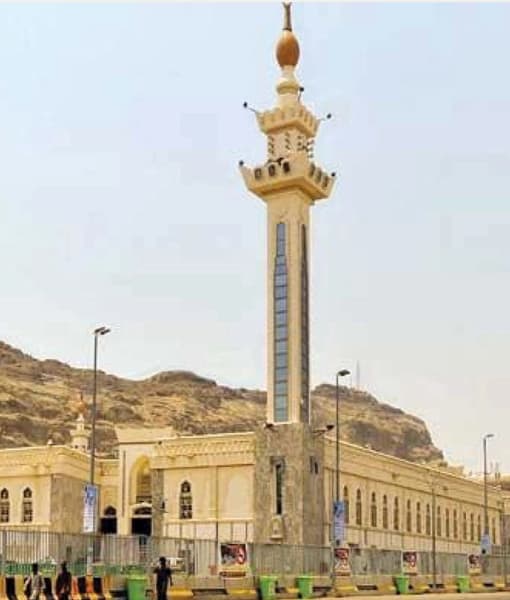
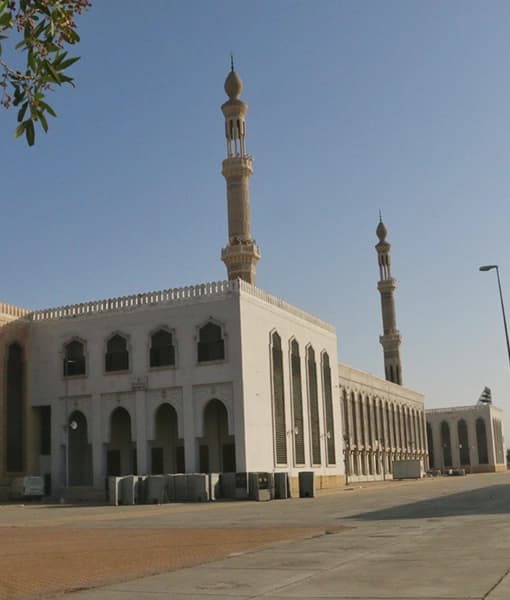
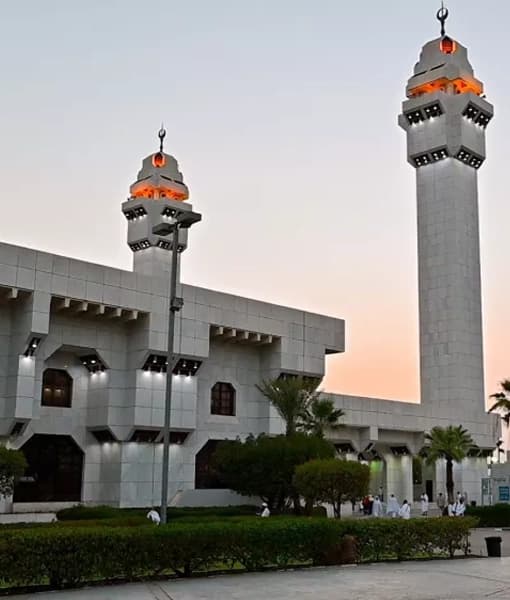
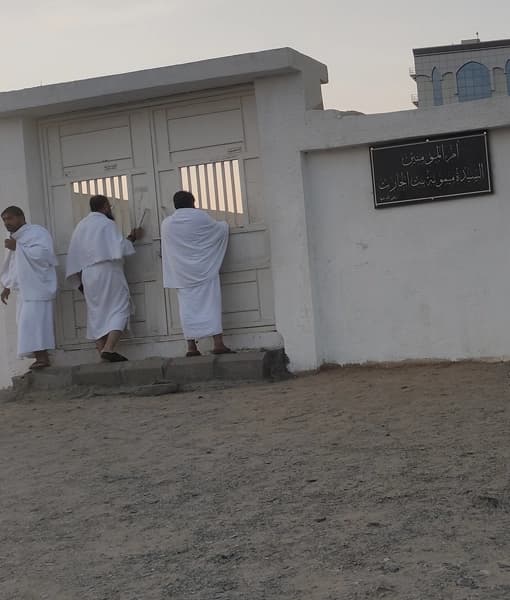
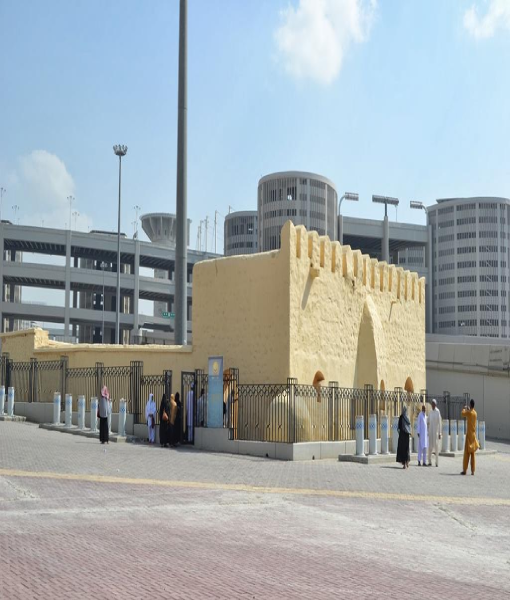
The Site Today Today, Masjid al-Bay'ah is a modest, historically styled mosque that has been carefully preserved as part of Saudi Arabia's heritage initiatives. While small in size, it carries immense historical weight and remains accessible to pilgrims, especially during the Hajj season when Mina is open to visitors. Key points for pilgrims and visitors:
- What remains: The mosque stands on the traditionally identified site associated with the Pledges of al-Aqabah and the early Ansar.
- What has changed: Any earlier, simpler structures have been replaced by a restored mosque with basic facilities for prayer and visitation.
- What can be seen: Visitors can see a small, peaceful mosque near Jamrat al-Aqabah, with clear signage marking its historical importance.
- Access: The area falls within Mina. Access is easiest during Hajj; outside the season, entry may be restricted by Saudi authorities.
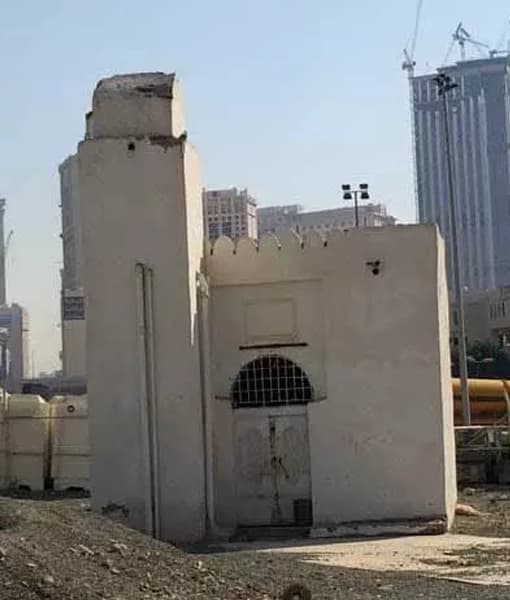
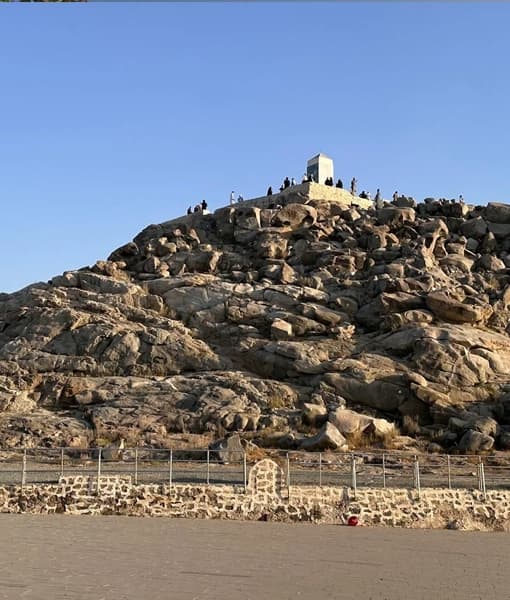
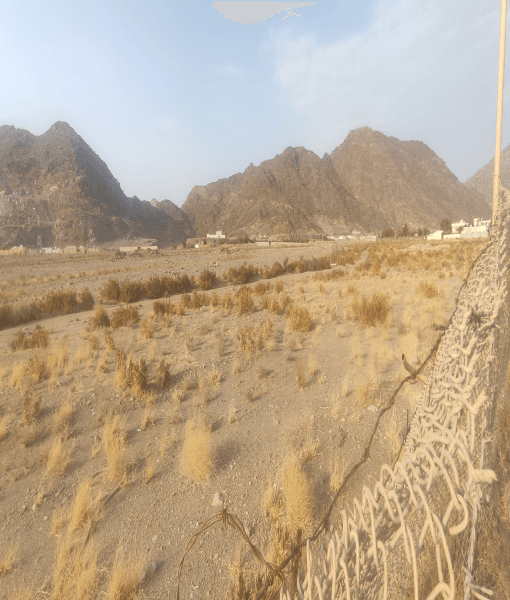
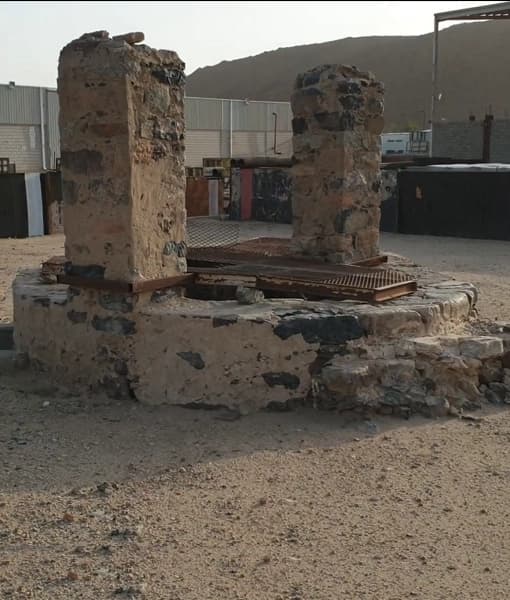
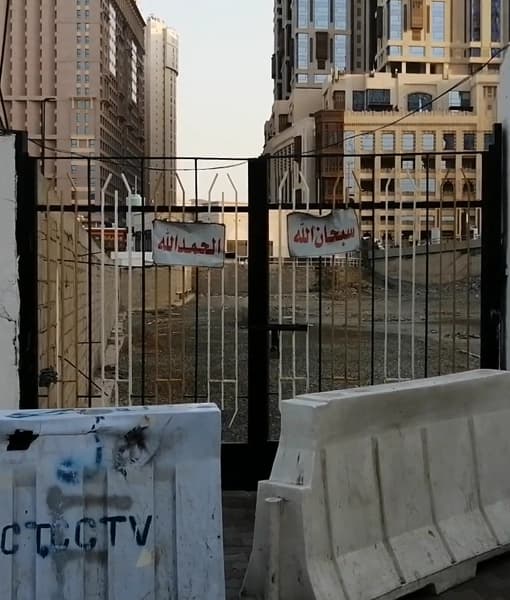
Physical Appearance Today The structure is simple, with a small prayer hall and courtyard. It sits at the base of Jabal Thubayr, close to the Jamarat area. The mosque has been restored as part of Saudi efforts to preserve historical mosques. Its appearance emphasizes historical identity over modern grandeur. Historical Remains and Structures No original structure from the time of Prophet Muhammad ﷺ remains at this site. The current mosque is a later construction on the traditionally identified location. The first known mosque here dates to the Abbasid period, under Caliph al-Mansur. The building has undergone repairs and renovations over the centuries. Modern Development and Surroundings The landscape around Masjid al-Bay'ah has changed significantly due to modern Hajj infrastructure. The mosque is near the Jamarat Bridge and the expanded Mina valley facilities. Roads, barriers, and pilgrim flow systems have altered the immediate environment. Despite this, the mosque remains identifiable as a distinct historical landmark. Access for Visitors Masjid al-Bay'ah is accessible, especially during Hajj, when large numbers of pilgrims move through Mina. It is approximately 300 meters from Jamrat al-Aqabah. Visitors can reach it on foot when moving between Jamarat and other Mina sites. Outside Hajj, access to Mina may be restricted by Saudi authorities. Why Pilgrims Still Visit Masjid al-Bay'ah remains meaningful because it is inseparable from the story of the Pledges of al-Aqabah and the Hijrah. For those performing Hajj or Umrah, the mosque symbolises:
- The continuity of the Ansar's pledge from the time of the Prophet ﷺ to today.
- The moral and spiritual themes of loyalty, sacrifice, and support for Islam.
- The unity of the Ummah that grew from that small group in Yathrib.
- The physical link between Makkah, Mina, and the birth of the first Islamic society in
Madinah. Even for those who only pass by, its presence near the Jamarat serves as a powerful reminder of the promise that changed history. Frequently Asked Questions What is Masjid al-Bay'ah and why is it important? Masjid al-Bay'ah marks the site of the First and Second Pledges of al-Aqabah, where people from Yathrib pledged allegiance to Prophet Muhammad ﷺleading to the Hijrah and the establishment of the Islamic society in Madinah. Where is Masjid al-Bay'ah located in relation to the Jamarat? It is at the base of Jabal Thubayr in Sha'b al-Ansar, about 300 meters from Jamrat al-Aqabah, near the Jamarat Bridge in Mina. Can visitors pray in Masjid al-Bay'ah today? Yes, the mosque is open for prayer and visitation, especially during Hajj; outside the Hajj season, access to Mina may be restricted by authorities.