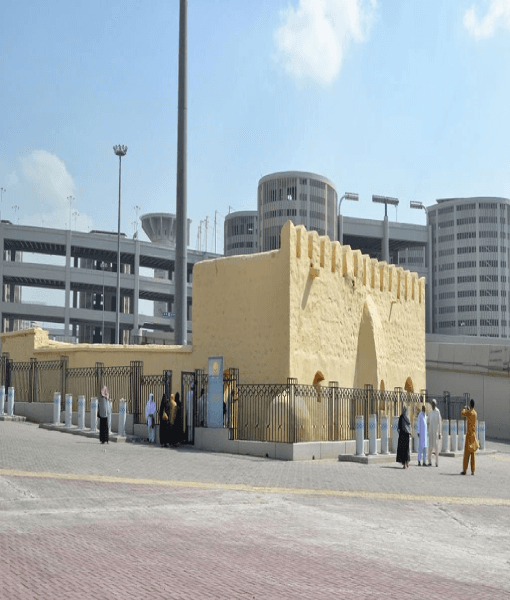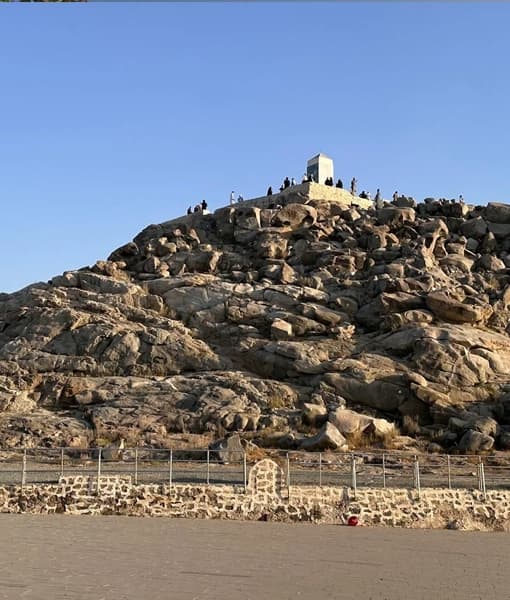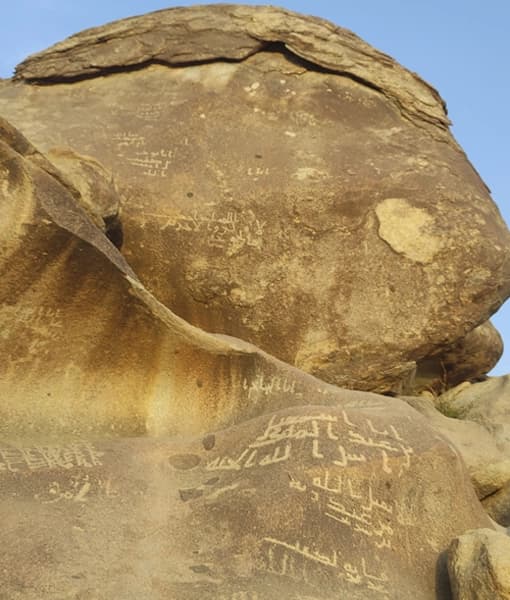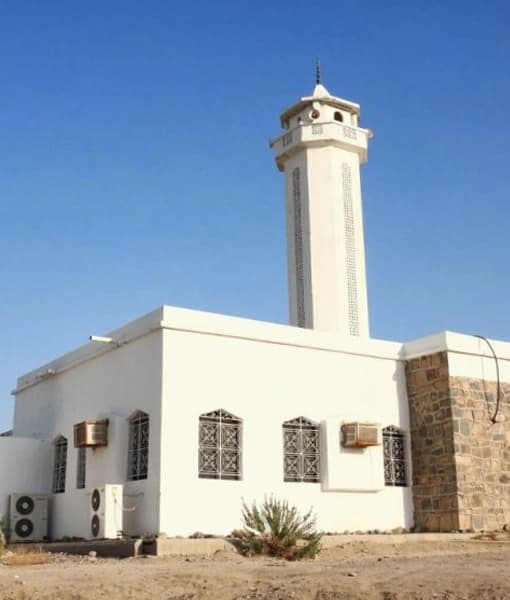
Gallery 1 Images

Site Information
About This Site
Historical Significance The Farewell Pilgrimage and the Prophet’s ﷺ Camp In 10 AH (632 CE), our beloved Prophet Muhammad ﷺ performed the “Farewell Pilgrimage” (Hajjat al-Wada’). Historical accounts report that on the 9th of Dhul Hijjah, he stopped in Wadi...
Historical Significance
Historical Significance
The Farewell Pilgrimage and the Prophet’s ﷺ Camp In 10 AH (632 CE), our beloved Prophet Muhammad ﷺ performed the “Farewell Pilgrimage” (Hajjat al-Wada’). Historical accounts report that on the 9th of Dhul Hijjah, he stopped in Wadi Uranah, near the area later known as al-Namirah, before proceeding to the plain of Arafat. This stop was not random. The Prophet ﷺ used this location as a resting and preparation point before standing at Arafat, the central rite of Hajj. Classical historians and Sirah works describe this as the place where he camped briefly, received people, and prepared for the address that would follow. While the exact spot of his camp is known through traditional reports rather than archaeological proof, the identification of this general area with al-Namirah has been consistently maintained in Islamic historical literature. The Farewell Sermon: A Message for All Time From the vicinity of al-Namirah and the plain of Arafat, the Messenger of Allah ﷺ delivered what became known as the “Farewell Sermon”. Authentic Hadith collections preserve key parts of this address, in which he:
- Declared the sanctity of life, property, and honour.
- Prohibited usury (riba) and pre-Islamic blood feuds.
- Taught that all believers are equal, with no superiority except through taqwa (God- consciousness).
At the end, he asked the Companions (RA) whether he had conveyed the message. They replied, “Yes, by Allah.” He then raised his finger towards the sky and said, “O Allah, bear witness,” repeating it three times. This moment, connected with the area of al-Namirah and Arafat, sealed the completion of the religion. Why the Mosque Was Built Here Masjid al-Namirah was later constructed to mark this historically significant location. Its name comes from the area, “al-Namirah”, within Wadi Uranah. Over time, as Hajj infrastructure developed, the mosque became the designated place from which the Imam of Masjid al-Haram delivers the Arafat sermon. The mosque’s role is therefore not primarily as a local neighbourhood mosque, but as a ceremonial and ritual landmark tied to the Hajj. Its presence ensures an organised, unified point for the Khutbah and the combined prayers on the Day of Arafah. Connection with the Wider Hajj Rituals The significance of Masjid al-Namirah cannot be separated from the rites of Hajj. The Day of Arafah is the pinnacle of the pilgrimage, and the Prophet ﷺ said, “Hajj is Arafat.” Standing in Arafat between midday and sunset on the 9th of Dhul Hijjah is the essential obligation of Hajj. Masjid al-Namirah supports this rite by:
- Serving as the location for the official Arafat sermon.
- Providing a focal point for the combined and shortened Dhuhr and Asr prayers.
- Helping organise the massive gathering of pilgrims across the plain.
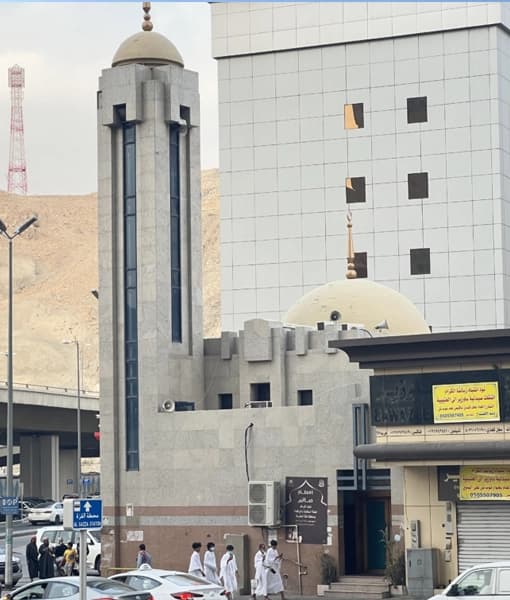
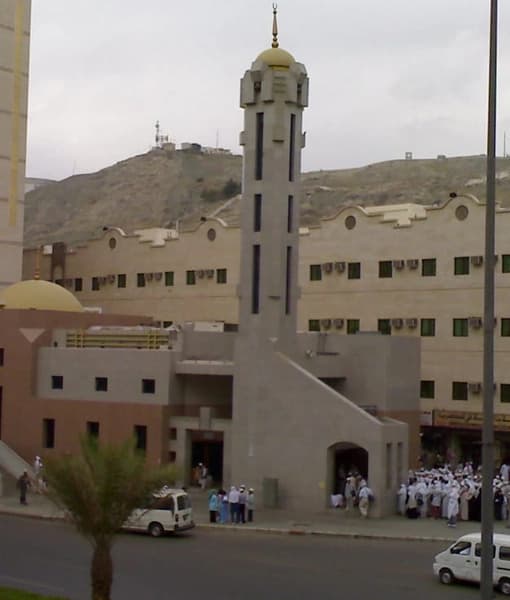
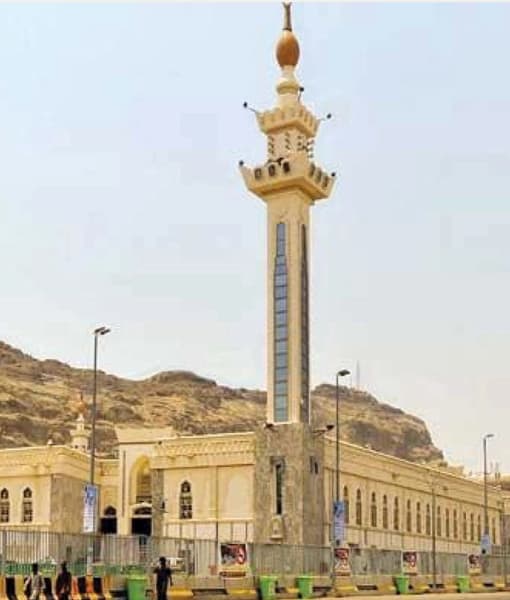
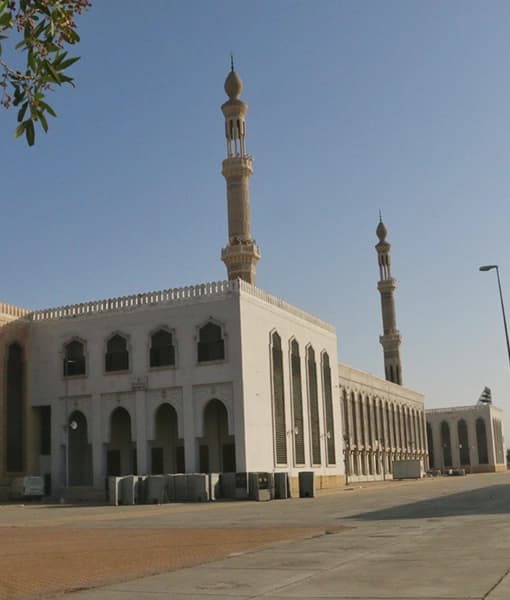
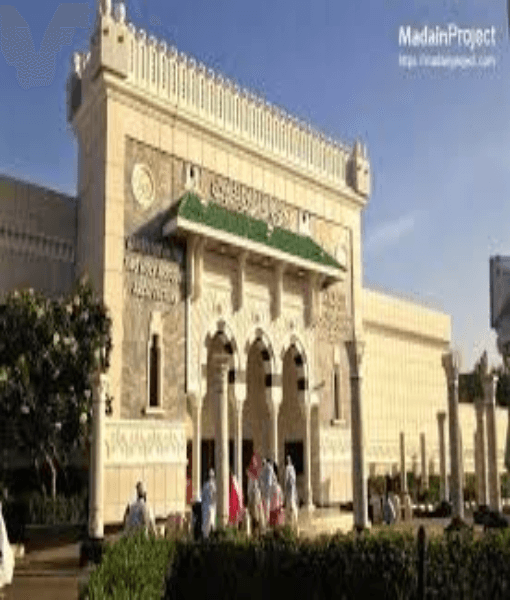
A Mosque That Speaks Once a Year Masjid al-Namirah carries a unique distinction: it effectively “comes alive” for one major congregational prayer each year. On the Day of Arafah, the entire Muslim world turns its attention to this mosque as the Khateeb delivers the sermon that echoes the words of the Noble Prophet ﷺ. For the rest of the year, the mosque stands largely silent, closed to general visitors. This rarity adds to its gravity. It is not a place of daily routine, but a historical marker that awakens annually to remind the Ummah of its origins, its duties, and its unity. The Site Today Today, Masjid al-Namirah is a large, modern mosque complex built to accommodate the enormous crowds of the Day of Arafah. The structure is a recent development, designed to serve the logistical and ritual needs of contemporary Hajj. Key points for pilgrims and visitors:
- What remains: The mosque stands on the traditionally identified site associated with the Prophet’s ﷺ camp and the early sermons at Arafat.
- What has changed: Any earlier, simpler structures have been replaced by a spacious, modern mosque with extensive facilities.
- What can be seen: On the Day of Arafah, pilgrims can see the mosque in use for the sermon and combined prayers. Outside Hajj, the mosque is generally closed and can often only be viewed from a distance.
- Access: The area falls within the restricted Hajj zone. Outside the season, access is limited or not permitted by Saudi authorities.
Why Pilgrims Still Remember Masjid al-Namirah Masjid al-Namirah remains meaningful because it is inseparable from the story of the Farewell Pilgrimage and the final public address of the Messenger of Allah ﷺFor those performing Hajj, the mosque symbolises:
- The continuity of the Arafat ritual from the time of the Prophet ﷺ to today.
- The moral and spiritual themes of the Farewell Sermon.
- The unity of the Ummah gathered on the plain of Arafat.
Even for those who do not enter the mosque, its presence on the edge of Arafat serves as a powerful reminder of the completion of Islam and the responsibilities that came with it. Frequently Asked Questions What is the significance of Masjid al-Namirah in Islamic history? Masjid al-Namirah marks the area in Wadi Uranah where our beloved Prophet Muhammad ﷺ camped before delivering his Farewell Sermon at Arafat, making it a key landmark of the Hajj ritual on the Day of Arafah. Can visitors go to Masjid al-Namirah outside the Hajj season? No, the mosque is generally closed to the public outside the Hajj season; access to the Arafat area is restricted, and the mosque is primarily used only on the 9th of Dhul Hijjah for the sermon and combined prayers. Do pilgrims have to pray inside Masjid al-Namirah during Hajj? No, it is not required to pray inside the mosque; the essential obligation is to stand anywhere within the boundaries of Arafat on the 9th of Dhul Hijjah, while the mosque serves as the official site for the Arafat sermon and combined Dhuhr–Asr prayer.