Gallery 1 Images

Site Information
About This Site
Historical Significance The Encounter Between Prophet Muhammad ﷺ and the Jinn The most significant event associated with this site is the encounter between Prophet Muhammad ﷺ and a group of jinn who came to hear him recite the Qur'an. According to authentic...
Historical Significance
Historical Significance
The Encounter Between Prophet Muhammad ﷺ and the Jinn The most significant event associated with this site is the encounter between Prophet Muhammad ﷺ and a group of jinn who came to hear him recite the Qur'an. According to authentic Islamic sources, this meeting occurred during a time when the Prophet ﷺ was facing intense opposition from the Quraysh in Makkah. Despite the hardships, he continued to deliver the message of Allah, and his recitation reached not only human ears but also the jinn, who were deeply moved by what they heard.
- The event is referenced in Surah al-Jinn (Chapter 72) of the Qur'an.
- The jinn listened to the Prophet's ﷺ recitation and immediately accepted Islam.
- This encounter demonstrates the universal reach of the Qur'anic message.
The Revelation of Surah al-Jinn Surah al-Jinn, the 72nd chapter of the Qur'an, was revealed in connection with this event. The surah begins with the jinn declaring that they heard a remarkable recitation that guided them to faith. This revelation affirmed that the message of Islam was not limited to humanity alone but extended to all of Allah's creations, including the unseen world of the jinn.
- Surah al-Jinn opens with the jinn's testimony of hearing the Qur'an.
- The surah emphasizes guidance, faith, and accountability for all beings.
- It highlights the jinn's acceptance of Islam and their warning to their own people.
- The revelation reinforced the Prophet's ﷺ mission as a messenger to all creations.
The Role of Abdullah ibn Mas'ud (RA) Some historical accounts mention that Abdullah ibn Mas'ud (RA), a close companion of Prophet Muhammad ﷺwas present during this encounter. The Prophet ﷺ instructed him to stay within a marked boundary while he went to meet the jinn. This detail, though reported in various narrations with differing levels of authenticity, adds a human dimension to the story and underscores the trust between the Prophet ﷺ and his companions.
- Abdullah ibn Mas'ud (RA) is mentioned in several narrations about this event.
- The Prophet ﷺ drew a line and instructed him not to cross it.
- This companionship highlights the close relationship between the Prophet ﷺ and his
Sahaba.
- The story emphasizes obedience and trust in the Prophet's ﷺ guidance.
Alternative Names and Historical Identity Over the centuries, Masjid al-Jinn has been known by several names, each reflecting a different aspect of its history. It is called Masjid al-Haras because it was associated with the chief of the guard who would stop there at the end of his patrols. It is also referred to as Masjid al-Bayah, commemorating the pledge of allegiance made by the jinn. These names preserve the layered history of the site and its multiple connections to Islamic heritage.
- Masjid al-Haras refers to its association with the guards of Makkah.
- Masjid al-Bayah commemorates the jinn's pledge of allegiance to the Prophet ﷺ.
- The multiple names reflect the site's rich historical identity.
- Each name preserves a different dimension of the mosque's legacy.
The Mosque's Construction and Historical Development Historical sources indicate that the mosque was originally built in the early 3rd century AH, several generations after the Prophet's ﷺ time. It underwent multiple phases of demolition and reconstruction over the centuries, reflecting the changing needs of the Muslim community and the development of Makkah as a city. Despite these changes, the site's identity as the place associated with the jinn's acceptance of Islam has remained constant.
- The original structure dates to the early 3rd century AH.
- The mosque was rebuilt and renovated multiple times throughout history.
- Its identity as the site of the jinn's conversion has been preserved across generations.
- The mosque stands as a testament to the enduring memory of this event.
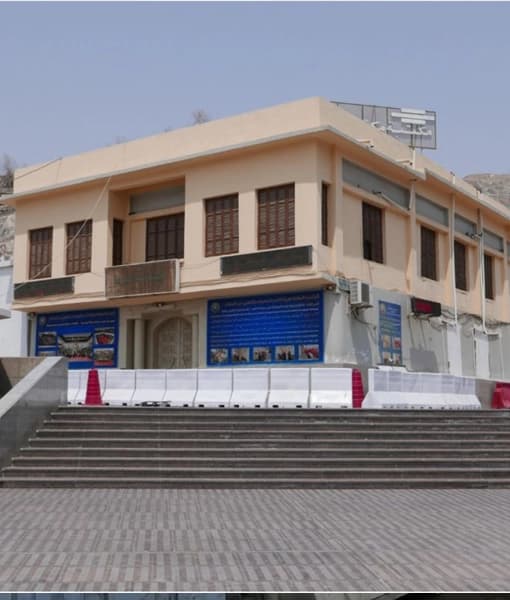
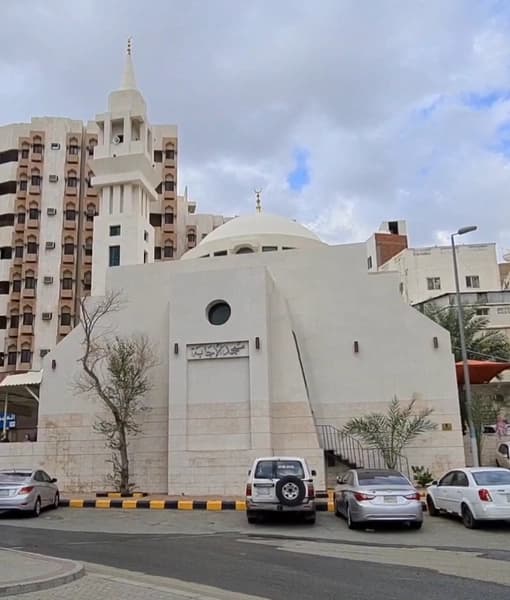
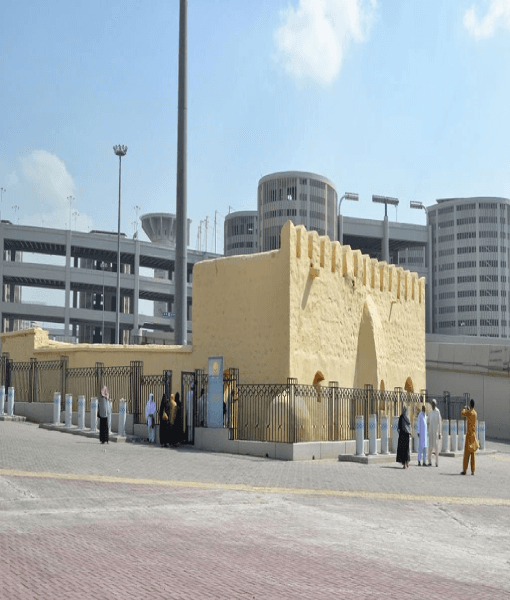
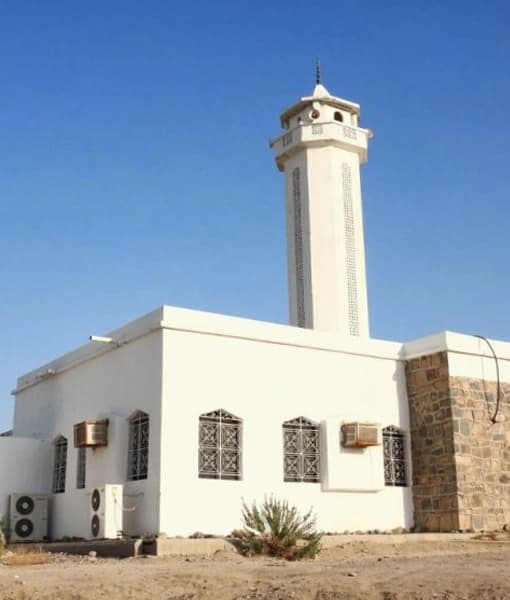
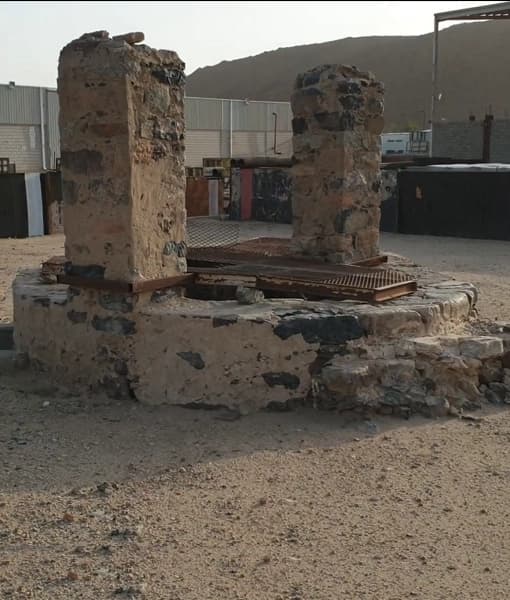
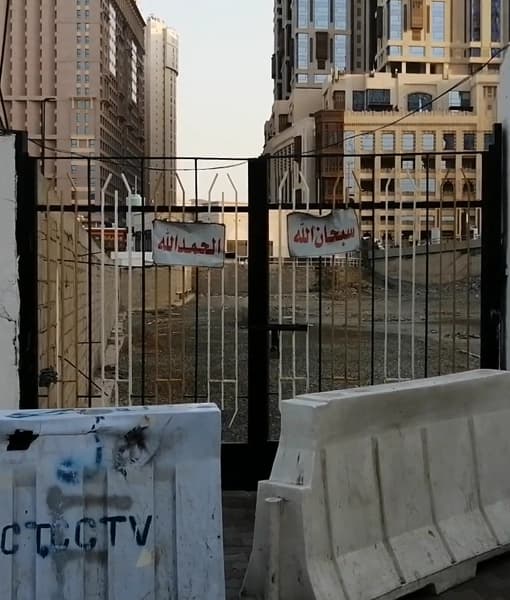
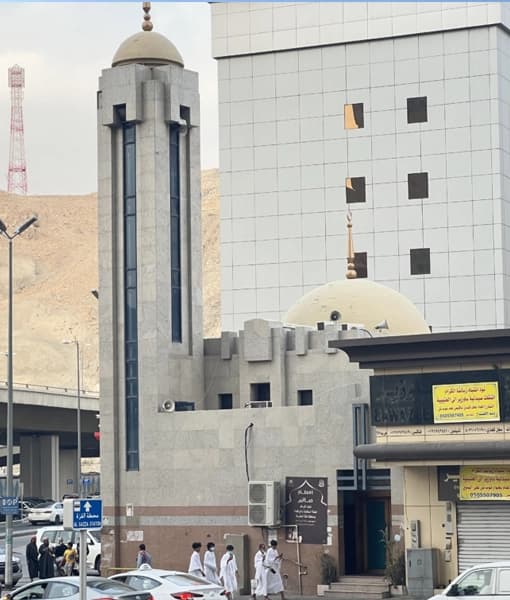
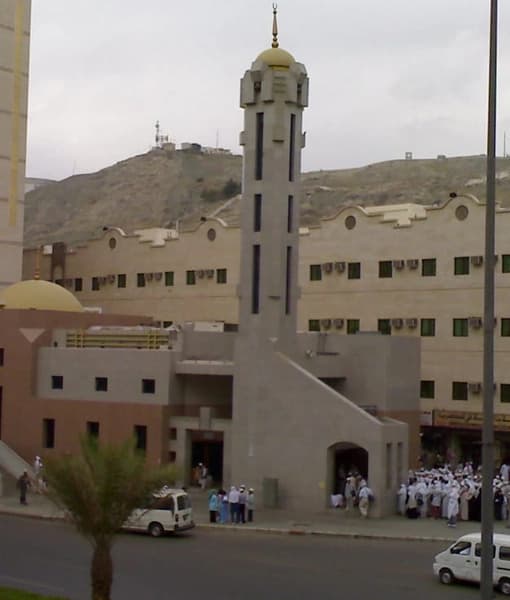
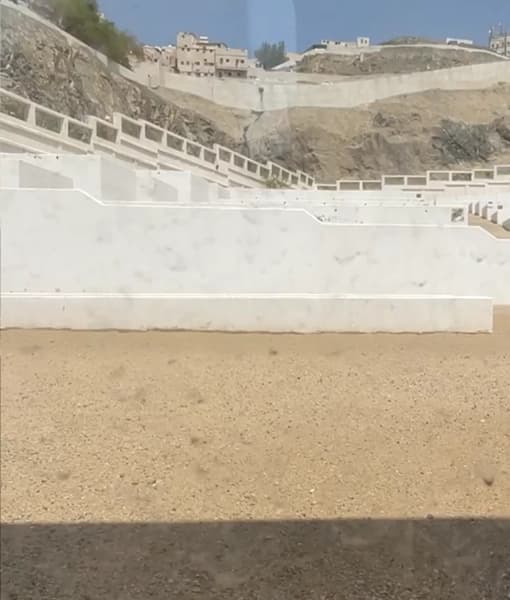
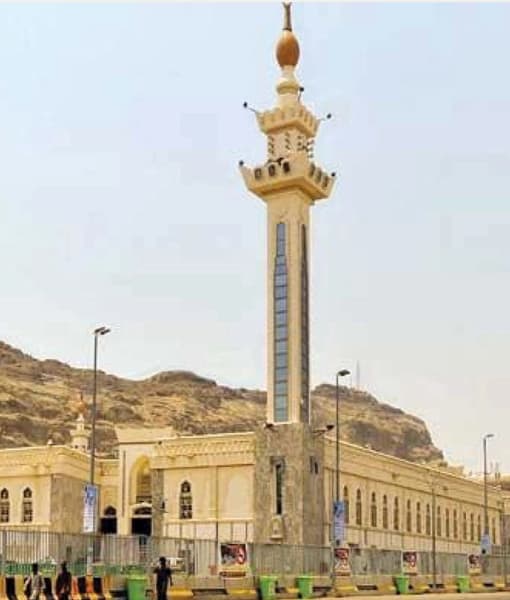
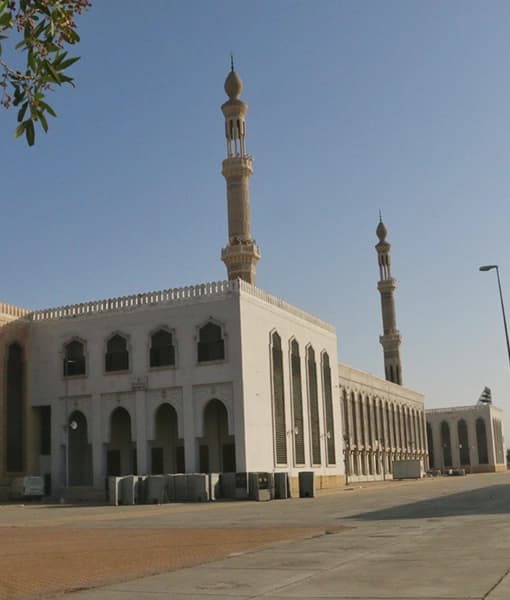
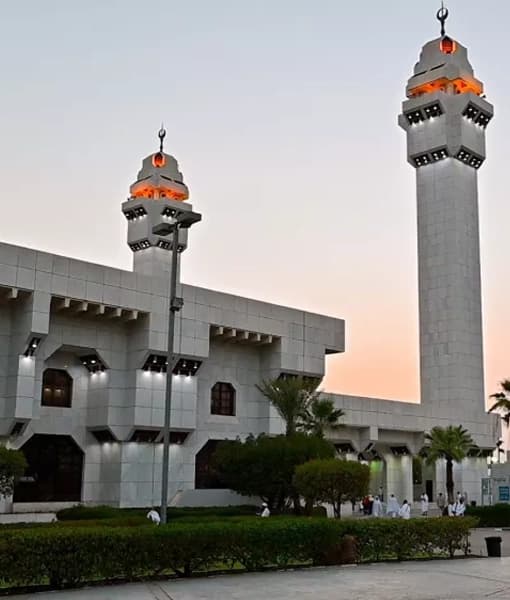
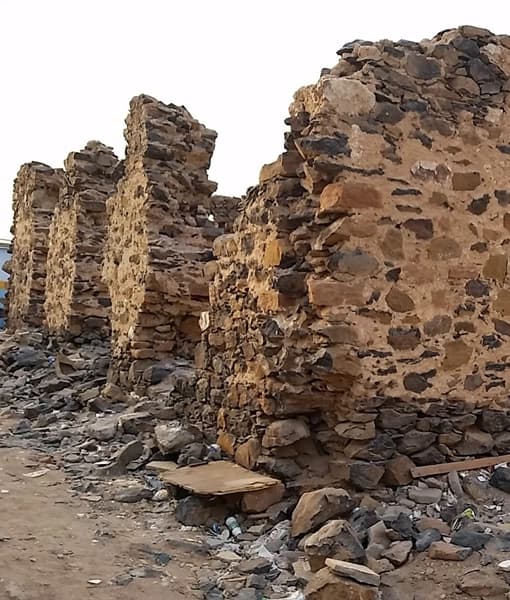
The Site Today Physical Appearance Today Masjid al-Jinn is a modest, well-maintained mosque with simple architecture. It is not large but is designed to accommodate worshippers comfortably. The structure reflects respect for its historical significance without elaborate decoration. Historical Remains and Structures No original structures from the time of Prophet Muhammad ﷺ remain at this site. The current mosque is a later construction on the traditionally identified location where the encounter with the jinn took place. Modern Development and Surroundings The area around Masjid al-Jinn has developed significantly with Makkah's expansion. It is now located on a main road near Jannat al-Mualla cemetery, surrounded by modern buildings and infrastructure, yet it remains a distinct landmark. Access for Visitors Masjid al-Jinn is freely accessible to Muslim visitors during prayer times. It is approximately a 15 to 20 minute walk from Masjid al-Haram or a short drive by taxi or car. What Visitors Should Expect Visitors should approach Masjid al-Jinn as a place of prayer and reflection. There are no special rituals or prescribed du'as associated with this mosque. It should be treated like any other mosque, with respect and humility. Why Pilgrims Still Visit Pilgrims visit Masjid al-Jinn to connect with the story of the jinn's acceptance of Islam and to reflect on the universal message of the Qur'an. This mosque stands as a unique reminder that faith transcends the visible world and that Allah's guidance reaches all of His creations. For many visitors, Masjid al-Jinn becomes a place of spiritual curiosity and reflection. Standing where the jinn once pledged allegiance to Prophet Muhammad ﷺ inspires a deeper appreciation for the power of the Qur'an and the breadth of the Prophet's ﷺ mission. It is a reminder that Islam is not confined to human beings alone but is a message for all of creation.
- To remember the jinn's acceptance of Islam and their pledge to Prophet Muhammad
ﷺ.
- To reflect on the universal reach of the Qur'anic message.
- To appreciate the depth and breadth of Allah's creation.
- To renew one's own connection with faith through this unique historical episode.
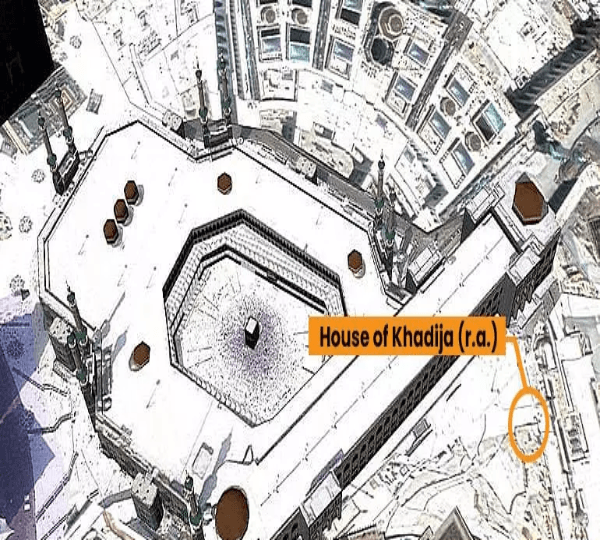
Frequently Asked Questions What is the significance of Masjid al-Jinn? Masjid al-Jinn commemorates the event where a group of jinn heard Prophet Muhammad ﷺ reciting the Qur'an, embraced Islam, and pledged their allegiance to him, an event referenced in Surah al-Jinn. Where is Masjid al-Jinn located in Makkah? It is in the Al-Hajun area, east of Jannat al-Mualla cemetery, approximately 900 meters to 1.5 kilometers north of Masjid al-Haram in Makkah, Saudi Arabia. Can visitors pray at Masjid al-Jinn today? Yes, the mosque is open 24 hours for prayer and is accessible to Muslim visitors throughout the year during prayer times.