Gallery 1 Images

Site Information
About This Site
Historical Significance Geography and Early History of Wadi al-Usaylah
Historical Significance
Historical Significance
Geography and Early History of Wadi al-Usaylah Wadi al-Usaylah is part of the system of valleys that surround Makkah, channels that historically carried seasonal rainwater and shaped travel routes. In pre-Islamic and early Islamic times, such wadis were crucial for:
- Guiding caravans and travellers between settlements.
- Providing natural pathways for migrations and journeys.
- Influencing where people camped, rested, or established temporary settlements.
The name "al-Usaylah" suggests a smaller or subsidiary valley, possibly linked to a larger wadi system. Historical sources about specific events in Wadi al-Usaylah are limited, and much of what is known comes from its geographical context rather than detailed narratives. Connection with the Wider History of Makkah Makkah's valleys are deeply intertwined with Islamic history. They were the silent witnesses to:
- The early life of Prophet Muhammad ﷺ in and around Makkah.
- The struggles of the first Muslims under persecution.
- The movements of companions (RA) as they travelled for trade, migration, and later, conquest.
While Wadi al-Usaylah may not be directly mentioned in major classical accounts as the site of a specific battle or treaty, it forms part of the same landscape that shaped these events. Its proximity to Makkah means it likely saw the passage of people connected with the story of Islam, even if their names are not recorded in relation to this exact valley. Valleys as Spaces of Movement and Reflection In Islamic history, valleys often served as spaces of transition:
- Places where travellers paused before entering Makkah.
- Routes used during migrations, including the Hijrah to Madinah.
- Areas where armies or groups camped during significant episodes.
Wadi al-Usaylah, like other valleys around Makkah, would have been part of this network of movement. For the early Muslims, every step on this land carried meaning, whether they were fleeing harm, returning home, or journeying in the path of Allah. Limited but Meaningful Historical Record It is important to be honest about the historical record: detailed, authenticated accounts specifically naming Wadi al-Usaylah in major events are scarce. Classical Islamic historians focused more on:
- Key locations such as Makkah, Madinah, Badr, Uhud, and Hudaibiyah.
- Sites directly connected with the Prophet ﷺCompanions (RA), or major battles.
This does not diminish the value of Wadi al-Usaylah. Instead, it invites a different kind of reflection: on the many unnamed places that still played a role in the larger story of Islam, even if their details were not preserved in every text. Connection with the Natural Landscape of Revelation The valleys around Makkah are part of the same environment in which:
- The Prophet Muhammad ﷺ received revelation.
- The first Muslims prayed, struggled, and held firm to their faith.
- The message of Islam grew from a small community into a global faith.
Wadi al-Usaylah shares in this sacred geography. While it may not be the site of a specific miracle or battle, it is still part of the land that Allah chose for the beginning of the final message to humanity. Echoes of Faith in a Quiet Valley There is a special beauty in places like Wadi al-Usaylah. They do not shout their importance; they whisper it. For those who walk through such valleys with a heart aware of Islamic history, the silence itself becomes meaningful. Visitors may reflect on:
- The countless footsteps of believers who passed through similar valleys.
- The hardships and hopes carried by those early Muslims.
- The continuity of faith from the time of the Prophet ﷺ to today.
- The way ordinary landscapes can hold extraordinary spiritual resonance.
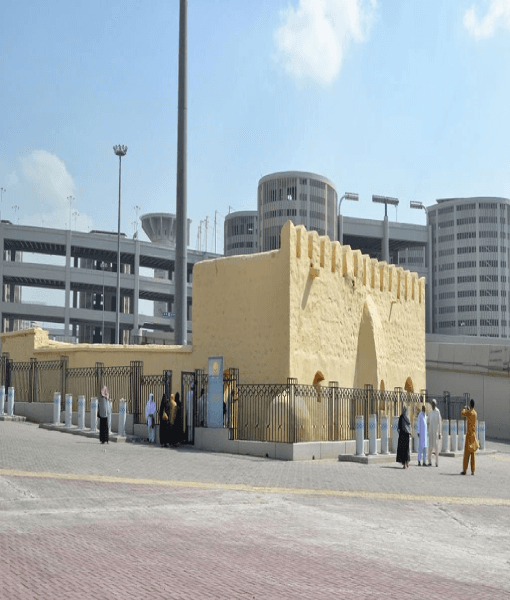
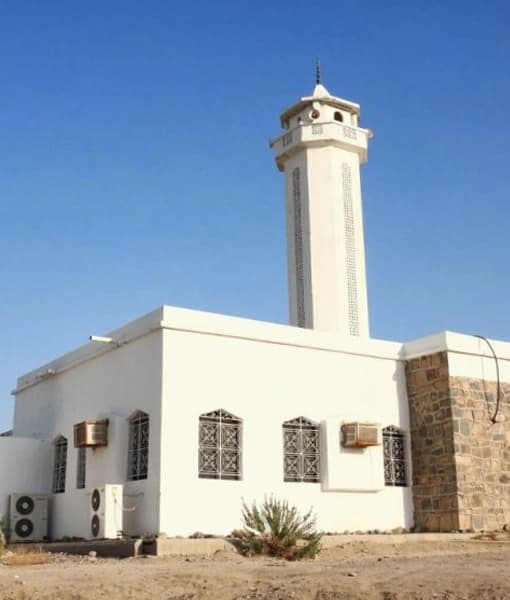
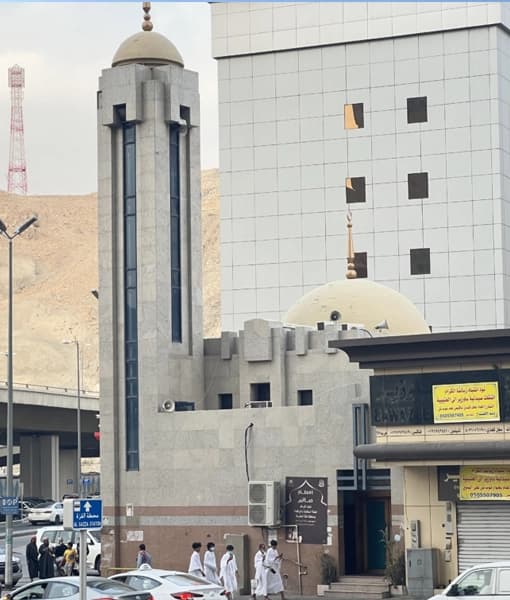
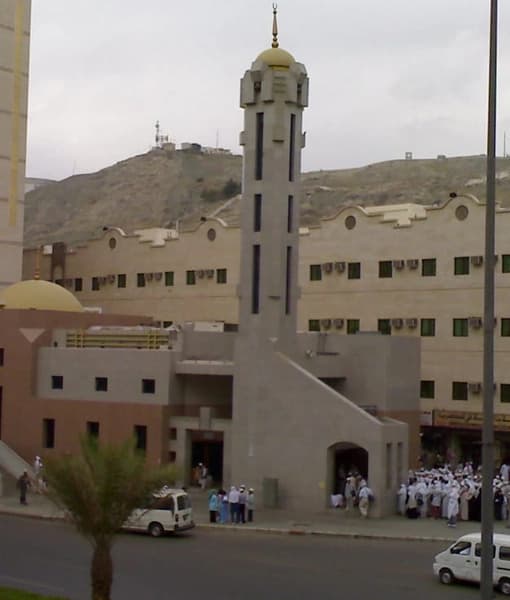
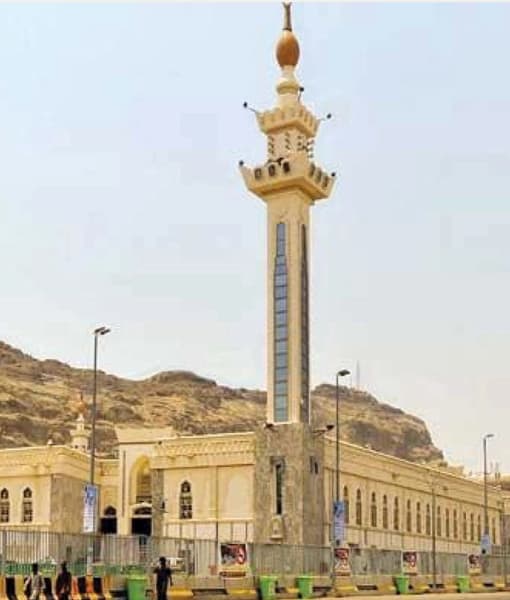
The Site Today Wadi al-Usaylah today exists as part of the developed urban and semi-urban landscape of Makkah, blending natural valley terrain with modern infrastructure. It is not a fenced, ticketed, or formally managed historical site, and there are no official visiting hours or dedicated visitor facilities. Key points for visitors:
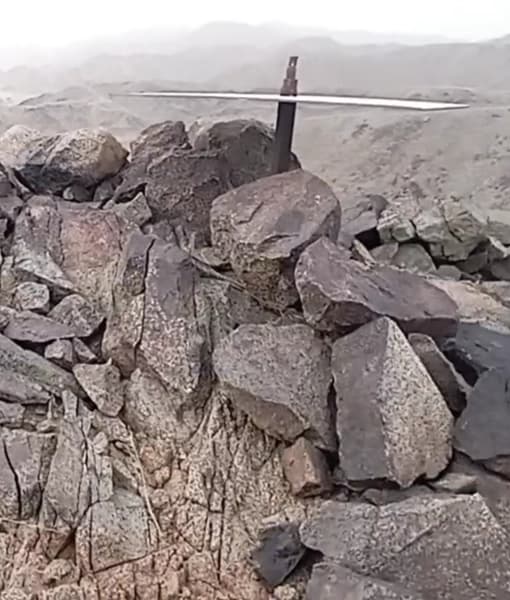
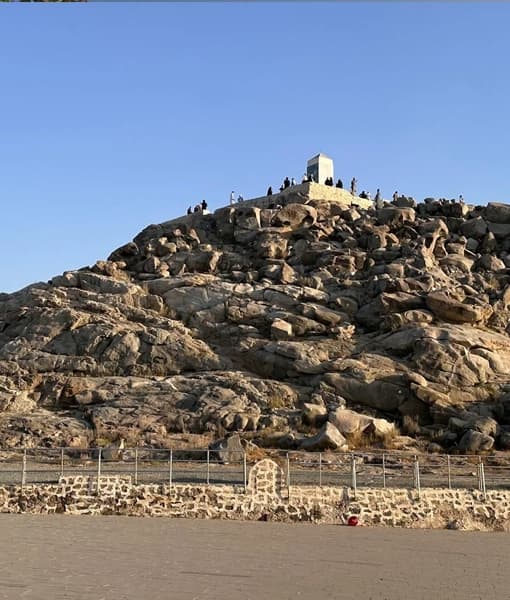
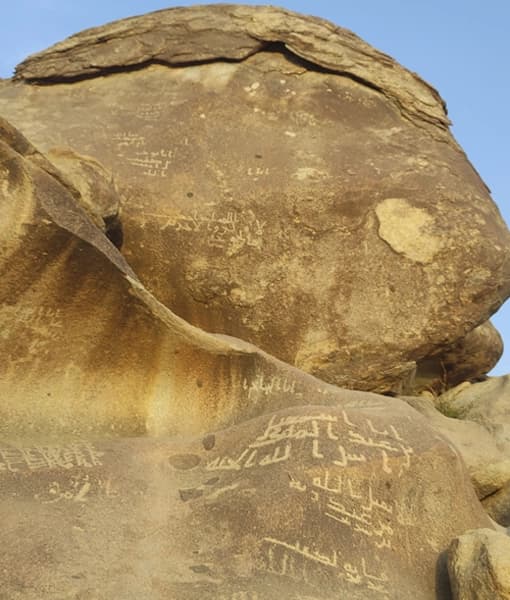
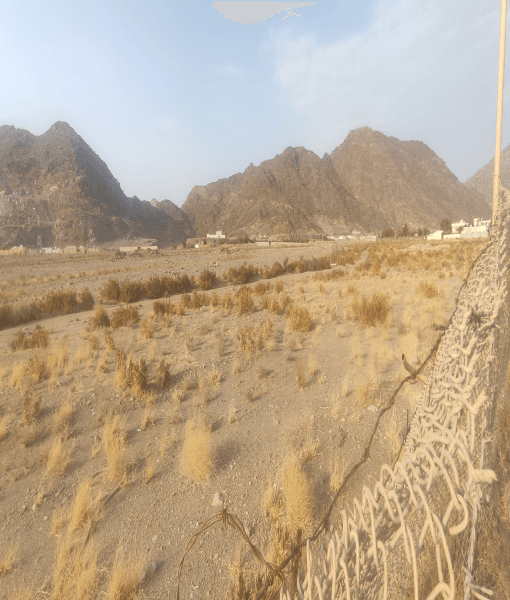
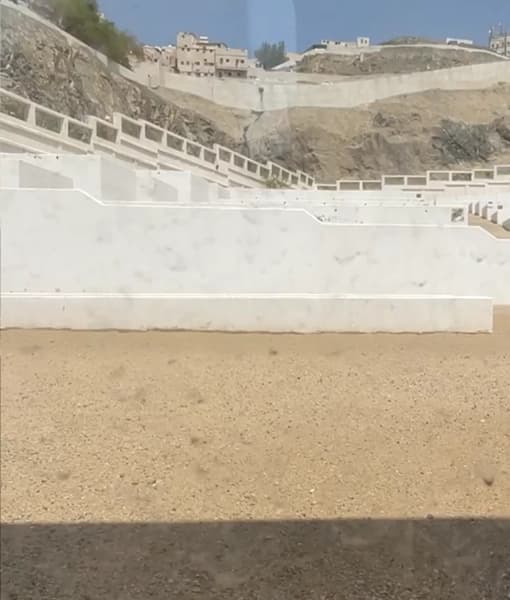
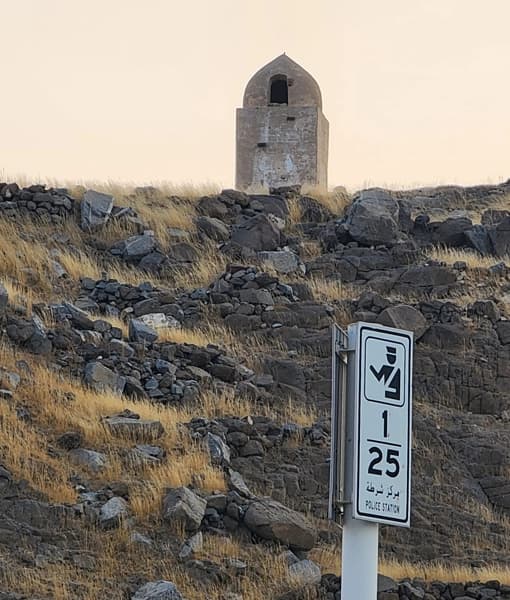
- Open valley area: The site remains largely an open geographical space, with rocky outcrops, dry riverbeds, and typical Makkah valley vegetation, rather than a built-up monument or museum.
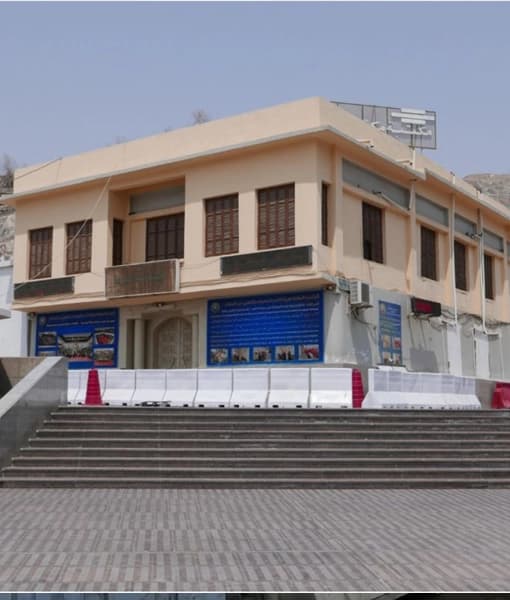
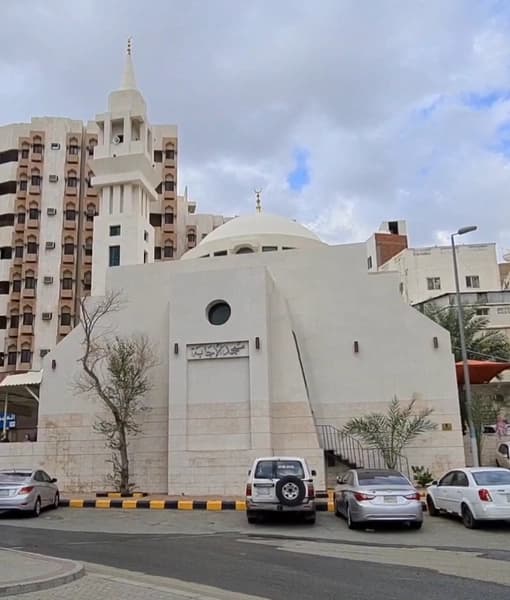
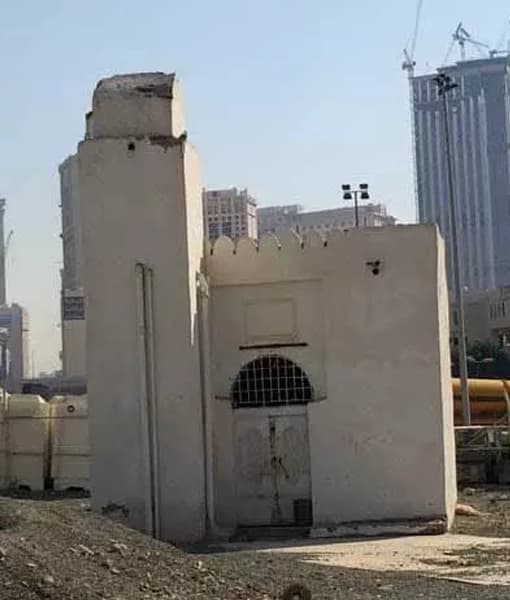
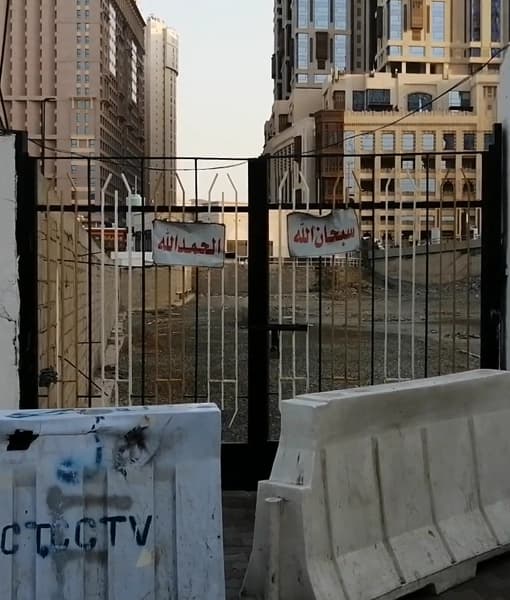
- Modern development impact: Some sections of the valley and its approaches have been affected by new roads, housing projects, and other infrastructure linked to
Makkah's expansion.
- No preserved early Islamic structures: There is no single, clearly identified building or relic in Wadi al-Usaylah itself that is universally recognised as the location of a specific Prophetic event.
- Visitor experience: Do not expect signage, restrooms, guided tours, or a marked
“Ziyarat point.” The area is best approached as a historical and geographical space within the wider Makkah region, valued for its connection to Islamic heritage rather than specific visible relics. Why Pilgrims Still Visit For pilgrims interested in Islamic historical sites and Ziyarat in Makkah, Wadi al-Usaylah offers:
- A chance to connect with the natural landscape of early Islam.
- An opportunity to reflect on the journeys of the Prophet ﷺ and his companions (RA).
- A reminder that not all sacred history is marked by grand structures; some of it lives in the land itself.
- A deeper appreciation of Makkah beyond the Haram, as a city surrounded by valleys that witnessed the birth of Islam.
While there is no special religious ritual tied to visiting this valley, its presence enriches the pilgrim's understanding of the environment in which Islam grew and spread. Frequently Asked Questions What is Wadi al-Usaylah and where is it located? Wadi al-Usaylah is a valley area within the boundaries of Makkah Al-Mukarramah, part of the network of wadis that shape the city's geography and historical routes. Is Wadi al-Usaylah directly connected with a specific event in the life of the Prophet ﷺ? There are no widely authenticated classical accounts that tie Wadi al-Usaylah to a specific, well-documented event in the life of the Prophet ﷺits significance is more geographical and contextual within Makkah's Islamic history. Can pilgrims visit Wadi al-Usaylah as part of Makkah Ziyarat? Yes, it can be visited as an open area, but there are no fixed timings, managed facilities, or specific rituals; visitors should respect local traffic rules and safety guidelines.