Gallery 1 Images
Site Information
About This Site
Muawiyah Dam is one of the quieter but deeply meaningful Islamic historical sites in Taif. It is a place where the past is not told through words alone, but through stone, water, and the care of an early Muslim community that understood the value of...
Historical Significance
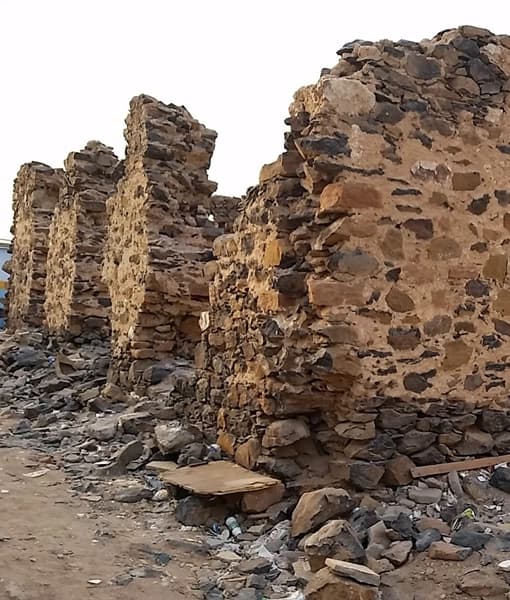
Muawiyah Dam is one of the quieter but deeply meaningful Islamic historical sites in Taif. It is a place where the past is not told through words alone, but through stone, water, and the care of an early Muslim community that understood the value of life-giving resources. For many visitors, it offers a different kind of ziyarat experience, one that connects faith with service and memory with survival. The dam is traditionally linked with Caliph Muawiyah ibn Abi Sufyan (RA) and the Umayyad period. That connection gives the site a strong place in Islamic heritage, because it shows how early Muslim leadership did not only preserve power, but also invested in public works that served people. In Taif Ziyarat, this makes the dam important in a way that is quiet, practical, and lasting. A visitor should come to Muawiyah Dam with a sense of respect for the land and for the people who shaped it. This is not a place of spectacle. Its dignity lies in endurance. It reminds us that Islamic civilization was built not only by worship and learning, but also by works that helped communities live, grow, and remain connected to their environment. Historical Significance An early Umayyad work Muawiyah Dam belongs to the early Islamic centuries and is traditionally dated to 58 AH / 677 CE. That makes it one of the older surviving structures connected with Taif. Its age matters because it helps visitors feel how early the Muslim world began building lasting public works in the Hijaz.
- The dam is associated with the Umayyad period.
- It is traditionally dated to 58 AH / 677 CE.
- It shows early Muslim attention to public benefit.
- Its survival gives Taif a direct link to early Islamic history.
Muawiyah ibn Abi Sufyan (RA) and public service The dam carries the name of Caliph Muawiyah ibn Abi Sufyan (RA), and that name preserves the memory of leadership expressed through service. In Islamic history, public works were often a sign of responsibility toward people, land, and water. This dam reflects that spirit in a simple but lasting way.
- The site is named after Muawiyah ibn Abi Sufyan (RA).
- It is linked with his caliphate and authority.
- The name reminds visitors of early state-supported construction.
- It reflects the role of leadership in serving communities.
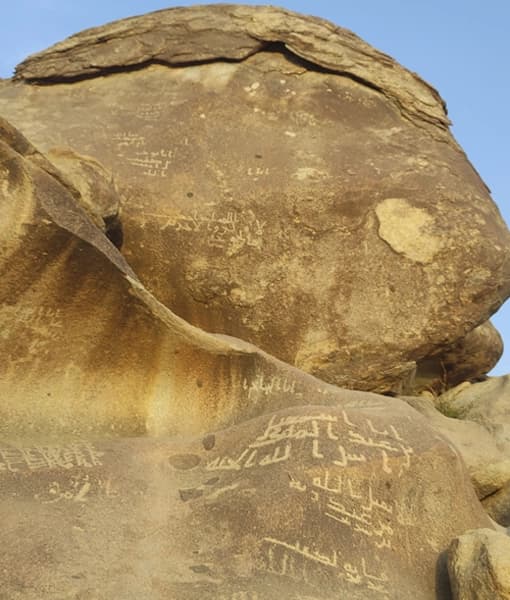
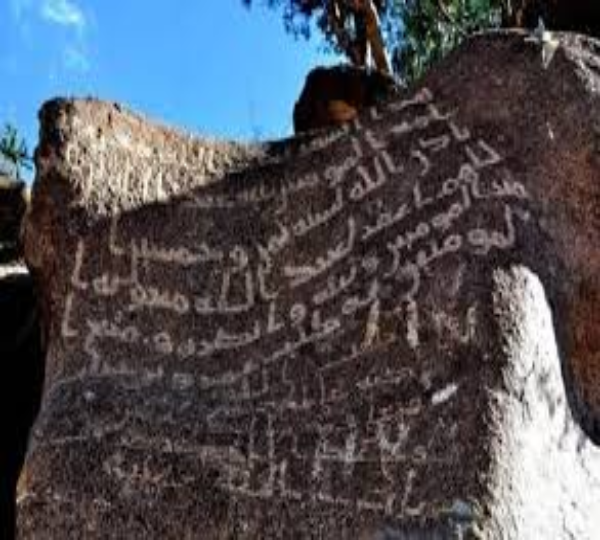
The value of the inscription One of the most important features of Muawiyah Dam is its six-line inscription. Inscriptions are precious in Islamic heritage because they keep a record of names, dates, and purpose. Here, the writing on the stone helps protect the memory of the dam from being lost to time.
- The dam has a six-line inscription.
- The inscription strengthens the historical identity of the site.
- It helps confirm the dam’s early Islamic origin.
- It turns the structure into a readable piece of heritage.
Water, valley, and human need The dam was built in Saiysad Valley to control water flowing from the surrounding mountains. This practical purpose gives the site a special kind of beauty. It shows how early Muslim builders worked with the land to meet real human needs, especially in a place where water mattered deeply.
- The dam is located in Saiysad Valley.
- It was built to control rainwater flow.
- The surrounding mountains shaped its design and use.
- The structure reflects the practical wisdom of early Islamic society.
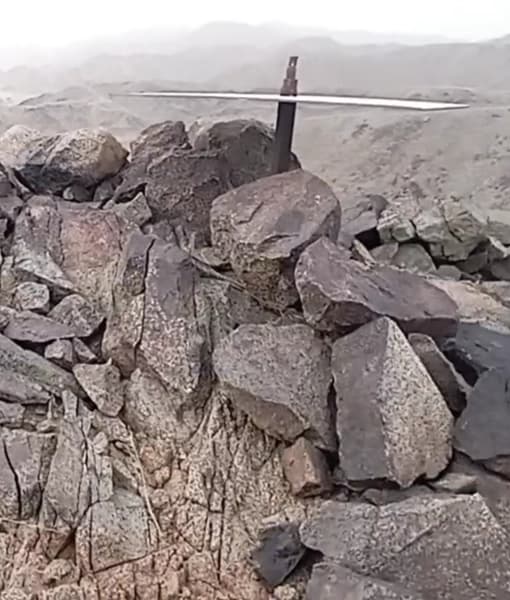
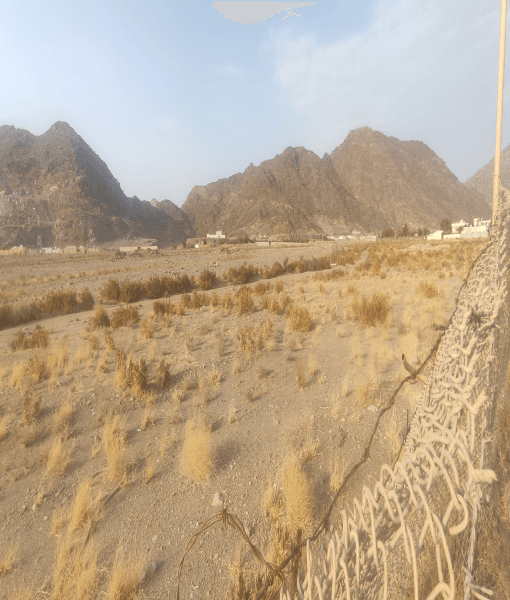
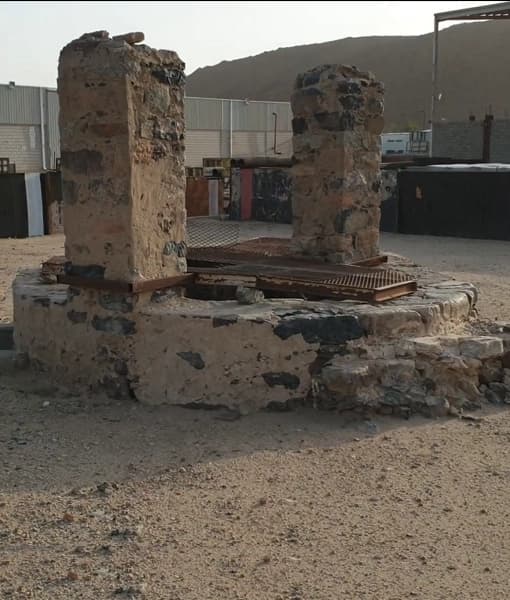
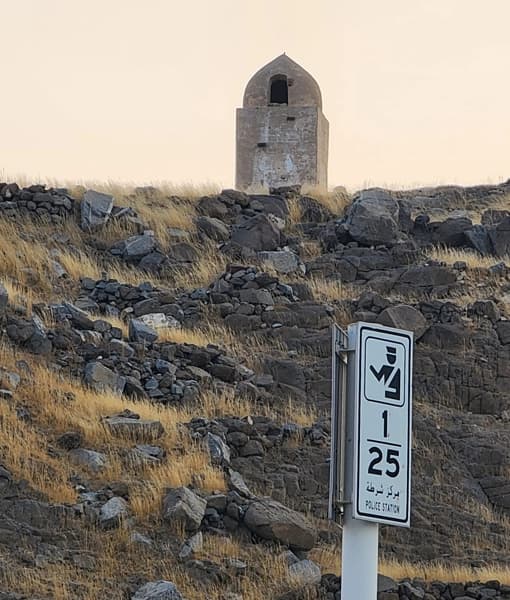
The Site Today Physical appearance today Today, Muawiyah Dam still stands as a stone structure with a calm and dignified presence. It is not large or elaborate, but its simplicity is part of its strength. Visitors see a heritage site that carries age, memory, and quiet resilience. Preservation and condition The dam is regarded as a preserved archaeological structure, though time has naturally affected it. Even so, enough remains to show its historic character. For visitors interested in Islamic heritage, this makes the site especially valuable because the past can still be felt in its shape. Surrounding landscape The dam sits within a rocky valley setting east of Taif, where the natural landscape is part of the story. The mountains, valley floor, and water channels help explain why the dam was built here. The scenery gives the site a sense of purpose and belonging. Visitor access Access is not officially fixed, and practical conditions may change. Visitors should expect an outdoor heritage site rather than a developed tourist attraction. A respectful visit here is usually quiet, reflective, and focused on observation. Why It Still Matters Muawiyah Dam still matters because it reminds visitors that Islamic history is not only found in mosques, battles, or famous journeys. It is also found in the works that quietly served people every day. A dam may seem simple at first glance, but in a dry landscape it meant protection, stability, and care. That practical mercy is part of its beauty. The site also matters because it preserves one of the early Islamic inscriptions in Taif. For students of history, that makes it a rare and valuable witness to the Umayyad period. For ordinary visitors, it offers something just as important: the chance to see that the Muslim past was built with thought, responsibility, and concern for the common good. That is a lesson worth remembering. For anyone following a Taif Ziyarat route, Muawiyah Dam adds depth to the journey. It broadens the meaning of Islamic heritage and shows that service, engineering, and public benefit also belong to the sacred memory of the region. In that sense, the dam is not only an old structure. It is a reminder that faith can be expressed through care for people and through the lasting good that remains after generations have passed. Frequently Asked Questions 1. Where is Muawiyah Dam located? It is in Taif, in the Saiysad Valley area about 8 to 12 kilometers southeast of the city. 2. Why is Muawiyah Dam important? It is an early Islamic dam from the Umayyad period, linked with Muawiyah ibn Abi Sufyan (RA) and an important inscription. 3. Can visitors go there today? Yes, but visiting hours are not officially fixed, so access may depend on local arrangemen