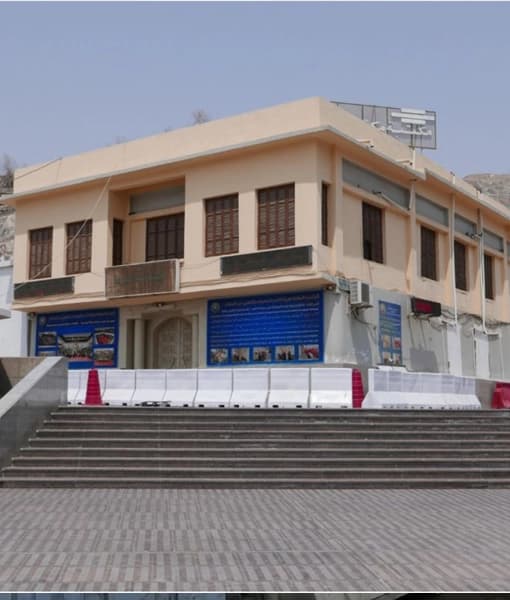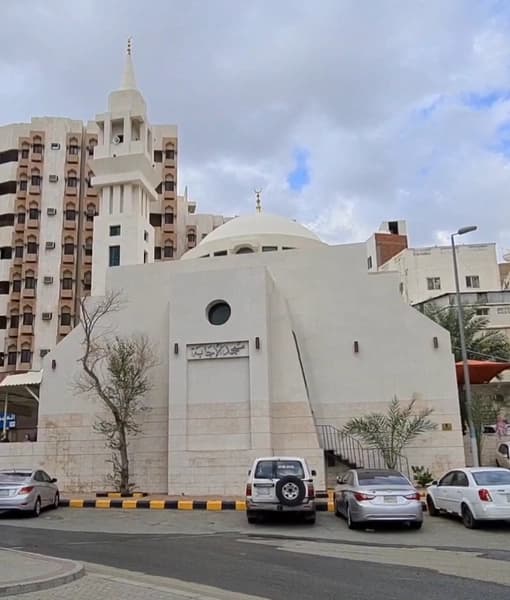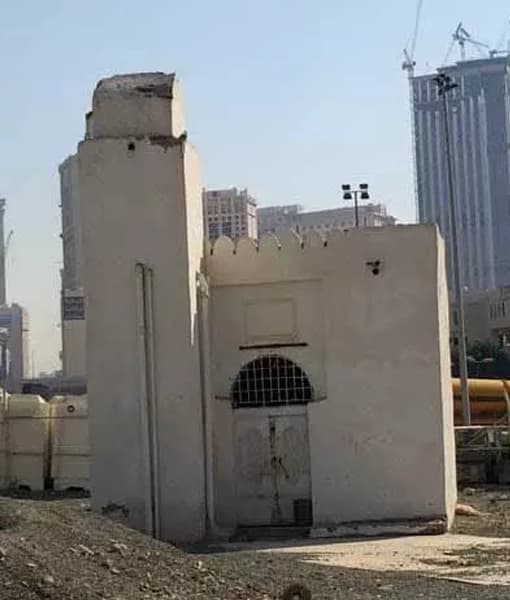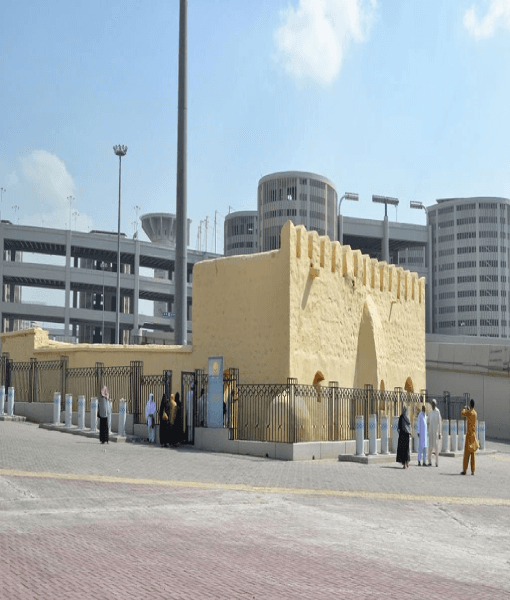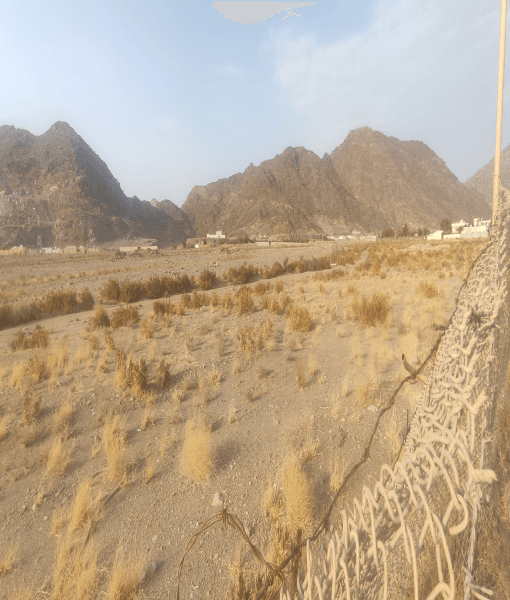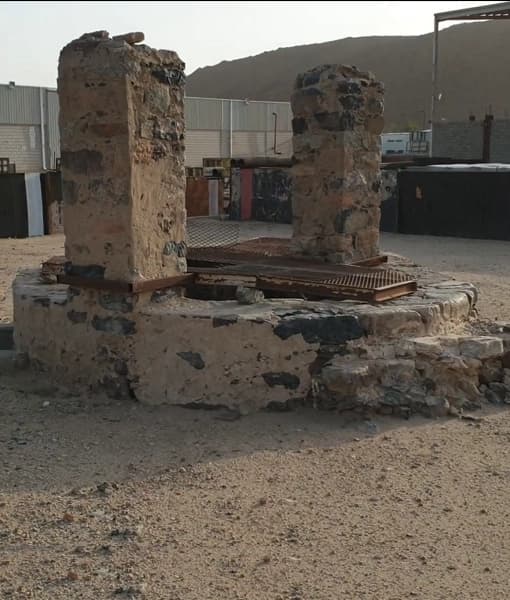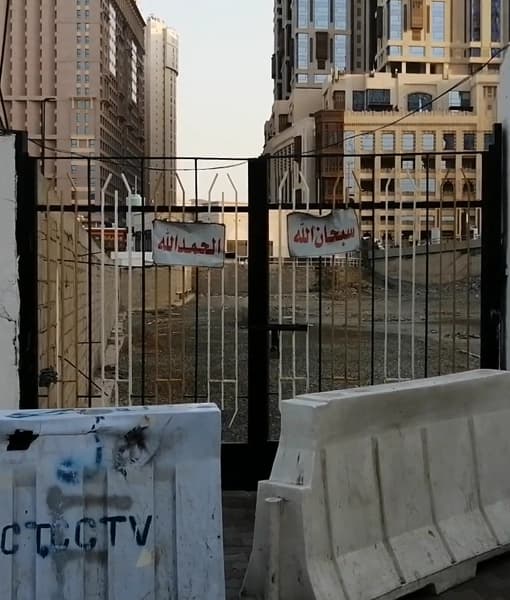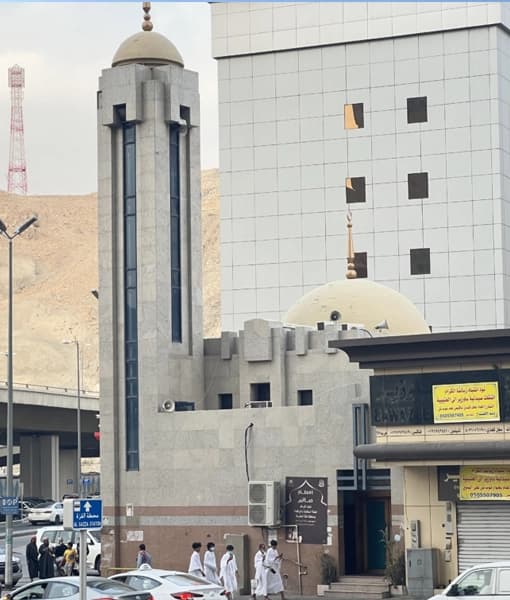
Gallery 1 Images
Site Information
About This Site
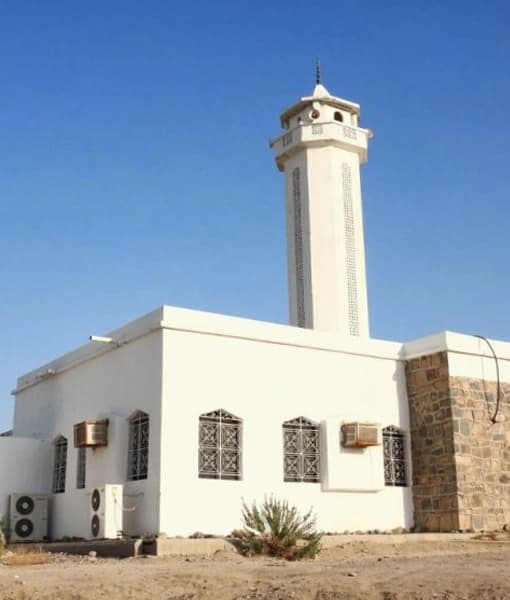
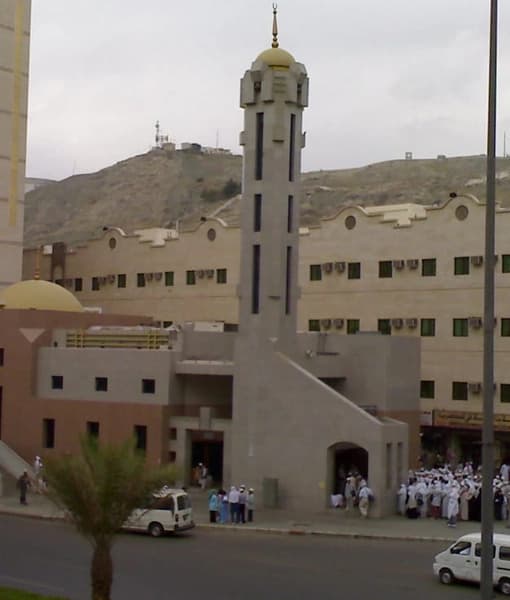
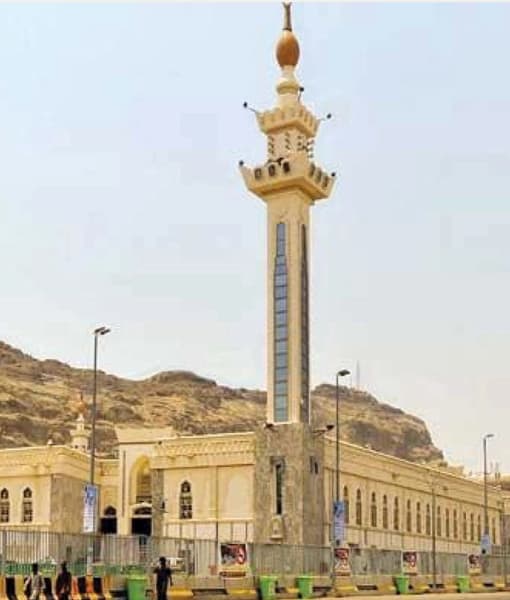
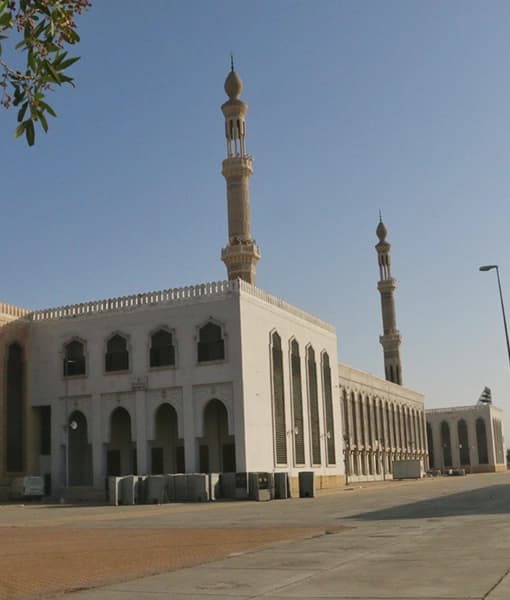
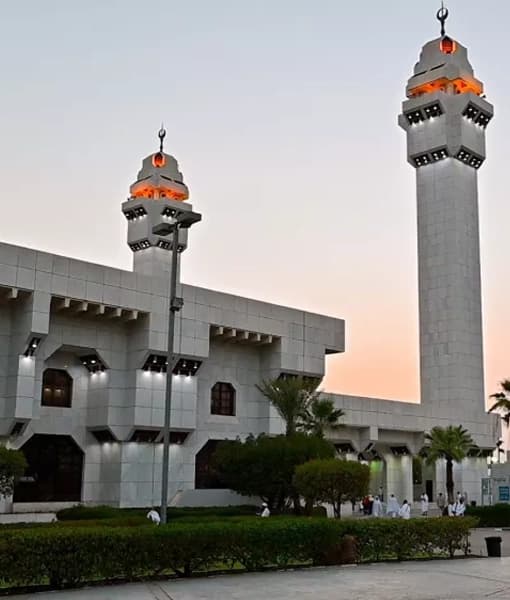
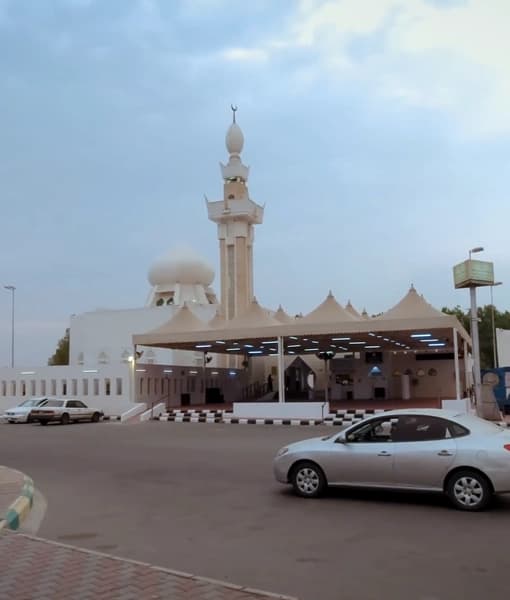
Masjid al-Sidra is a historic mosque in Taif that belongs to the wider Islamic heritage of the Hijaz. It is remembered among the older mosques of the governorate and is linked in local memory with the sacred history of the region. What gives the mosque its...
Historical Significance
Masjid al-Sidra is a historic mosque in Taif that belongs to the wider Islamic heritage of the Hijaz. It is remembered among the older mosques of the governorate and is linked in local memory with the sacred history of the region. What gives the mosque its special place is not size or ornament. It is the feeling of continuity it carries. A quiet mosque, an old name, and a remembered route are enough to keep a place alive in Muslim memory when the community continues to honour it. Visitors should understand Masjid al-Sidra as part of Taif’s religious landscape. It is best approached with respect and simplicity, as a heritage site connected to Islamic memory, not as a place for exaggeration or unsupported claims. Historical Significance Taif’s Old Mosque Memory Masjid al-Sidra belongs to the long religious memory of Taif, a city that has preserved many traces of its Islamic past. Its presence among the historic mosques of the governorate shows how local communities remembered sacred places through naming, narration, and continued respect. In Islamic heritage, such mosques matter because they connect the present city to its earlier religious life. This memory is especially meaningful because it keeps history close to ordinary life. A mosque does not need to be grand to matter. If people continue to associate it with the Prophet Muhammad ﷺ and with old regional memory, it becomes part of the living map of Islam in the Hijaz.
- It is remembered as one of Taif’s historic mosques.
- Its identity survives through local Islamic memory.
- It reflects the religious life of the city across generations.
The Meaning of the Name The name Sidra carries the feel of an older place name, one that has remained attached to the mosque through time. The alternate names Masjid al-Sadara and Masjid al-Sadira show that memory has been preserved in more than one form. That is common in old Islamic sites, where spoken usage, written references, and local heritage do not always use exactly the same wording. For a visitor, this matters because names are often the first bridge to history. When a mosque keeps an older name, it tells us that people did not let the place disappear from memory. The name itself becomes a sign of continuity, even when the exact physical form of the mosque has changed over the years.
- The site is known by more than one name.
- Old names often preserve early historical associations.
- The mosque’s identity is tied to heritage, not only structure.
The Prophet’s Route Toward Taif Masjid al-Sidra is linked in historical memory with the route toward Taif, a journey associated with the Prophet Muhammad ﷺThat larger path matters because sacred geography in Islam is often shaped by movement: roads, stops, valleys, and remembered places become part of the story of faith. A mosque on such a route is not just a building; it is a marker of remembrance. This does not mean every detail of the site must be forced into certainty. Rather, it means the mosque stands within a meaningful historical setting. The route toward Taif helps explain why the name survived and why the place still attracts attention from those interested in Makkah and Taif ziyarat.
- The site belongs to the historical landscape of the Taif route.
- It is remembered in connection with the Prophet ﷺ.
- Sacred routes often preserve old place names.
- It should not be confused with the separate miqat of Qarn al-Manazil.
What the Site Represents Today Today, Masjid al-Sidra represents more than an old mosque name. It stands for the way Muslims preserve memory through place. A site like this teaches that Islamic heritage is not limited to famous shrines. It also lives in smaller, quieter places where the past is still honoured with care. That is why the mosque remains meaningful even without fanfare. Its value lies in continuity, respect, and the calm dignity of a place remembered through generations. For Taif, it is part of the city’s older spiritual identity and its wider connection to the history of the Hijaz.
- It reflects how memory survives through local heritage.
- It shows the place of Taif in Islamic history.
- It belongs to the cultural map of ziyarat in western Saudi Arabia.
- Its quiet presence gives it lasting value.
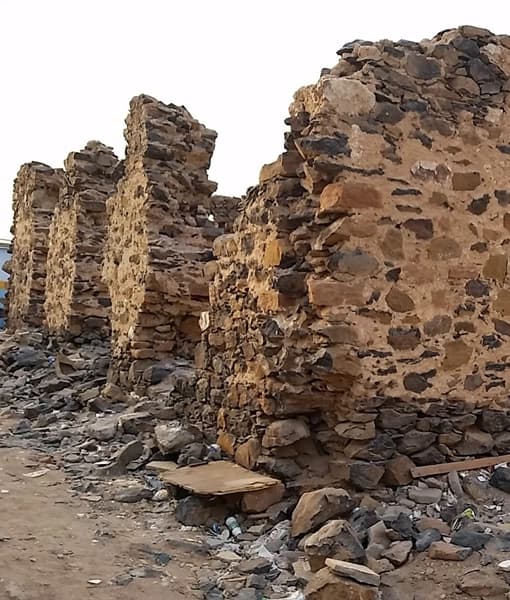
Site Today A Quiet Heritage Place Masjid al-Sidra is best understood today as a modest heritage mosque rather than a major public landmark. That gives it a special kind of dignity. Places like this often feel smaller than the stories attached to them, yet they remain powerful because they carry memory in a restrained and honest way. Access and Visit Experience Because there is no widely publicized visitor system for the mosque, the visit is likely to feel local and simple. This suits the character of the site. Visitors should come with respect, keep expectations realistic, and remember that the worth of the place lies in its history rather than in tourist facilities. The Setting in Taif The mosque belongs to Taif’s broader historical atmosphere. Taif itself holds a strong place in Islamic memory, and Masjid al-Sidra adds to that landscape. It helps visitors see the city not only as a modern destination, but also as a place where old names and sacred memory remain alive. Preservation and Respect The most important way to preserve a site like this is to speak about it carefully. Respectful naming, honest history, and quiet appreciation are part of its preservation. Even when a mosque is not widely documented in travel material, it can still remain important in the hearts of those who know its place in Islamic heritage. Why It Still Matters Masjid al-Sidra still matters because it reminds Muslims that Islamic history is carried not only by great monuments, but also by smaller places that the community continues to remember. These places help keep the past human, local, and close. They show how faith is lived through memory as much as through stone. It also matters because it connects Taif to the wider sacred geography of the Hijaz. A mosque remembered in relation to the Prophet Muhammad ﷺ gives visitors a sense of how deeply history is woven into the region. That connection is part of why ziyarat in Makkah and nearby areas remains so meaningful. Most of all, Masjid al-Sidra teaches restraint and reverence. It invites people to value what is real, what is remembered, and what has been preserved with care. That is a quiet kind of beauty, but a lasting one. Frequently Asked Questions 1. Where is Masjid al-Sidra located? It is in Taif Governorate, Makkah Region, Saudi Arabia. 2. What is Masjid al-Sidra known for? It is known as a historic mosque of Taif and is also called Masjid al-Sadara or Masjid al-Sadira. 3. Are the visiting hours officially fixed? No. Official visiting hours are not fixed, so access may depend on local arrangements.