Gallery 1 Images
Site Information
About This Site
Masjid al-Kou is one of the better known Islamic historical sites in Taif, and it carries a memory that is both quiet and powerful. The mosque is traditionally linked with the visit of Prophet Muhammad ﷺ to Taif, when he came to دعوت الناس to Islam and faced...
Historical Significance
Masjid al-Kou is one of the better known Islamic historical sites in Taif, and it carries a memory that is both quiet and powerful. The mosque is traditionally linked with the visit of Prophet Muhammad ﷺ to Taif, when he came to دعوت الناس to Islam and faced rejection and hardship. For many visitors, the site is meaningful because it helps the Seerah feel close, real, and deeply human. The mosque is also known by another name, "Masjid al-Mawqif," meaning the mosque of the stop. That name itself reflects the way people remember the place: as a spot where the Prophet ﷺ is said to have paused during his journey. In Taif Ziyarat, this gives the mosque a special place, because it connects the city’s landscape with one of the most emotional chapters of early Islamic history. A visitor should understand Masjid al-Kou as a commemorative site rooted in historical remembrance. It is not a place of spectacle. Its value lies in its link to the Prophet ﷺthe memory of his patience, and the way the site keeps that memory alive for later generations. Historical Significance The Prophet’s Pause in Taif Masjid al-Kou is traditionally identified with the place where Prophet Muhammad ﷺ paused during his journey in Taif. Some historical accounts connect the site with the stone or resting place on which he leaned, which is why the mosque became known by this name. Because of that association, it remains one of the most discussed Taif pilgrimage sites.
- The site is linked to the Prophet Muhammad ﷺs visit to Taif.
- It is traditionally remembered as a stop or resting place.
- The mosque’s name reflects this historical memory.
- The identification is based on later remembrance, not a surviving early structure.
The Meaning of "Al-Kou" The name "Al-Kou" is commonly explained in connection with the elbow or a resting support, and the site is also called "Masjid al-Mawqif." These names show how deeply the memory of the Prophet’s ﷺ journey shaped the way people spoke about the place. Even the name carries a quiet reverence.
- "Masjid al-Kou" is tied to the idea of a resting point.
- "Masjid al-Mawqif" is another name used for the mosque.
- The naming reflects prophetic memory in the local landscape.
- The site’s identity comes from remembrance, not decoration.
Taif and the Seerah of Patience Taif holds an important place in the Seerah because of the hardship the Prophet Muhammad ﷺ faced there. The visit to Taif is remembered as a time of pain, rejection, and prayer, but also of patience and mercy. Masjid al-Kou stands within that story and helps visitors reflect on the noble way the Prophet ﷺ responded to difficulty.
- The site belongs to the broader Seerah of Taif.
- It reminds visitors of hardship in the early Muslim story.
- The Prophet’s ﷺ patience is part of the site’s meaning.
- It gives Taif historical sites a deeper emotional dimension.
A Marker in Taif’s Historical Memory Over time, the mosque became part of Taif’s historical memory and ziyarat route. Its importance comes not from size, but from the meaning people attach to it. For visitors interested in Islamic heritage in Taif, it is one of those places where a small site carries a large memory.
- The mosque is part of Taif’s remembered sacred geography.
- It is often listed among historical places in Taif.
- The site reflects the city’s Islamic heritage.
- It remains important because of its association with the Prophet ﷺ.
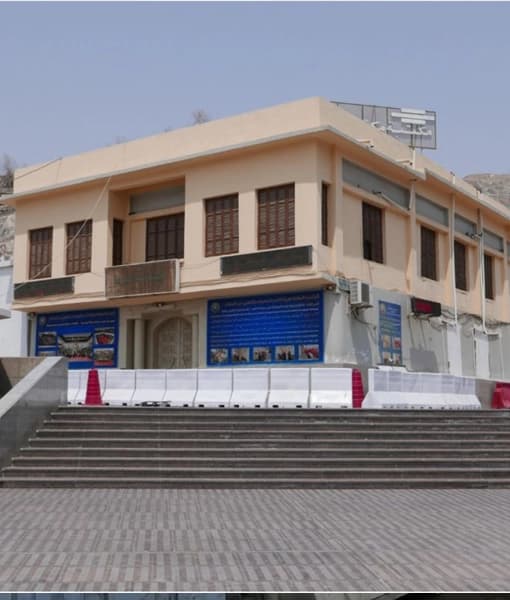
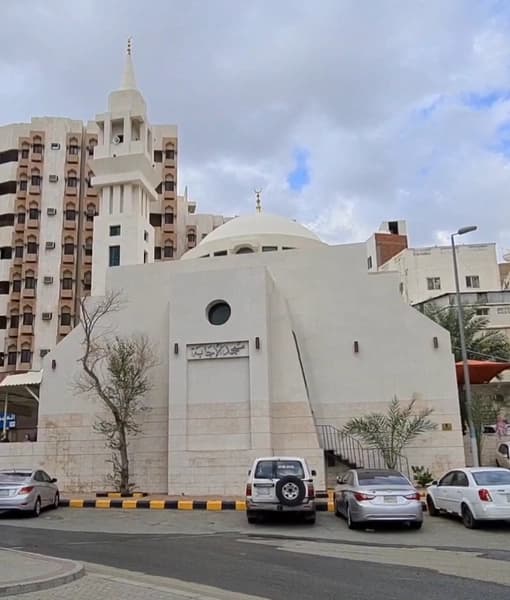
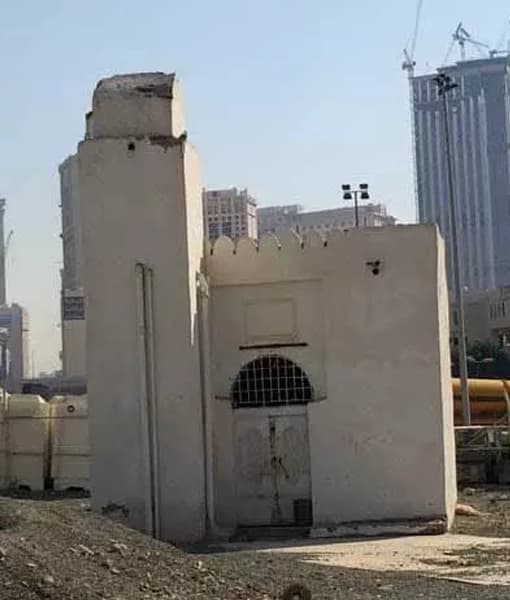
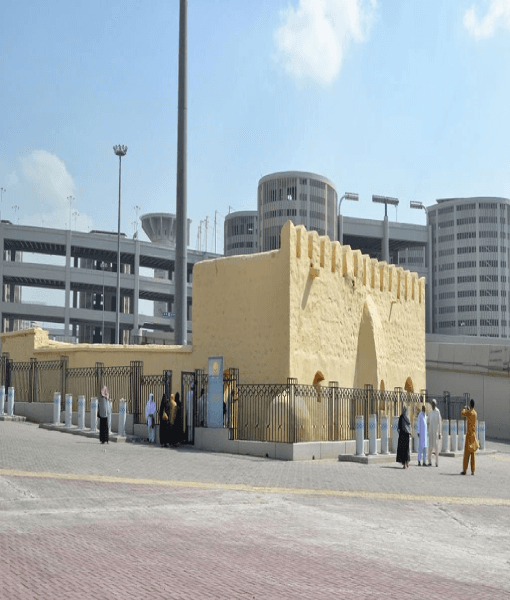
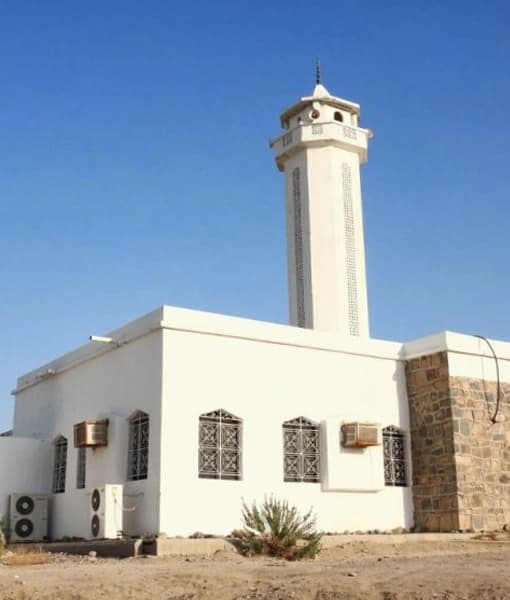
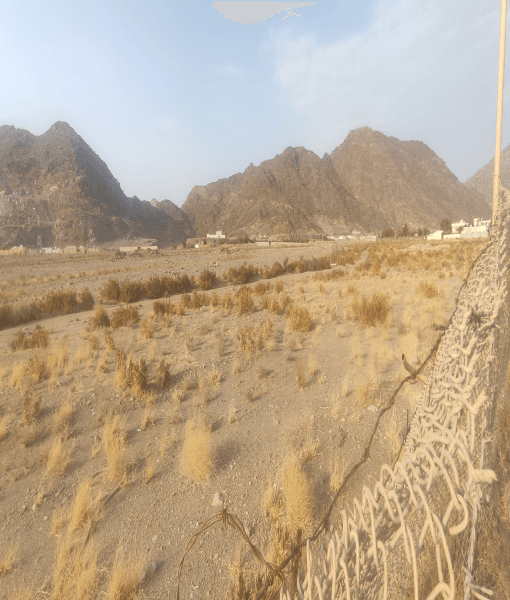
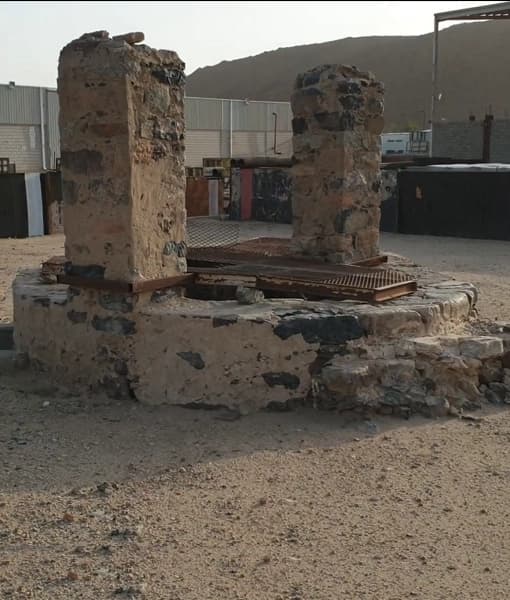
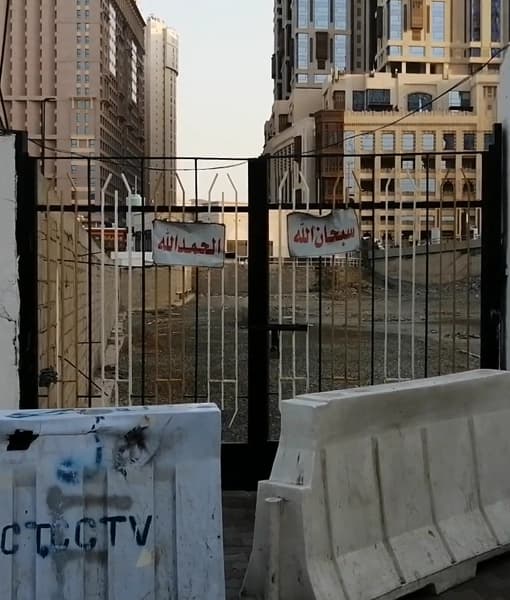
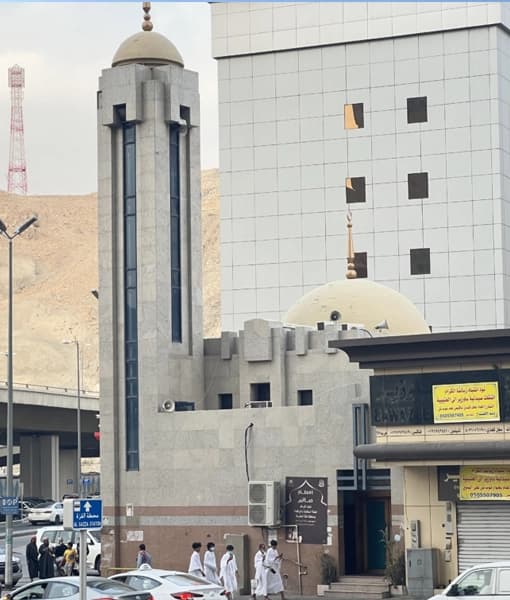
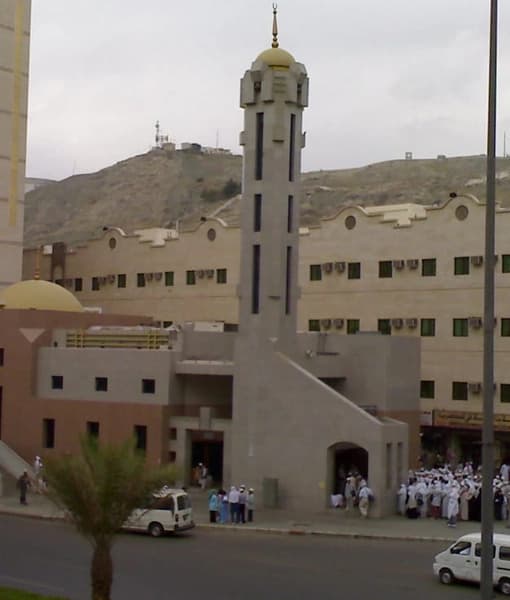
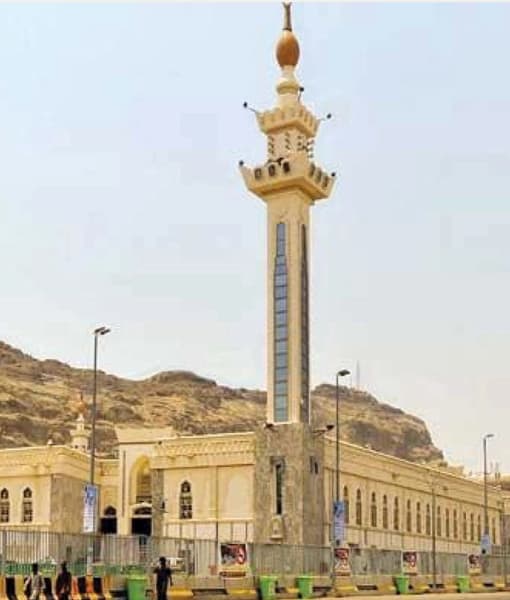
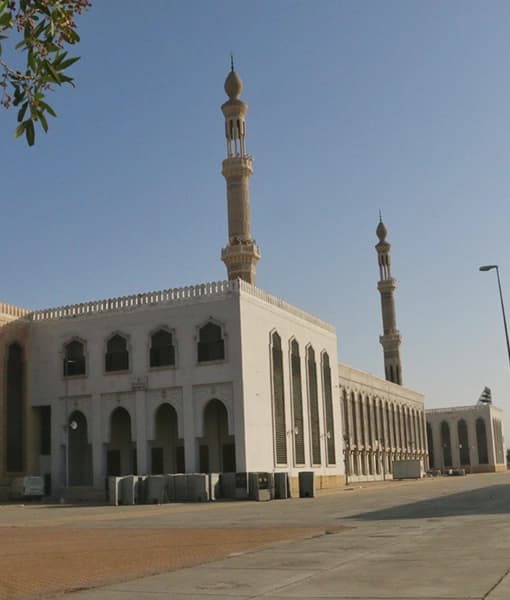
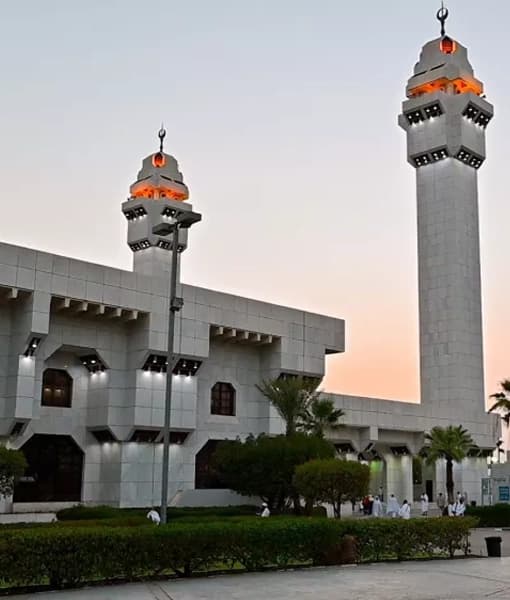
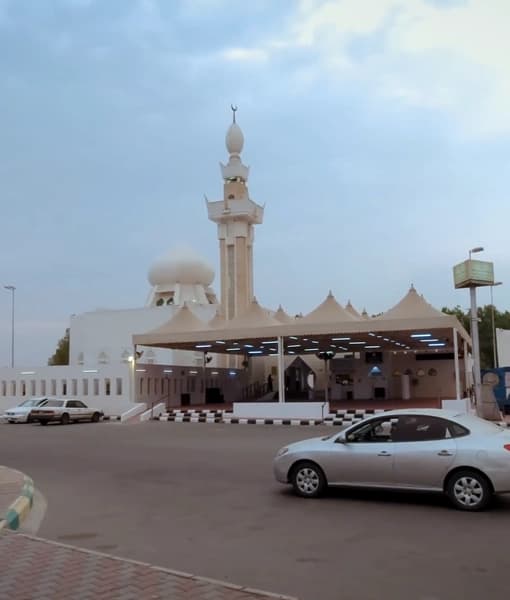
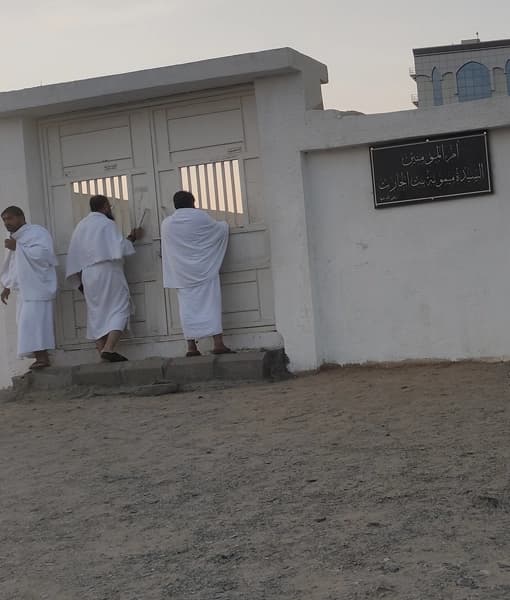
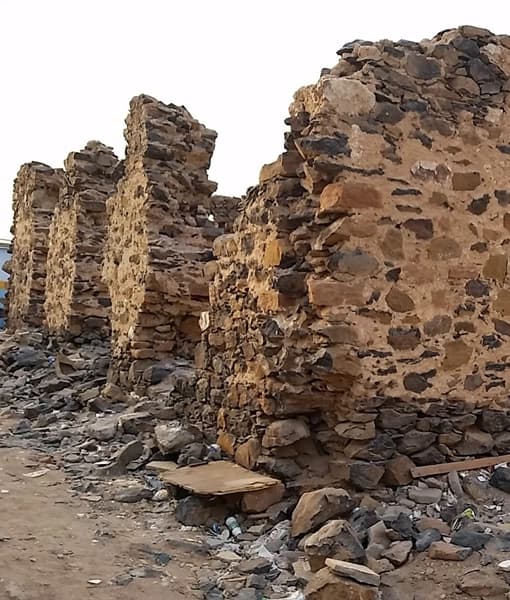
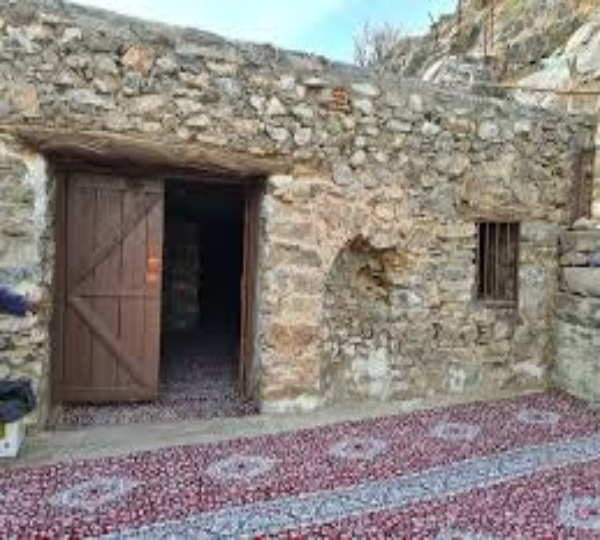
The Site Today Physical Appearance Today Today, Masjid al-Kou is a small historical mosque. It is modest in size and remembered more for its story than for any grand architectural style. Visitors should expect a simple place that reflects respect for its past. Historical Remains and Structure The current structure is not an original first-century Islamic building. It is a later mosque built to preserve the memory of the site. Reports describe it as having a compact prayer area and a small open courtyard, with the historical association being its main value. Modern Surroundings The mosque sits within a developed part of Taif, near modern roads and local movement, yet it still holds its own identity. The surrounding area has changed over time, but the site remains a recognized stop for those following a Taif Ziyarat route. Visitor Access Access is generally possible, but reliable official visitor hours are not clearly established. Visitors should treat it as an active historical mosque and come with normal mosque etiquette, quiet respect, and realistic expectations. Why It Still Matters Masjid al-Kou still matters because it keeps a painful and noble chapter of the Seerah in living memory. Places like this help Muslims remember that the life of Prophet Muhammad ﷺ was not only filled with guidance and victory, but also with endurance, rejection, and mercy. When a visitor stands near this mosque, the story of Taif feels less distant and more personal. It also matters because Taif Ziyarat is not only about seeing places. It is about understanding the moral weight behind them. Masjid al-Kou helps visitors reflect on patience in hardship, dignity in suffering, and the quiet strength that shaped the Prophet’s ﷺ mission. That kind of reflection can stay with a person long after the visit ends. For many pilgrims, the mosque is a reminder that Islamic history is preserved in humble places too. It shows how memory can survive through names, stories, and shared respect. In that way, Masjid al-Kou continues to serve as a small but meaningful doorway into the heart of Taif’s Islamic heritage. Frequently Asked Questions 1. Where is Masjid al-Kou located? It is in Taif’s Al-Mathnah area, near Wadi al-What and Jabal Abu Zubaydah. 2. Why is Masjid al-Kou important? It is traditionally linked with the Prophet Muhammad ﷺs stop during his journey to Taif and is remembered as part of that Seerah. 3. Can visitors visit Masjid al-Kou today? Yes, visitors can usually approach it, but visiting hours are not officially fixed and may depend on local arrangements