Gallery 1 Images
Site Information
About This Site
Saqifah Bani Sa'idah is one of the most historically significant sites in Madinah. It was originally a meeting place belonging to the tribe of Banu Sa'idah and became famous after the passing of Prophet Muhammad ﷺ. It was here that the Companions (Sahabah)...
Historical Significance
Saqifah Bani Sa'idah is one of the most historically significant sites in Madinah. It was originally a meeting place belonging to the tribe of Banu Sa'idah and became famous after the passing of Prophet Muhammad ﷺ. It was here that the Companions (Sahabah) gathered to discuss the leadership of the Muslim community, leading to the selection of Abu Bakr Al-Siddiq (R.A.) as the first Caliph of Islam. This event marked the beginning of the Rashidun Caliphate and played a vital role in preserving the unity of the Muslim Ummah.
Historical Background
Following the demise of Prophet Muhammad ﷺ in 632 CE, members of the Ansar assembled at Saqifah Bani Sa'idah to deliberate on the future leadership of the Muslim community. Shortly afterwards, Abu Bakr (R.A.), Umar ibn Al-Khattab (R.A.) and Abu Ubaidah ibn al-Jarrah (R.A.) joined the gathering. After thoughtful discussions and mutual consultation (Shura), the Companions pledged allegiance (Bay'ah) to Abu Bakr (R.A.), recognizing him as the first Caliph of Islam. This historic decision ensured political stability and unity during one of the most sensitive periods in Islamic history.
Islamic Significance
Saqifah Bani Sa'idah symbolizes the importance of consultation, unity and responsible leadership in Islam. The gathering demonstrated the Companions' commitment to resolving major community matters through dialogue and consensus. The appointment of Abu Bakr (R.A.) at this location safeguarded the continuity of Islamic governance after the Prophet ﷺ and became one of the defining moments in early Islamic history.
Present Status
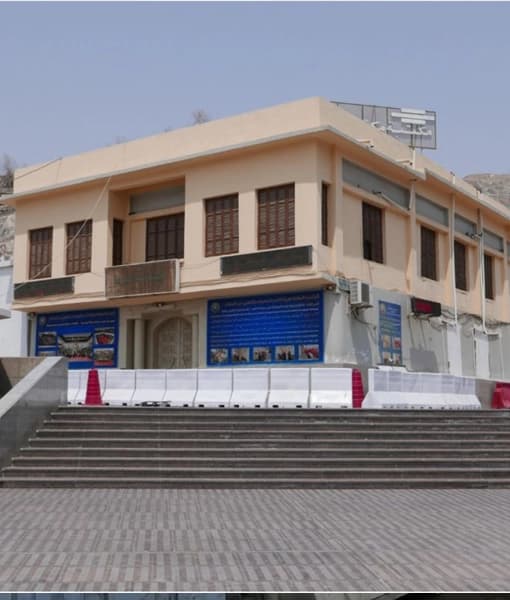
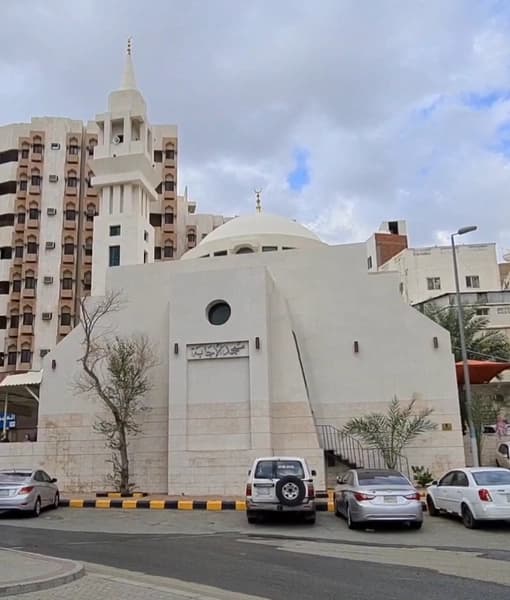
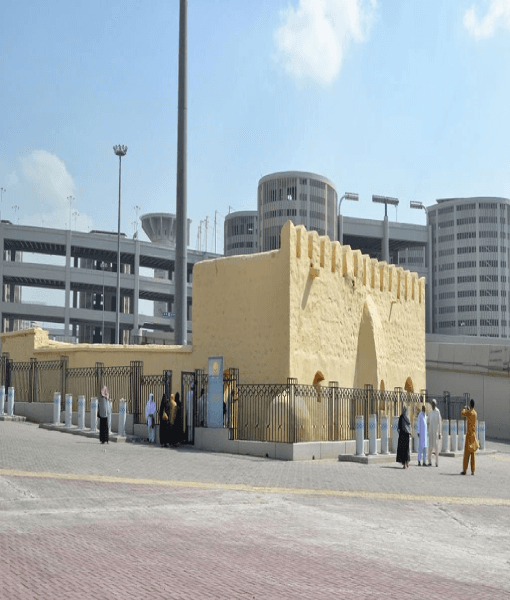
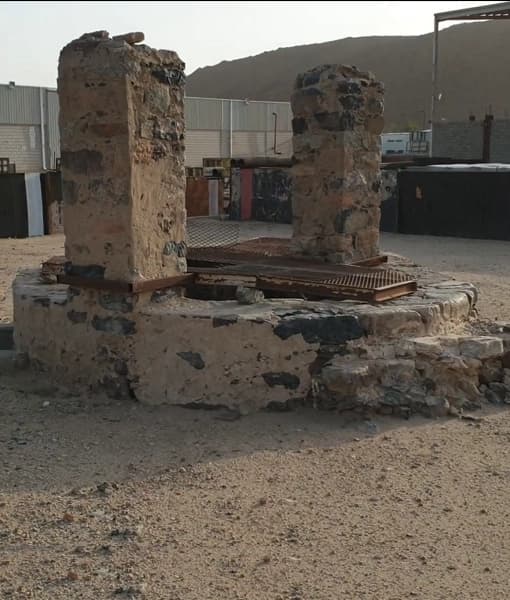
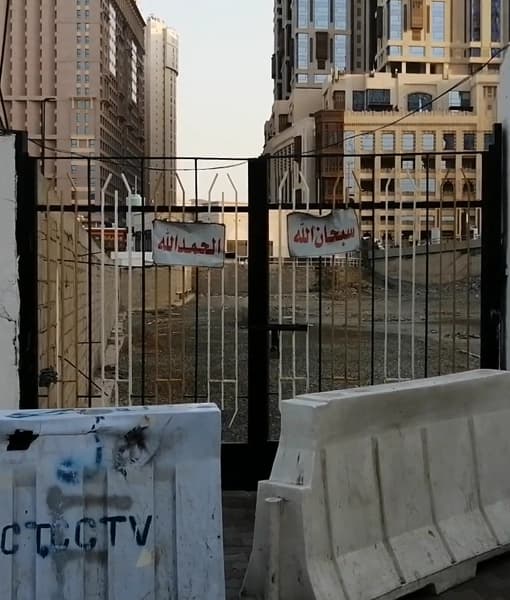
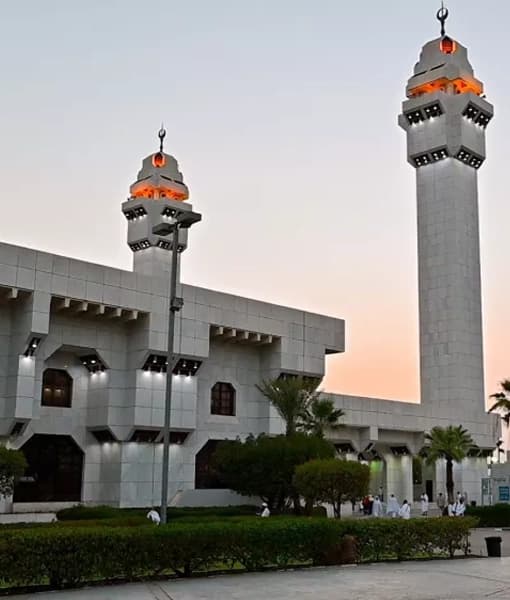
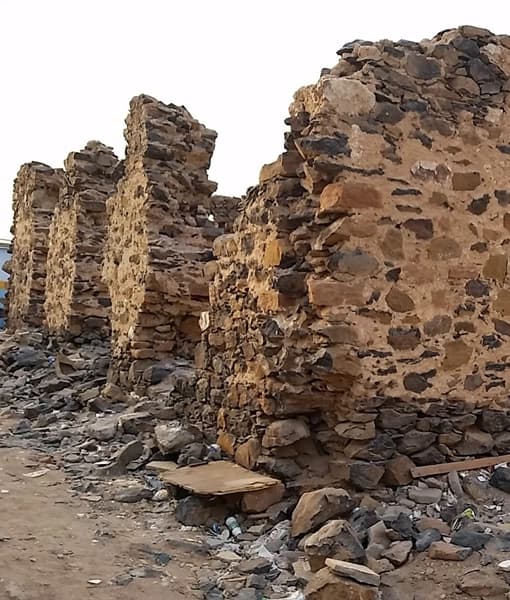
The original structure of Saqifah Bani Sa'idah no longer exists in its historical form. However, the location has been preserved and is recognised as an important Islamic heritage site. It lies within the central area of Madinah, close to Masjid an-Nabawi, where many visitors and students of Islamic history come to understand its significance.
Location
Name: Saqifah Bani Sa'idah
City: Madinah
Area: Near Masjid an-Nabawi, north-west of the Prophet's Mosque. The historical meeting place was situated within the residential quarter of the Banu Sa'idah tribe. Today, the approximate location is marked near the western side of Masjid an-Nabawi and remains an important landmark associated with the early Islamic period.
Visitor Information
Accessible throughout the year. Usually visited as part of Madinah historical Ziyarat tours. Visitors should maintain respect and avoid loud conversations. There are no special rituals or acts of worship prescribed specifically for this location. Comfortable walking shoes are recommended, especially during warmer months. Visiting is generally combined with nearby historical sites around Masjid an-Nabawi.
Interesting Facts
It was the venue where Abu Bakr Al-Siddiq (R.A.) received the first pledge of allegiance as the first Caliph of Islam. The gathering highlighted the Islamic principle of Shura (mutual consultation). The site is closely connected to the history of the Ansar, who played a crucial role in supporting Islam after the Hijrah. Historians consider the events at Saqifah among the most influential political moments in Islamic civilization. Although the original building has disappeared, its historical importance continues to be recognised by scholars and visitors.
Saqifah Bani Sa‘idah is one of the most important historical places in Madinah because it is tied to the first major leadership discussion in Islam after the passing of Prophet Muhammad ﷺThe place itself was a shaded gathering space belonging to Bani Sa‘idah of the Khazraj, a branch of the "Ansar," meaning the Muslims of Madinah who supported the Prophet ﷺ after the Hijrah. What happened here was not a battle, and it was not a ceremony. It was a serious meeting held in a moment of grief and uncertainty, when the early Muslim community had to think carefully about its future. The Ansar gathered there soon after the Prophet’s ﷺ death, and that gathering later led to Abu Bakr al-Siddiq رضي الله عنه receiving allegiance as the first Caliph. That is why the site matters in "Madinah Ziyarat" and in the wider story of "Islamic history" and "Seerah." A visitor should understand this place as a memory of responsibility as much as a location. It is modest in appearance, but the history attached to it is heavy with meaning. The community faced loss, but it also faced the need to hold together. That is what gives Saqifah Bani Sa‘idah its quiet force today. Historical Background The Site in the Life of Prophet Muhammad ﷺ The Saqifah existed during the Prophet’s ﷺ time as part of the social space of Madinah. It was a shaded place used by the people of Bani Sa‘idah, and the site later became known because of the events that followed the Prophet’s ﷺ passing.
- It belonged to a Khazraj family and served as a gathering place.
- It was part of the lived geography of early Madinah.
- Its importance grew from later historical events, not from a separate building tradition.
- It helps connect the Seerah with real spaces in the city.
The Event, People, or Story Connected with the Site After the death of Prophet Muhammad ﷺthe Ansar gathered at Saqifah Bani Sa‘idah to speak about leadership for the Muslim community. Historical reports describe the arrival of Abu Bakr al-Siddiq رضي الله عنهUmar ibn al-Khattab رضي الله عنهand Abu Ubaida ibn al-Jarrah رضي الله عنهand the meeting became the place where the first caliphate began to take shape.
- The gathering happened immediately after the Prophet’s ﷺ passing.
- It brought together the Ansar and the Muhajirun.
- Abu Bakr رضي الله عنه received the pledge of allegiance there.
- The event shaped the earliest unity of the Muslim community.
Historical Evidence and Islamic Sources The importance of Saqifah Bani Sa‘idah comes from early Islamic historical writing and later scholarly discussion. There is no Qur’anic verse about visiting the site, and no authentic hadith gives it a special reward, so its value should be described honestly as historical and communal rather than as a place of promised virtue.
- Early historical works preserve the account of the meeting.
- Later Sunni and Shi‘a sources remember the event with different emphasis.
- The site’s importance lies in recorded early Islamic history.
- Careful writing should avoid adding unsupported religious claims.
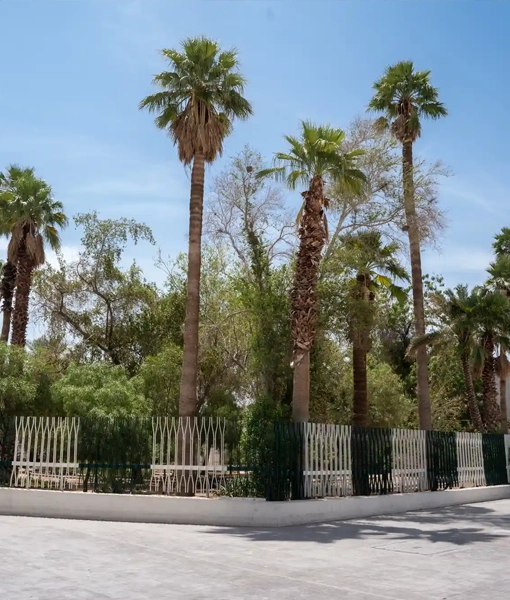
The Site Through the Centuries Over time, the original open gathering place was absorbed into the changing urban fabric of Madinah. The site is now remembered within the wider setting of the Prophet’s Mosque area, showing how old sacred memory and modern city life now sit side by side.
- The original setting was a shaded tribal meeting place.
- Madinah’s expansion changed the physical surroundings.
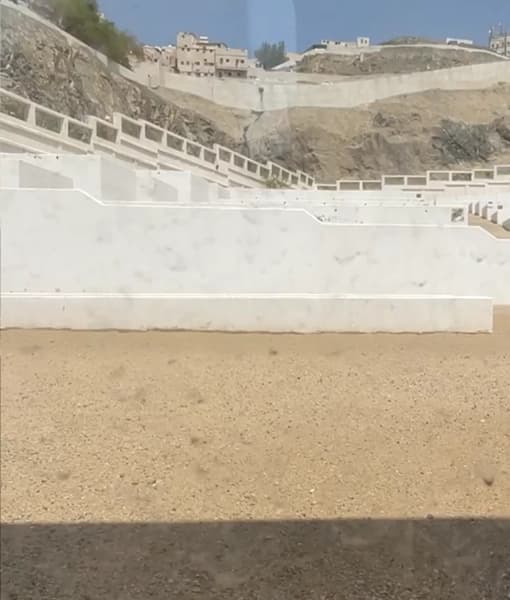
- The site is now preserved mainly through memory and location.
- Scholarly disagreement concerns interpretation, not the fact that the event is remembered there.
Site Today The Modern Setting Today, Saqifah Bani Sa‘idah sits within central Madinah near the Prophet’s Mosque. In practice, it feels like part of the wider Madinah Ziyarat landscape rather than a separate monument. What Visitors See Visitors should expect a quiet and modest place. It is not a large museum or a heavily developed attraction, and that simplicity fits its historical meaning. The main experience is reflection, not sightseeing in the usual sense. Heritage Recognition The site is recognized in Saudi tourism material as a destination in Madinah. That recognition keeps it visible among "historical places in Madinah" and helps visitors understand why it remains important in Islamic heritage in Madinah. Respectful Visitation A visit should be made with adab, meaning proper Islamic etiquette. The site is tied to the Companions رضي الله عنهم and the earliest days of the Muslim community, so quiet respect and historical honesty are the best way to honor it. Why It Still Matters Saqifah Bani Sa‘idah still matters because it brings visitors close to a defining moment in the life of the early Muslim community. After the passing of Prophet Muhammad ﷺthe community had to respond quickly, carefully, and with a strong sense of responsibility. That makes the site important not only for history, but for understanding how Muslims acted under pressure. It also matters because it gives proper weight to the role of the Ansar. These were the Muslims of Madinah who supported the Prophet ﷺ after the Hijrah, and their gathering at Saqifah shows how deeply they cared about the future of the Ummah. The site therefore reflects loyalty, concern, and the burden of leadership in a moment when grief was still fresh. For a modern visitor, the lesson is simple and lasting. Islamic history is not only preserved in books; it also lives in places where real people made difficult decisions. Saqifah Bani Sa‘idah teaches humility, unity, and respect for the Companions رضي الله عنهمwhile reminding us to love the history honestly, without adding certainty that the sources do not give. Frequently Asked Questions 1. What is Saqifah Bani Sa‘idah? It is a historical site in Madinah where an important meeting took place after the death of Prophet Muhammad ﷺ. 2. Where is Saqifah Bani Sa‘idah located? It is on the northwestern side of "Al-Masjid an-Nabawi," within central Madinah. 3. Why is Saqifah Bani Sa‘idah important? It is linked to the first caliphate, the Ansar, and the pledge of allegiance to Abu Bakr رضي الله عنه.