Gallery 1 Images
Site Information
About This Site
Masjid al-Ijaba is one of the historical mosques of Madinah and is known for its connection with Prophet Muhammad ﷺ. The name "Al-Ijaba" means "the response" or "the acceptance," referring to an important event related to a supplication (Dua) made by the...
Historical Significance
Masjid al-Ijaba is one of the historical mosques of Madinah and is known for its connection with Prophet Muhammad ﷺ. The name "Al-Ijaba" means "the response" or "the acceptance," referring to an important event related to a supplication (Dua) made by the Prophet ﷺ. The mosque is considered one of the significant historical landmarks that reflects the spiritual environment of Madinah during the Prophetic era.
Historical Background
According to historical narrations, Prophet Muhammad ﷺ passed by this location and offered prayers and supplications. The mosque was later built to preserve the memory of this event. The site became known among the people of Madinah as Masjid al-Ijaba due to the connection with the Prophet’s ﷺ supplication.
Islamic Significance
Masjid al-Ijaba reminds visitors about the importance of Dua and the mercy of Allah. It highlights the spiritual relationship between the Prophet ﷺ and his Lord. The mosque also represents the places in Madinah where the Prophet ﷺ performed acts of worship and guided the Muslim community.
Present Status
The mosque exists today and has been maintained as a historical mosque. It remains one of the sites visited by pilgrims exploring the religious heritage of Madinah.
Location
Name: Masjid al-Ijaba
City: Madinah
Area: Al-Awali area, Madinah. It is located a short distance from Masjid an-Nabawi and is included among the historical Ziyarat locations of the city.
Visitor Information
Visitors may offer general prayers but there is no special prayer prescribed specifically for this mosque. Maintain silence and respect inside the mosque. Follow local timings and regulations. Suitable clothing should be worn while visiting.
Interesting Facts
The mosque is also known as Masjid Bani Muawiyah. It is connected with an event from the life of Prophet Muhammad ﷺ. It is one of the older mosques of Madinah. The site reflects the deep connection between Madinah’s landscape and Prophetic history
Masjid al-Ijaba is one of those quiet places in Madinah where the heart has to slow down before the story can be felt. It is a small mosque, but the memory tied to it is large: the Prophet Muhammad ﷺ is remembered here in the company of prayer, supplication, and an answer from Allah that shaped the mosque’s name itself. The name "al-Ijaba" means response or acceptance. That matters, because this site is not remembered for stone or size, but for a moment when the Prophet Muhammad ﷺ asked Allah for mercy for his Ummah. The prayer was deeply personal and deeply communal at the same time. It carried concern for people who would live long after the Prophet ﷺ had left this world, and that tenderness is what gives the place its lasting force. For a visitor making Madinah Ziyarat, the mosque invites more than a passing stop. It asks the visitor to think about what it means to be answered by Allah, what it means to pray with care for others, and how the Seerah is often preserved in the smallest places. Some sites are remembered because of public triumph. Masjid al-Ijaba is remembered because of prayer, mercy, and the quiet seriousness of a Prophet ﷺ who carried his Ummah in his heart. Historical Background The Site in the Life of Prophet Muhammad ﷺ This mosque is tied to a well-known hadith in which the Prophet Muhammad ﷺ prayed at the mosque of Banu Mu‘awiyah and made supplication there. That supplication is remembered because he asked for three things for his Ummah, and two were granted. The site’s importance comes from that act of prayer, not from a later monument alone.
- It is linked to a reported prayer of the Prophet ﷺ in Madinah.
- The mosque was originally associated with Banu Mu‘awiyah.
- The name "al-Ijaba" comes from the answered supplication.
- The memory belongs to the later Madinan years of the Seerah.
The Event, People, or Story Connected with the Site The story here is gentle, but it carries real weight. The Prophet Muhammad ﷺ asked that his Ummah not be destroyed by famine, not be destroyed by drowning, and not be torn apart by internal conflict. The first two were granted, and the last was withheld. That is why the mosque feels so human: it holds a prayer born from love and concern, not from self-interest.
- The mosque is linked to a three-part supplication.
- Two requests were answered, one was not.
- The story shows the Prophet’s ﷺ care for his community.
- It gives the mosque its name and its emotional depth.
Historical Evidence and Islamic Sources The strongest support for Masjid al-Ijaba comes from hadith literature, especially the report of Sa‘d ibn Abi Waqqas رضي الله عنه about the Prophet’s ﷺ prayer at the Mosque of Banu Mu‘awiyah. Later historical and devotional sources preserve the site’s identification, and the mosque is still remembered today under more than one name. The tradition is clear enough to guide visitation, even if later architectural details are not all from the original period.
- The core report comes from hadith.
- The site is also known as Masjid Banu Mu‘awiyah.
- Later records preserve the name Masjid al-Ijaba.
- The original structure is not the same as today’s building.
The Site Through the Centuries Over the centuries, Madinah changed around its older prayer sites, but this mosque remained part of the city’s sacred memory. Like many historical mosques in Madinah, its meaning survived even as the physical building was renewed. What stays steady is the remembered act of prayer, and that is why the site still matters in Islamic history.
- The mosque belongs to Madinah’s preserved prayer geography.
- The current structure reflects later rebuilding.
- The name survived because the story survived.
- It remains part of Islamic heritage in Madinah.
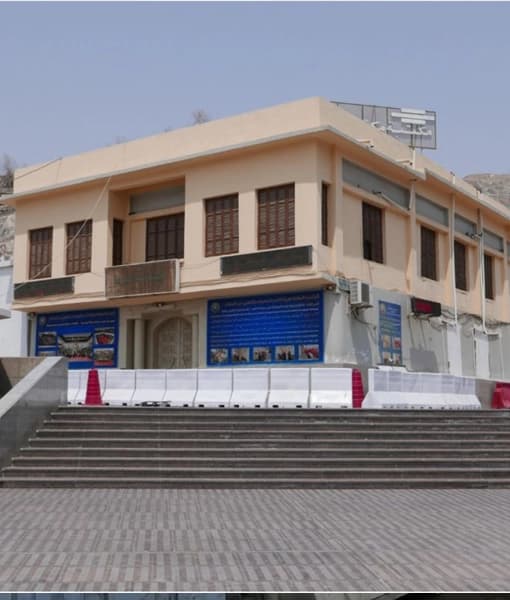
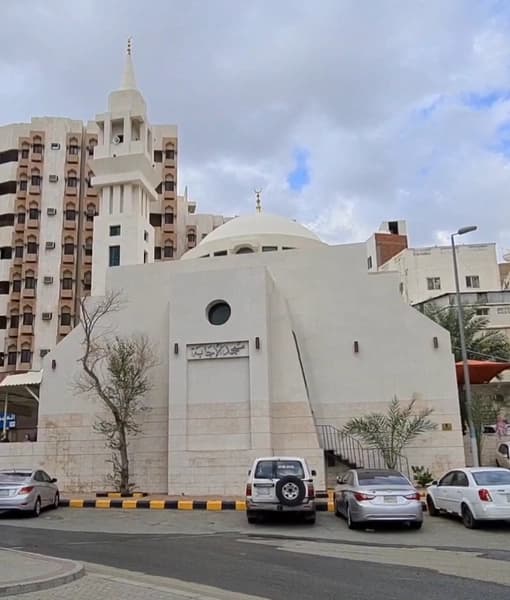
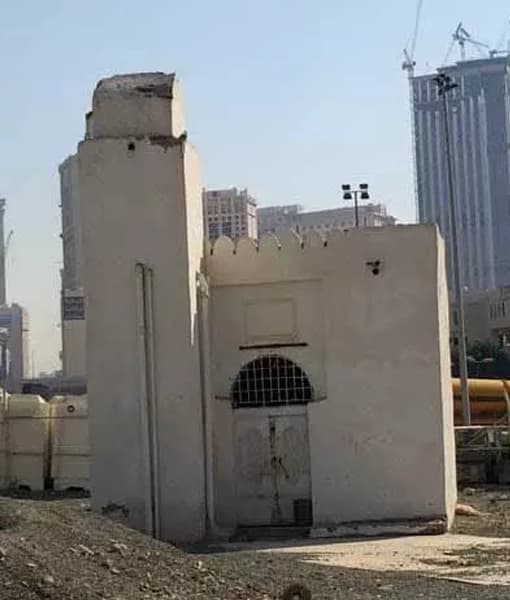
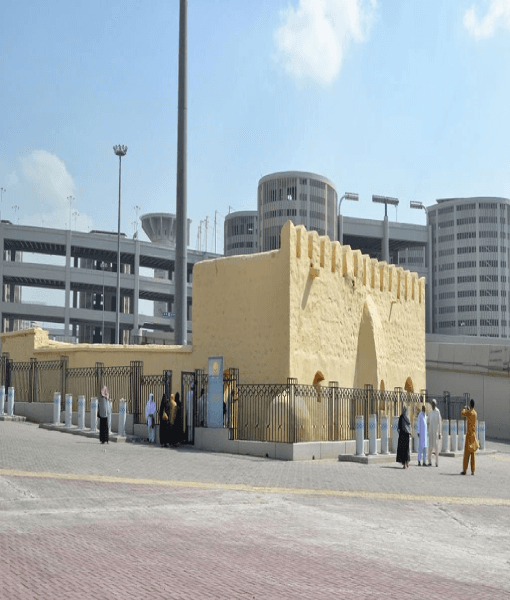
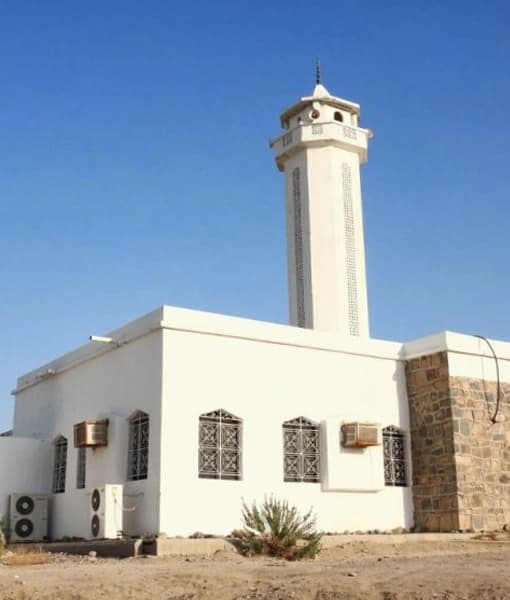
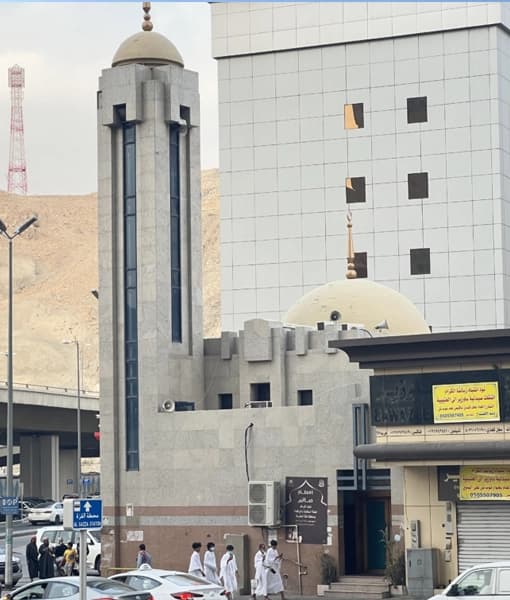
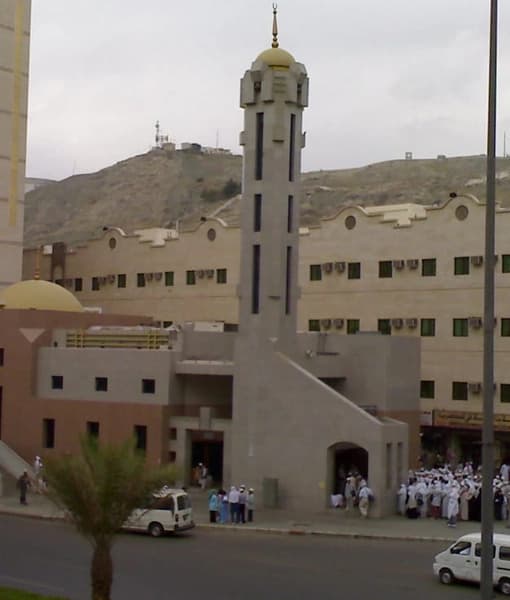
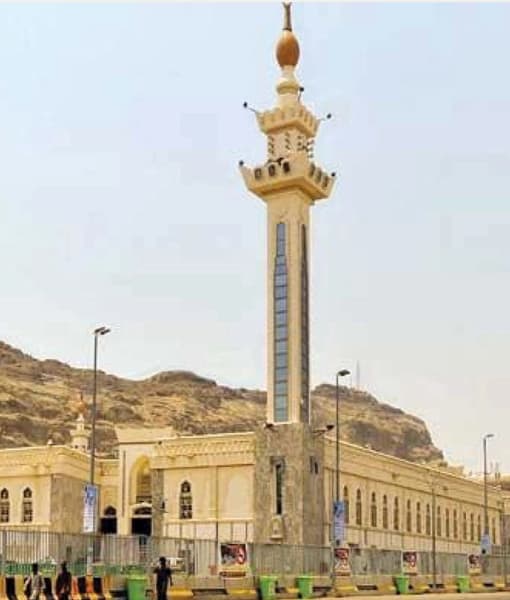
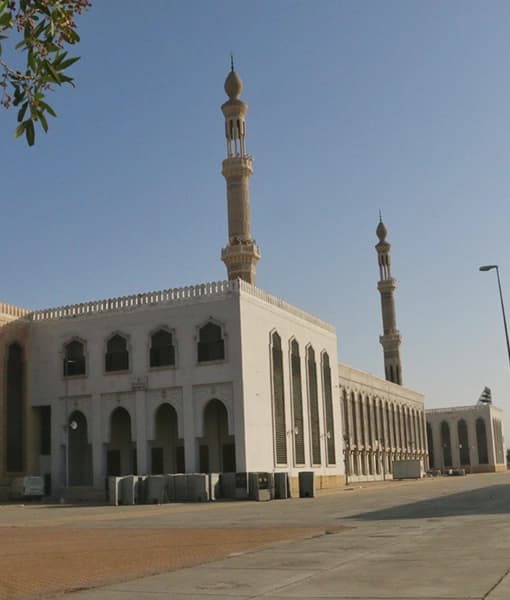
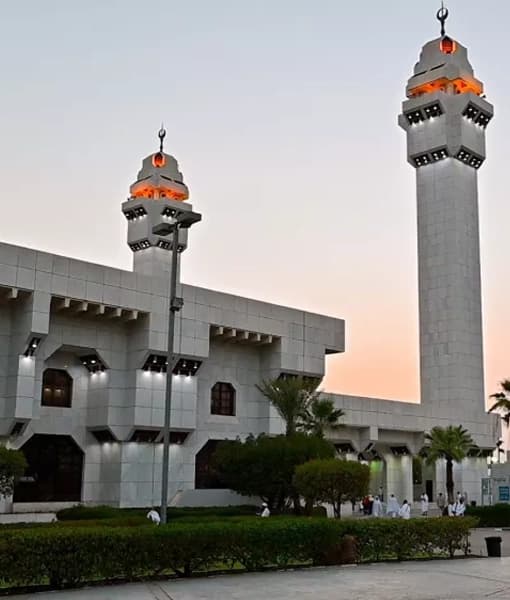
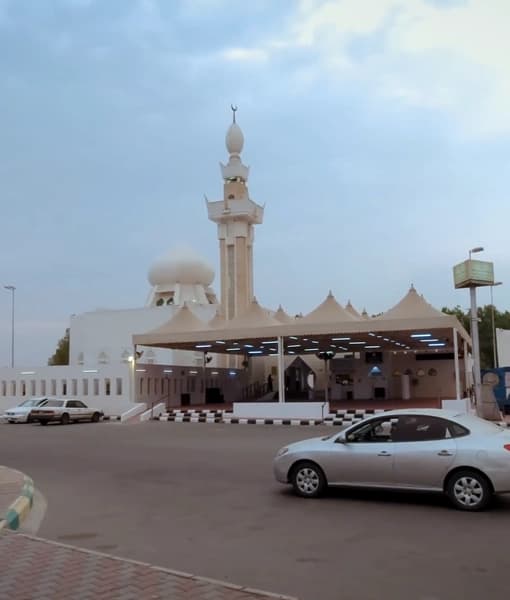
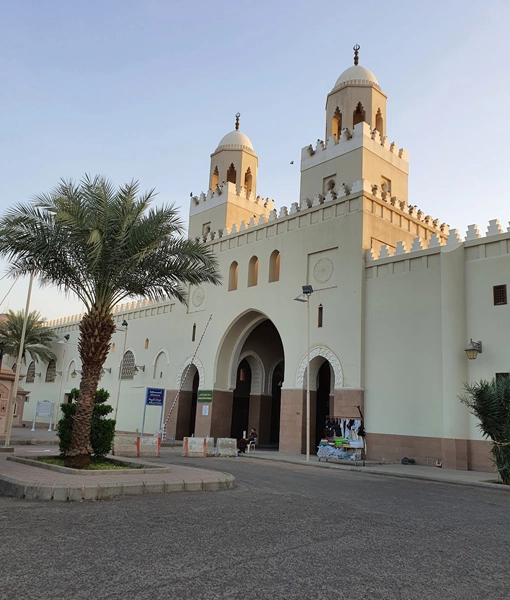
Site Today The Mosque in Its Setting Today, Masjid al-Ijaba sits within the historic northern side of Madinah, near places many visitors already include in their Ziyarat in Madinah route. Its closeness to Jannat al-Baqi makes it feel naturally connected to the devotional rhythm of the area. The Mosque’s Appearance The mosque is modest, and that modesty suits it. It does not ask for admiration through size or decoration. It asks for remembrance. The simplicity helps the visitor notice what really matters here: a place of prayer, concern, and answered supplication. Visitor Experience A visit here is usually brief and reflective. Most people come because they want to stand in a place tied to the Seerah and to the Prophet’s ﷺ care for his Ummah. The mood is quiet, and that quietness allows the visitor to think rather than rush. Respect and Adab The right way to visit is with adab, meaning respectful conduct. A low voice, clean dress, and a still heart are enough. This is not a place for performance; it is a place for remembering a Prophet ﷺ who prayed for people he would never meet in this world. Why It Still Matters Masjid al-Ijaba still matters because it makes the mercy of the Prophet Muhammad ﷺ feel close. He did not only guide with words; he prayed with concern, and he carried the future of his Ummah into his supplications. That is a rare kind of love, and this mosque preserves the memory of it. It also matters because it shows how Islamic history lives in ordinary-seeming places. Nothing about the mosque is grand in a worldly sense, yet the story behind it is full of meaning. A small mosque in Madinah can hold a prayer that reached across generations, and that is one of the quiet miracles of Islamic heritage in Madinah. For the visitor, Masjid al-Ijaba is a place to pause and remember that answered prayer is not only about what is given, but also about what is lovingly withheld for a greater wisdom. The Prophet ﷺ asked for his Ummah with a heart full of mercy. Standing here, a visitor can feel that mercy without needing anything more than silence and sincerity. Frequently Asked Questions 1. Why is it called Masjid al-Ijaba? It is called that because of the remembered supplication of the Prophet Muhammad ﷺ that was answered by Allah. 2. Is Masjid al-Ijaba the same as Masjid Banu Mu‘awiyah? Yes. The mosque is also known by that older name. 3. What makes this mosque important for Ziyarat in Madinah? It is tied to a hadith about the Prophet’s ﷺ prayer and his concern for his Ummah