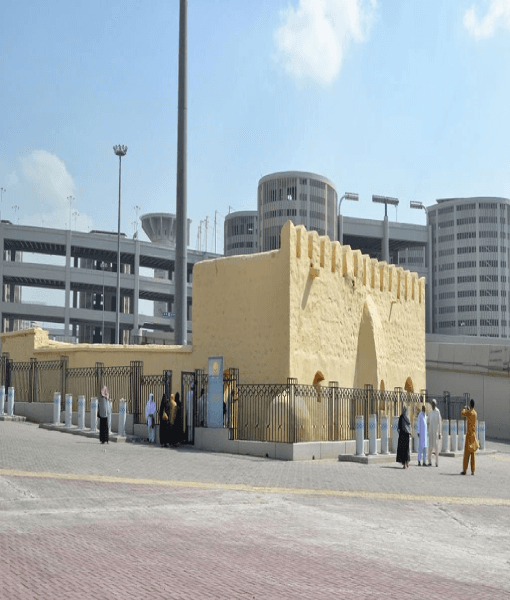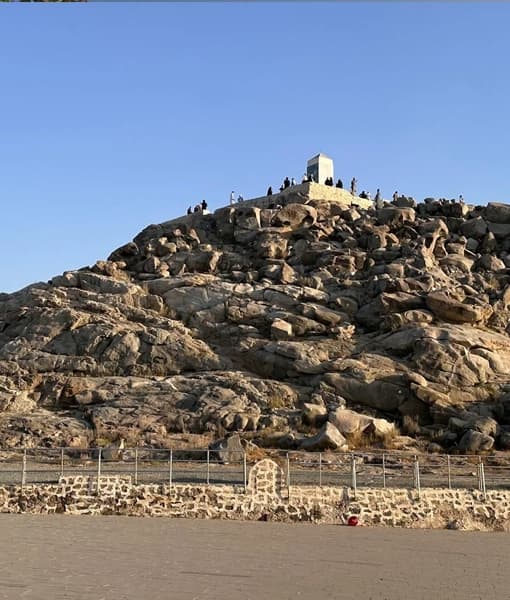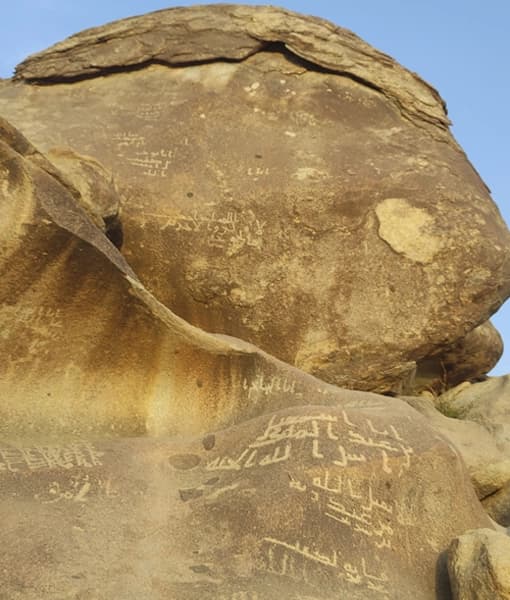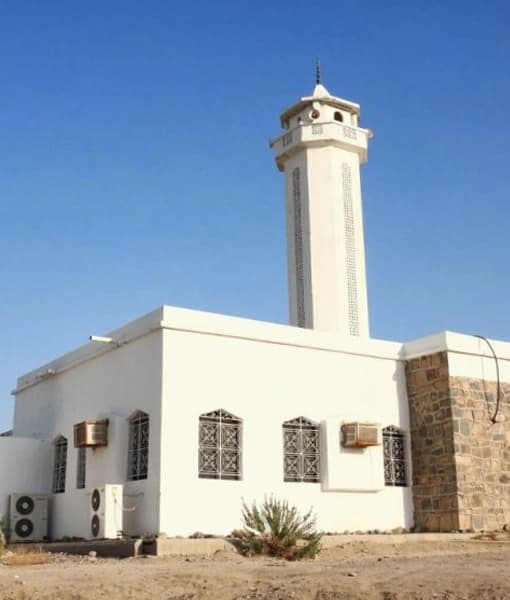
Gallery 1 Images
Site Information
About This Site
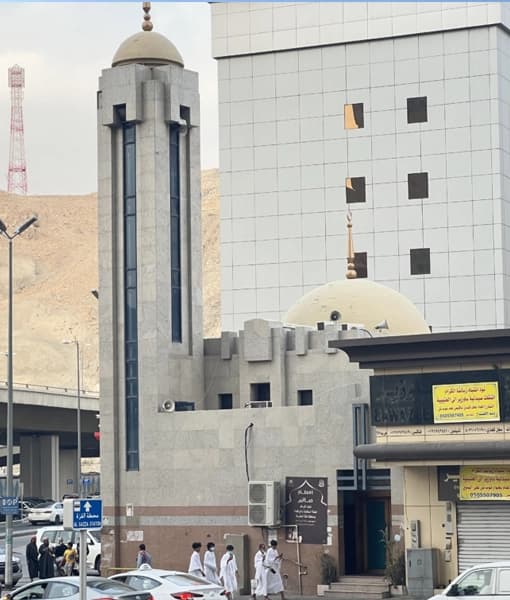
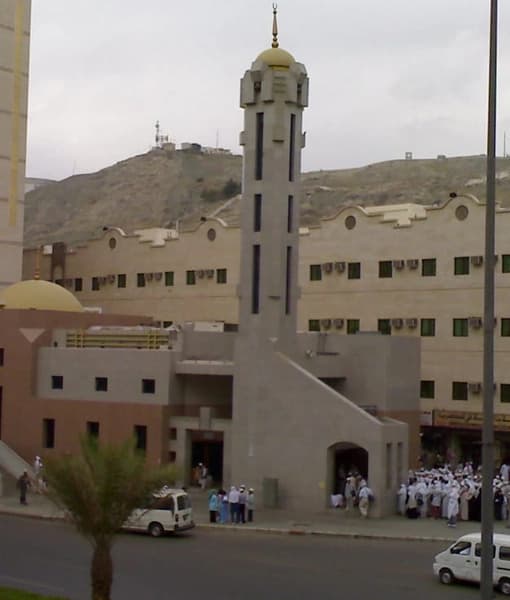
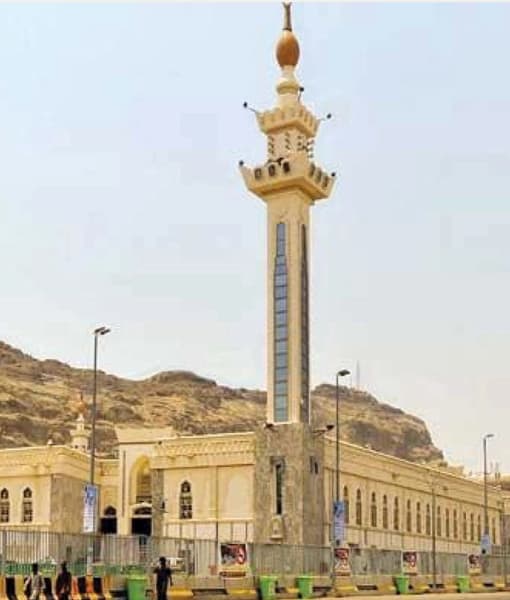
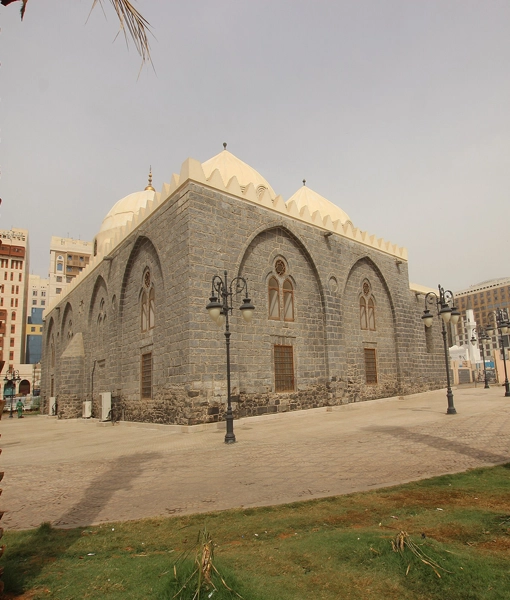
Masjid al-Ghamamah is one of the historic mosques of Madinah and is among the important landmarks associated with the life of Prophet Muhammad ﷺ. The mosque is located near Masjid an-Nabawi and is remembered as a place where the Prophet ﷺ performed the Eid...
Historical Significance
Masjid al-Ghamamah is one of the historic mosques of Madinah and is among the important landmarks associated with the life of Prophet Muhammad ﷺ. The mosque is located near Masjid an-Nabawi and is remembered as a place where the Prophet ﷺ performed the Eid prayers and offered the special prayer for rain (Salat al-Istisqa). Due to its connection with the Prophet ﷺ and the early Muslim community, it holds great historical and religious importance.
Historical Background
Masjid al-Ghamamah dates back to the time of Prophet Muhammad ﷺ. Historical accounts mention that the Prophet ﷺ led Eid prayers at this location outside the original boundaries of Masjid an-Nabawi. It is also reported that the Prophet ﷺ performed Salat al-Istisqa (the prayer seeking rainfall) here during a period of drought. The mosque received its name "Al-Ghamamah", meaning "the cloud", because according to historical traditions, a cloud appeared during the occasion when the Prophet ﷺ prayed for rain. Over different periods of Islamic history, the mosque was renovated and maintained by Muslim rulers to preserve its historical identity.
Islamic Significance
Masjid al-Ghamamah holds significance because of its association with the Sunnah of Prophet Muhammad ﷺ. The site reminds visitors of the importance of Eid prayers, gratitude towards Allah, and seeking Allah's mercy during difficult times. The mosque also represents the simplicity of early Islamic worship, where important religious gatherings were often conducted in open spaces outside the main mosque.
Present Status
Today, Masjid al-Ghamamah remains a preserved historical mosque in Madinah. The structure has undergone several renovations throughout history while maintaining its traditional architectural style. The mosque is located close to Masjid an-Nabawi and is visited by pilgrims and visitors exploring the historical sites of Madinah.
Location
Name: Masjid al-Ghamamah
City: Madinah
Area: Near Masjid an-Nabawi, in the historical central area of Madinah. The mosque is situated approximately a short walking distance from the Prophet's Mosque, making it easily accessible for visitors.
Visitor Information
Visitors can view the mosque as part of Madinah historical Ziyarat. It is recommended to maintain respectful behavior due to its historical connection with Prophet Muhammad ﷺ. Visitors should avoid treating historical locations as places of special rituals unless specifically established in Islamic teachings. Photography should be done while respecting local guidelines. The best time for visiting is usually during cooler hours of the day.
Interesting Facts
The mosque is known as one of the earliest Eid prayer locations in Madinah. The word "Ghamamah" means "cloud" in Arabic. It is associated with Salat al-Istisqa, the prayer for seeking rainfall. The mosque is part of the historical landscape surrounding Masjid an-Nabawi. It reflects the architectural heritage of old Madinah.
Masjid al-Ghamamah is one of the most meaningful historical mosques in Madinah because it is tied to prayer, mercy, and the lived Seerah of Prophet Muhammad ﷺThe mosque stands where the Noble Prophet ﷺ is remembered to have offered Eid prayer, rain-invoking prayer, and the funeral prayer in absentia for the Negus, the Christian king of Abyssinia who protected the early Muslims. The mosque’s name is linked to the word "ghamamah," meaning cloud. The name comes from the well-known memory that a cloud shaded the Prophet Muhammad ﷺ during prayer in this place. Whether a visitor first comes for history or for reflection, Masjid al-Ghamamah carries a calm dignity that fits its setting near the Prophet’s Mosque and within the heart of Madinah Ziyarat. A visitor should arrive with quiet respect and an open heart. This is not just one more stop on a list of historical places in Madinah. It is a place where the physical city and the memory of the Prophet ﷺ meet in a deeply human way: prayer in open ground, relief after hardship, and gratitude for a community that was being formed through worship and mercy. Historical Background The Site in the Life of Prophet Muhammad ﷺ Masjid al-Ghamamah is connected to the later Madinan life of Prophet Muhammad ﷺwhen prayer was offered in the open area outside the main mosque. The site is remembered especially for the Eid prayer and Istisqa prayer, meaning the special prayer for rain. These are not abstract memories; they show how the Prophet ﷺ led the community through worship in times of joy and need.
- It was part of the open prayer area used in Madinah.
- It is linked with Eid prayer, a major communal prayer in Islam.
- It is linked with Istisqa, the prayer for rain.
- It reflects the practical, living worship of the Seerah.
The Event, People, or Story Connected with the Site The best-known story connected with the mosque is the rain prayer. Madinah experienced dryness, and the Prophet Muhammad ﷺ prayed for rain at this place. The tradition remembers that relief came after that prayer, and the site’s name became tied to the cloud that shaded him. Another important memory is the funeral prayer in absentia for the Negus, who had welcomed the Muslims who migrated to Abyssinia.
- The place is linked to a prayer for rain during hardship.
- It is also linked to Eid prayer in Madinah.
- It is remembered for the funeral prayer in absentia for the Negus.
- The story connects worship, gratitude, and loyalty to those who helped early Muslims.
Historical Evidence and Islamic Sources The mosque is known through historical reports, later heritage records, and official Saudi tourism material. The strongest public sources agree on its connection to Eid prayer, Istisqa prayer, and the funeral prayer in absentia for the Negus, though the cloud story is presented as traditional memory rather than as a separate legal proof. That distinction matters in Ziyarat in Madinah, because it keeps respect tied to evidence.
- Official tourism material confirms the prayer-related significance.
- Heritage records place it in the early Islamic landscape of Madinah.
- The "cloud" name belongs to traditional remembrance.
- No special reward is claimed for visiting beyond historical reflection.
The Site Through the Centuries Masjid al-Ghamamah has been remembered for centuries as part of the prayer sites around the Prophet’s Mosque. Its present form reflects later building and preservation, while the original significance remains tied to the ground itself. The mosque today is part of the wider heritage story of Madinah, where old memory and modern city life continue side by side.
- The site was remembered as a prayer ground before later mosque building.
- The current structure is not the original open prayer space.
- It remains part of Islamic heritage in Madinah.
- Its meaning has survived through memory, architecture, and visitation.
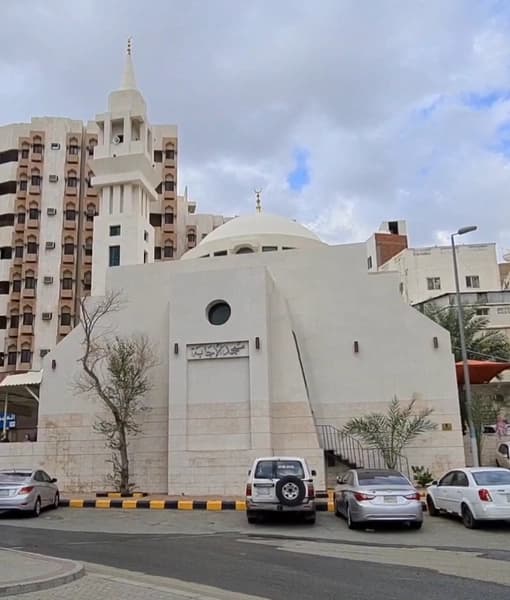
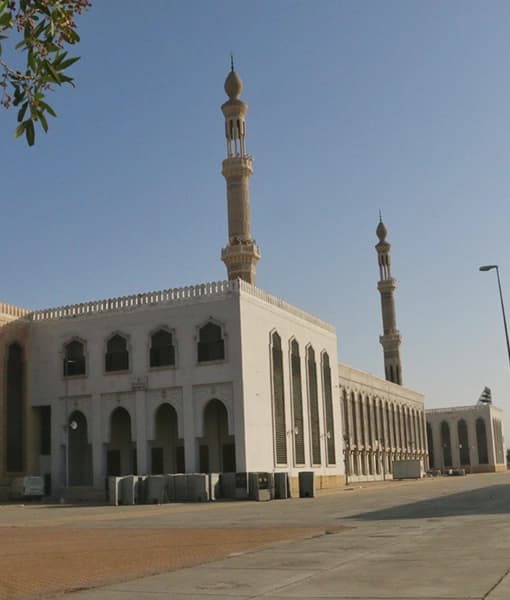
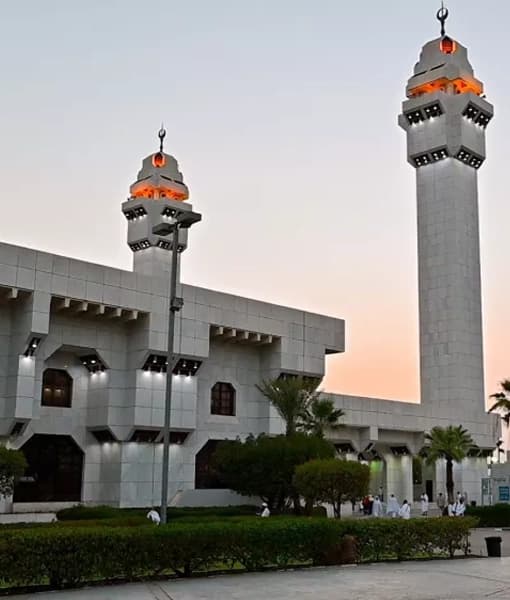
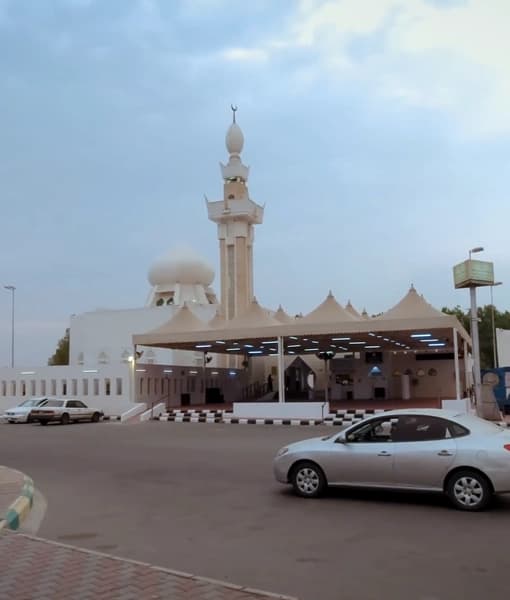
Site Today The Mosque in Its Setting Today, Masjid al-Ghamamah sits very close to Al-Masjid an-Nabawi and is easy to include in a Madinah Ziyarat route. Its location makes it one of the most practical historical mosques for visitors who are already in the central mosque area. The Mosque’s Appearance The mosque is modest in size, but it has a distinct historical presence. It is known more for what happened there than for grandeur, and that quietness suits its role as one of the historical places in Madinah tied to the Prophet Muhammad ﷺ. Visitor Experience Visitors usually come for a brief stop, reflection, and prayer when access allows. The experience is calm and simple, which helps the site feel personal rather than crowded with display. For many pilgrims, that simplicity is part of its beauty. Access and Etiquette The mosque is listed as open daily from 10:00 AM to 12:00 AM. A respectful visit means entering quietly, observing prayer etiquette, and remembering that this is a sacred place shaped by the Seerah and the early life of the Madinan Muslim community. Why It Still Matters Masjid al-Ghamamah still matters because it keeps a real scene from the life of Prophet Muhammad ﷺ present in the city of Madinah. It is a place where prayer was not hidden or private, but shared with the community in open ground, showing how faith in Islam was lived publicly with humility and order. It also matters because the stories attached to it are full of human meaning. The rain prayer speaks to need and relief. The Eid prayer speaks to joy and community. The funeral prayer for the Negus speaks to gratitude for a ruler who sheltered the first Muslims. Together, these memories give the site a gentle but deep place in Islamic history. For visitors, Masjid al-Ghamamah offers a chance to understand Madinah not only as a city of buildings, but as a city of memory. It helps the heart connect with the Prophet ﷺthe early believers, and the way worship shaped their lives. That is why this mosque remains meaningful for Ziyarat in Madinah today. Frequently Asked Questions 1. Why is Masjid al-Ghamamah called the Mosque of the Cloud? Its name comes from the traditional memory that a cloud shaded Prophet Muhammad ﷺ while he prayed there. 2. What is Masjid al-Ghamamah known for? It is known for Eid prayer, rain prayer, and the funeral prayer in absentia for the Negus. 3. Is Masjid al-Ghamamah close to Masjid an-Nabawi? Yes. It is about 200 meters southwest of Al-Masjid an-Nabawi