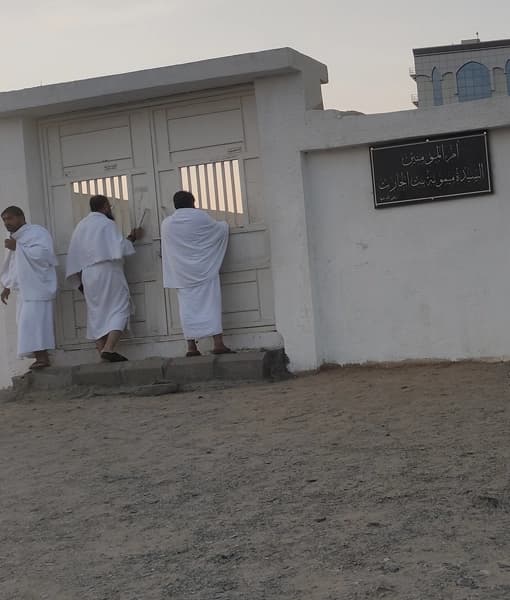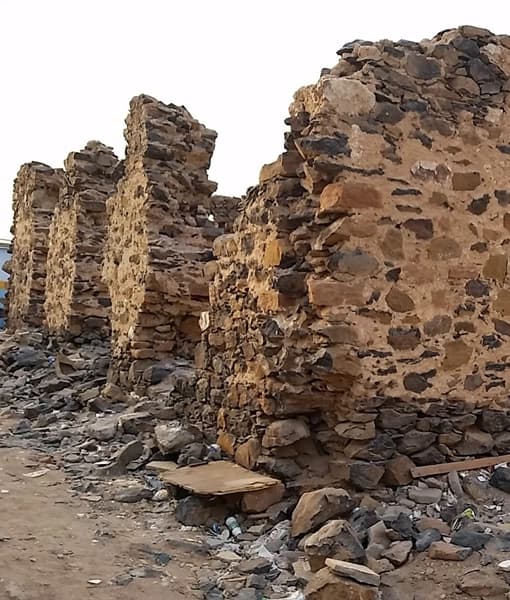
Gallery 1 Images
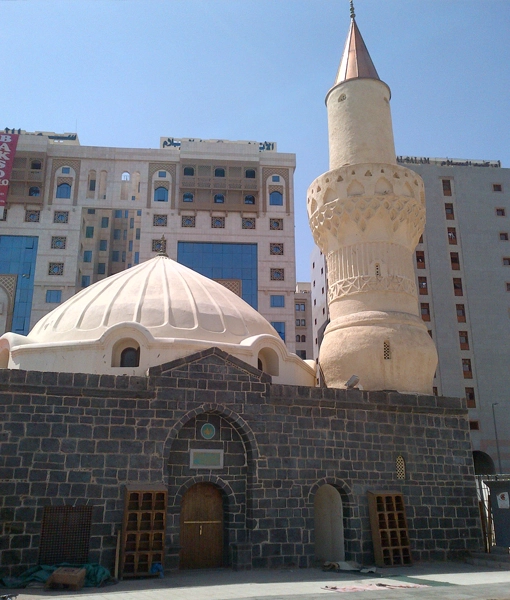
Site Information
About This Site
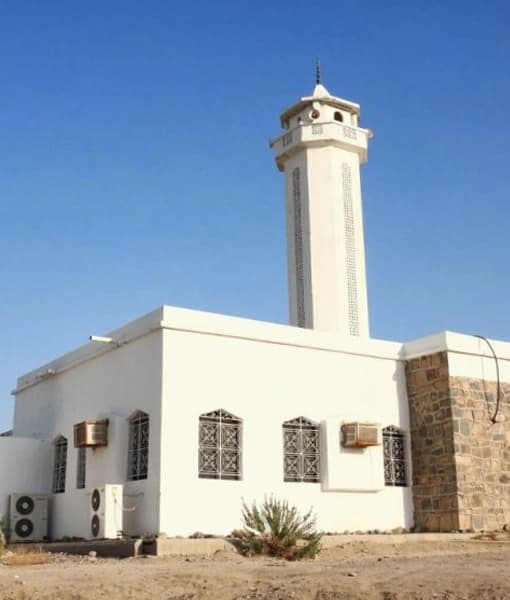
Masjid Abu Bakr Al-Siddiq (R.A.) is a historic mosque in Madinah associated with the first Caliph of Islam, Abu Bakr Al-Siddiq (R.A.). It is located near Masjid al-Ghamamah and is part of the group of historical mosques situated around the area where Eid...
Historical Significance
Masjid Abu Bakr Al-Siddiq (R.A.) is a historic mosque in Madinah associated with the first Caliph of Islam, Abu Bakr Al-Siddiq (R.A.). It is located near Masjid al-Ghamamah and is part of the group of historical mosques situated around the area where Eid prayers were performed during the time of Prophet Muhammad ﷺ.
Historical Background
The mosque is connected with Abu Bakr Al-Siddiq (R.A.), one of the closest companions of Prophet Muhammad ﷺ and the first Caliph after him. Historical traditions associate this area with Abu Bakr (R.A.), particularly during the early Islamic period when he was among the leading figures of the Muslim community. The mosque was later constructed and preserved as a historical landmark to honor his connection with Madinah and Islamic history.
Islamic Significance
Abu Bakr Al-Siddiq (R.A.) holds a special position in Islamic history as the closest companion of Prophet Muhammad ﷺ and the first rightly guided Caliph. This mosque serves as a reminder of his dedication, leadership, sacrifice, and role in protecting and spreading Islam after the Prophet's ﷺ passing.
Present Status
Masjid Abu Bakr Al-Siddiq (R.A.) remains a preserved historical mosque in Madinah. It is located close to other important historical mosques and is commonly included in Madinah Ziyarat tours. The mosque represents the heritage of the early Islamic era and continues to attract visitors interested in Islamic history.
Location
Name: Masjid Abu Bakr Al-Siddiq (R.A.)
City: Madinah
Area: Near Masjid al-Ghamamah and Masjid an-Nabawi. The mosque is located within the historical area surrounding the Prophet's Mosque.
Visitor Information
Accessible for visitors exploring historical sites of Madinah. Visitors should maintain respect due to the connection with a great Companion of Prophet Muhammad ﷺ. No specific religious acts are prescribed specifically for this location. Visiting is usually combined with nearby historical mosques.
Interesting Facts
The mosque is named after Abu Bakr Al-Siddiq (R.A.), the first Caliph of Islam. It is located among the historic mosques near Masjid an-Nabawi. Abu Bakr (R.A.) was known for his close companionship with Prophet Muhammad ﷺ. The mosque highlights the importance of preserving Islamic heritage sites.
Masjid Abu Bakr al-Siddiq is one of the well-known historical mosques in Madinah, valued for its link to the early prayer life of Prophet Muhammad ﷺ and the memory of Abu Bakr al-Siddiq رضي الله عنهThe mosque stands in a part of the city that preserves the atmosphere of the Prophet’s ﷺ Madinan worship, where open prayer grounds later became part of the city’s sacred heritage. The site is remembered because the Prophet Muhammad ﷺ is reported to have prayed Eid there, and Abu Bakr al-Siddiq رضي الله عنه later continued that practice during his caliphate. That connection gives the mosque its name and its meaning. It is not a large or grand structure, but it carries the quiet dignity of a place shaped by continuity, worship, and the living memory of the first Muslim community. For a visitor, the mosque is a reminder that Islamic history is not only found in major battles or famous speeches. It is also found in the places where the Prophet ﷺ prayed, where the Companions رضي الله عنهم carried forward his practice, and where the city of Madinah still remembers those first moments of communal worship with care and respect. Historical Background The Site in the Life of Prophet Muhammad ﷺ This mosque is tied to the Prophet’s ﷺ practice of Eid prayer in Madinah. The open prayer ground in this area was used for communal worship, and the memory of the Prophet Muhammad ﷺ praying here is what gave the place its historical weight. Later, that same prayer tradition became associated with Abu Bakr al-Siddiq رضي الله عنه.
- The area was part of Madinah’s open prayer ground.
- It is linked to the Prophet’s ﷺ Eid prayer.
- It later became associated with Abu Bakr al-Siddiq رضي الله عنه.
- It reflects the early shape of communal worship in Madinah.
The Event, People, or Story Connected with the Site The story of the mosque is a story of continuity. After the passing of Prophet Muhammad ﷺAbu Bakr al-Siddiq رضي الله عنه led the Muslim community and continued the practice of offering Eid prayer in the same general prayer area. That act of following the Prophet’s ﷺ way gave the site its lasting identity.
- The mosque is connected to Eid prayer in Madinah.
- Abu Bakr al-Siddiq رضي الله عنه continued the practice after the Prophet
ﷺ.
- The site reflects the handover of communal life in early Islam.
- Its meaning lies in practice, memory, and respect for the Sunnah.
Historical Evidence and Islamic Sources The mosque is known through historical tradition, Saudi heritage writing, and later descriptions of Madinah’s sacred sites. The strongest reports agree on its association with Eid prayer and Abu Bakr al-Siddiq رضي الله عنهwhile some later accounts also link the wider area to the Prophet’s ﷺ prayer ground. It is best understood as a historically remembered site rather than a place with a separate legal virtue.
- The historical link is tied to prayer tradition.
- The name comes from Abu Bakr al-Siddiq رضي الله عنه.
- The site belongs to Madinah’s early prayer landscape.
- Its importance is historical, not based on a special ritual reward.
The Site Through the Centuries Over time, the old open prayer ground changed as Madinah grew around it. The mosque now marks a remembered part of the city rather than preserving the original open space in its old form. That change is natural in Madinah, where many historic places have been woven into the city’s living fabric.
- The original setting was open ground, not a large enclosed mosque.
- The city around it developed over centuries.
- The present mosque preserves memory more than original form.
- The site remains part of Islamic heritage in Madinah.
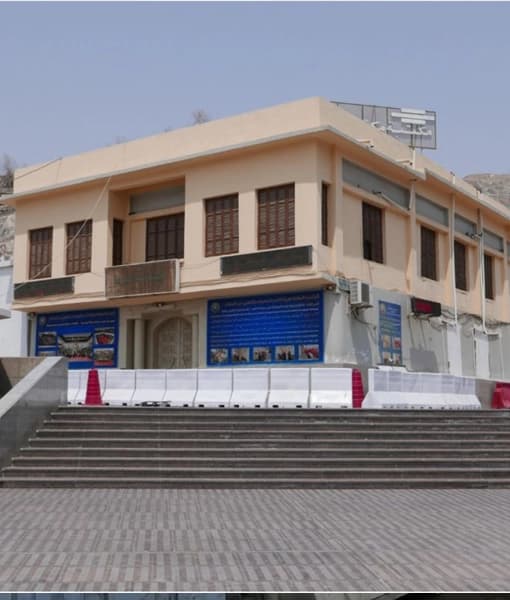
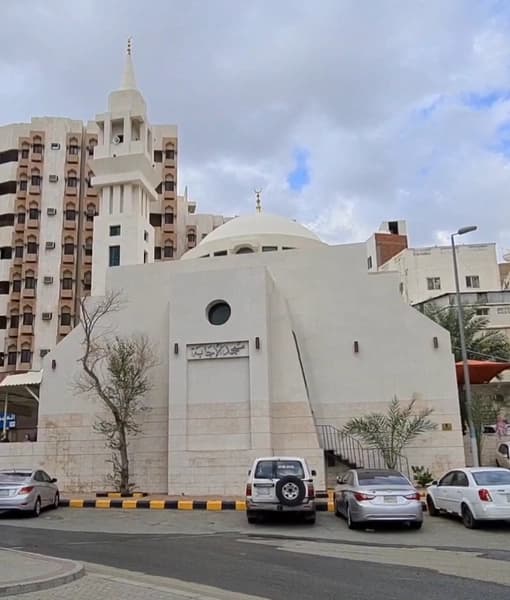
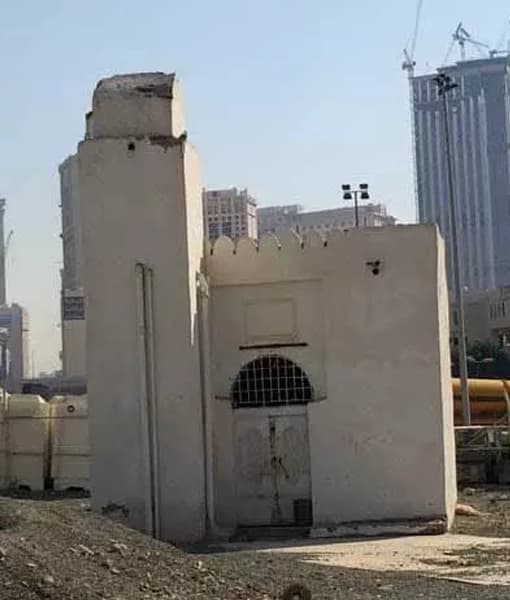
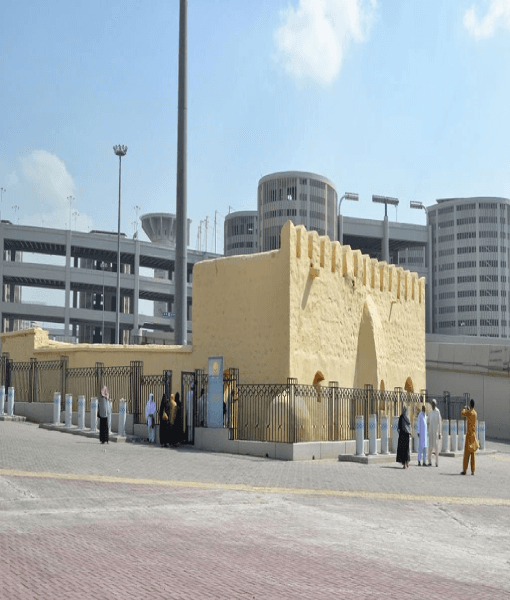
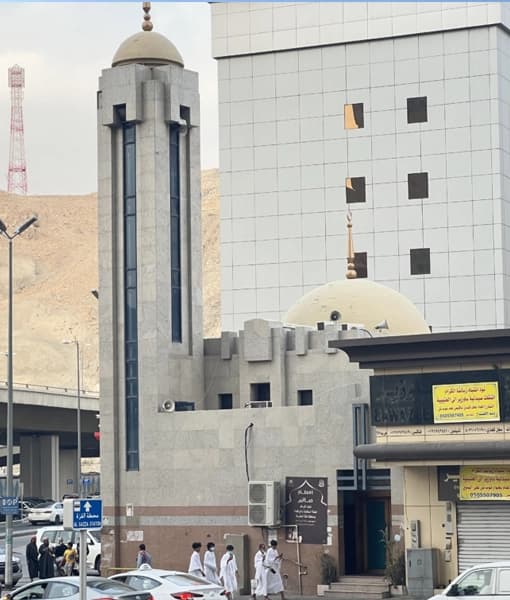
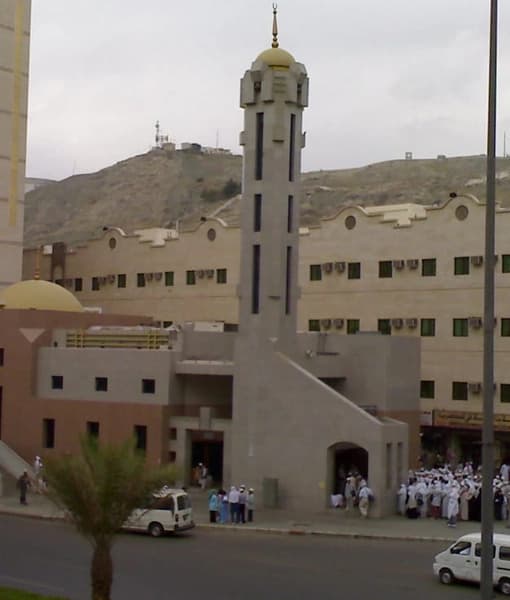
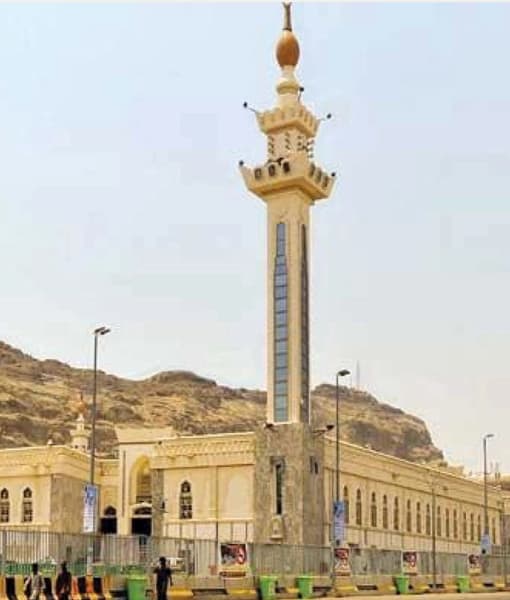
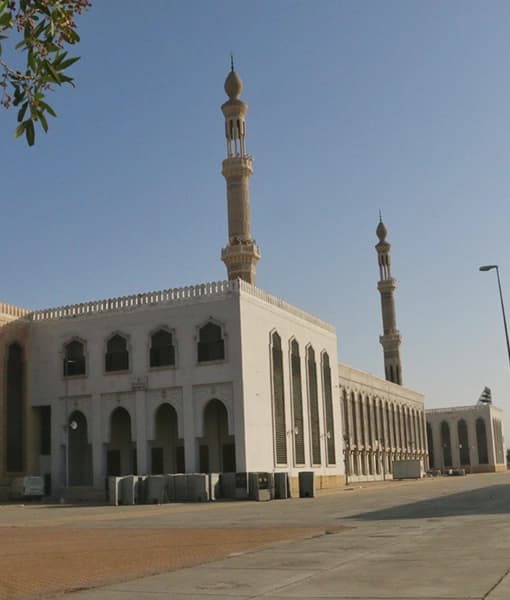
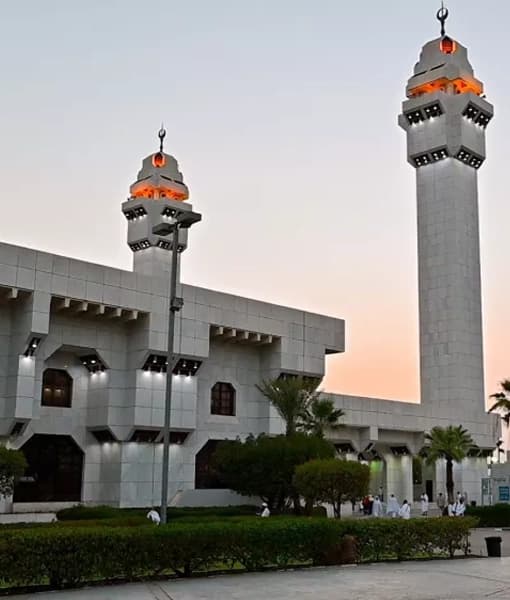
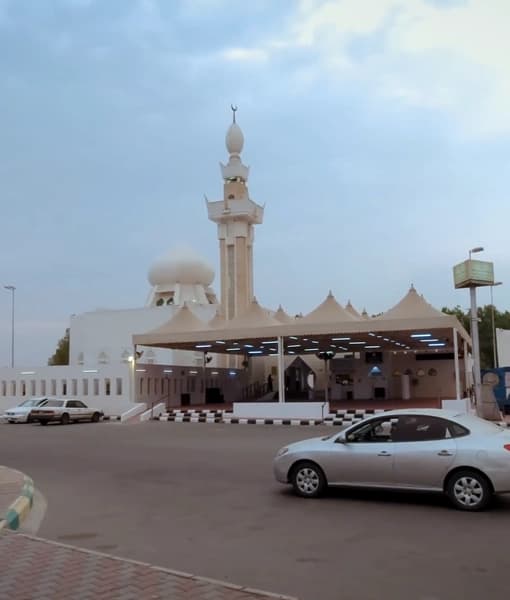
Site Today The Mosque and Its Setting Today, Masjid Abu Bakr al-Siddiq sits close to the Prophet’s Mosque in a central and walkable part of Madinah. Visitors often include it in a short "Madinah Ziyarat" route with other nearby historical mosques. The Mosque’s Appearance The mosque is modest in size and simple in appearance. That simplicity suits its character, because its importance comes from what it remembers, not from elaborate design. It feels like a quiet witness to Madinah’s earliest worship. Visitor Experience A visitor will usually find a calm, small mosque rather than a busy landmark. It is best approached with patience and a reflective mind, especially by those who want to understand "Islamic history" through real places rather than names alone. Respect and Adab As with all historical mosques in Madinah, the right way to visit is with adab, meaning respectful Islamic conduct. Quiet speech, clean dress, and a thoughtful heart help keep the visit focused on reverence rather than sightseeing alone. Why It Still Matters Masjid Abu Bakr al-Siddiq still matters because it connects the life of Prophet Muhammad ﷺ with the leadership of Abu Bakr al-Siddiq رضي الله عنه in a very direct way. It shows how early Islam was carried forward not only through major events, but also through repeated acts of worship that gave stability to the Muslim community. It also matters because it reminds visitors that Madinah was built through practice as much as memory. A prayer ground became a mosque, and a mosque became a place where the city’s early Islamic story is still felt. That kind of continuity gives the site a gentle but lasting importance in "Ziyarat in Madinah" and in the wider story of "Seerah." For visitors today, the mosque offers a quiet lesson. The Companions رضي عنهم did not only preserve the message of Islam through words; they preserved its habits, its prayer life, and its sense of community. Masjid Abu Bakr al-Siddiq keeps that memory alive in a simple, sincere way. Frequently Asked Questions 1. Why is Masjid Abu Bakr al-Siddiq important? It is linked to the Prophet’s ﷺ Eid prayer and to Abu Bakr al-Siddiq رضي الله عنه continuing that practice in Madinah. 2. Where is Masjid Abu Bakr al-Siddiq located? It is in central Madinah, near the southwestern side of "Al-Masjid an-Nabawi." 3. Is Masjid Abu Bakr al-Siddiq a large historic mosque? No, it is a modest mosque, but its historical value comes from the prayer tradition connected to it.